




17 Signs Relationship Is Failing (and How to Save It)

Reviewed By
Mert Şeker, Psychologist
 Review Board Member
|
By
Psychologist
Review Board MemberMert's childhood dream was to become a psychologist, and his aim in life is to help people by understanding and accepting them without judgment. Knowing the basics and causes... Read More
Rachael Pace, Author

Rachael Pace inspires with motivational articles on loving partnerships. She encourages making room for love and facing challenges together.
Learn about Our Editorial Process
23.3k Reads
Updated: 3 Apr, 2026

Heal & Grow Daily for a Happier Relationship
Subscribe FREETable of Contents
View more
Key Takeaways
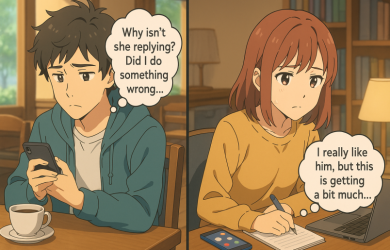
Relationships rarely fall apart overnight. More often, they decline gradually, through small misunderstandings, unspoken frustrations, and emotional distance that builds over time.
You might notice fewer meaningful conversations, more frequent arguments, or a growing sense that something simply feels “off.” When this happens, many people begin wondering:
Is my relationship going through a rough patch… or actually falling apart?
Psychologist Mert Şeker explains that relationships often deteriorate when emotional needs go unmet over time. If a partner feels their need for emotional support and love is unmet, the relationship may gradually weaken. Stressful life events, financial pressure, and lack of communication can accelerate this process.
Below are 17 signs a relationship is failing, plus practical steps you can take to address common relationship problems and decide when to break up if things don’t improve. In many cases, identifying these warning signals early can help couples repair emotional connection, improve communication, and rebuild trust.
RELATED QUIZ : Is Your Relationship Falling Apart Quiz
Quick reality check: Is your relationship showing warning signs?
Relationships don’t usually fail suddenly. Instead, they often show repeated patterns of disconnection, unresolved conflict, or emotional distance.
Ask yourself honestly:
- Do conversations with your partner feel forced or superficial?
- Do small disagreements quickly turn into major arguments?
- Do you feel emotionally unsupported or unheard?
- Has affection or intimacy noticeably decreased?
- Do you spend less meaningful time together than before?
These unhealthy relationship signs don’t guarantee a breakup, but they do signal patterns worth addressing.
Experiencing one of these occasionally is normal. However, if several of these patterns happen consistently, it may indicate deeper relationship issues that need attention.
Why do relationships fail?
There can be many reasons why relationships fail, including lack of trust, different goals and expectations, and compatibility issues. Regardless of the reason, the first step is to narrow down the cause of the problem and see how you can salvage the situation.
However, you need to prepare your mind that your effort may prove fruitful or not. The end of a relationship seems scary, but it is a part of life we sometimes have to come to terms with.
RELATED READING : 15 Compelling Reasons Why Rebound Relationships Fail
17 signs your relationship is failing (and what you can do next)
Common signs of a failing relationship include communication breakdown, emotional distance, lack of intimacy, loss of trust, and reduced effort from one or both partners.
Below are 17 warning signs your relationship is failing to watch for and practical ways to address them.
These signs usually appear across a few key areas of a relationship: communication breakdown, emotional disconnection, loss of intimacy, trust issues, and relationship stagnation.
Communication breakdown
Communication issues are often the earliest warning signs of a struggling relationship. When couples stop sharing openly or begin handling disagreements poorly, emotional distance tends to grow quickly.
Research suggests that communication issues are one of the most common causes of relationship breakdown, highlighting how unresolved conflict and emotional neglect can gradually weaken a partnership.
Many failing relationships show patterns of either constant conflict or complete avoidance of difficult conversations.
1. No communication
Excellent communication involves having a deep talk about each other’s feelings, experiences, and day-to-day activities. You should give your partner full attention and effectively communicate your thoughts and ideas without holding anything back.
Communication clears all doubts and leaves no room for assumptions. If you don’t converse with your partner often, it is one of the signs that a relationship is failing.
- What you can do:
Start by creating space for an honest conversation. You might say something like, “I feel like we haven’t been talking as much lately, and I’d really like us to reconnect.”
Using “I feel” statements instead of accusations helps your partner stay open rather than defensive.
Psychologist Mert Şeker explains,
There are several effective activities and strategies to increase communication in a relationship. First of all, taking time off on a regular basis is one of the cornerstones of a relationship. Common interests and hobbies can increase communication by creating common denominators. At the same time, using technology in a controlled way supports face-to-face communication, while making the partner feel that you are there during difficult times.
RELATED READING : 10 Effective Communication Skills in Relationships
2. You fight all the time
Fighting in a relationship can be a sign of a healthy relationship. The problem comes when the fight turns into hatred, extended breaks, and hurtful words.
If your fights involve exchanging hurtful words and disrespecting each other over the slightest thing, it is one of the potential signs a relationship will fail. Hence, making a relationship work will take a lot of work.
- What you can do:
Instead of trying to “win” the argument, focus on understanding what triggers the conflict.
You could say, “When we argue about this topic, it escalates quickly. Can we figure out what keeps causing it?”
RELATED READING : 15+ Effective Ways to Stop Constant Fighting in a Relationship
3. Running from a fight
Avoiding fights is one of the reasons why relationships fail. It means that you both don’t care about each other. We grew up knowing that fighting was a negative thing. Hence, we tend to avoid them, thinking they will strengthen our relationship.
Fights are inevitable, so you should look for ways to manage rather than avoid them. If not, it is one of the signs your relationship is failing.
- What you can do:
Avoiding conflict often allows resentment to build. Try revisiting the issue once emotions settle and talk about what triggered the disagreement.
For instance, if your partner is a vegan and you are not. The best way to ensure everyone gets their desired meal is to look for ways. It can take as little as labeling meal containers to avoid confusion.

Emotional disconnection
Healthy relationships rely on feeling heard, valued, and emotionally supported. When partners stop validating each other’s feelings or begin withdrawing emotionally, the relationship can slowly lose its sense of partnership.
These signs often indicate that emotional intimacy is weakening.
4. Your partner disregards feelings
Sometimes, frequent communication in a relationship does not guarantee a perfect relationship. If your partner disregards your feelings when you discuss specific topics with them, it is one of the signs of a failing relationship.
What you can do:
If you feel your emotions are being dismissed, explain what support looks like for you.
For example: “Sometimes I just need you to listen instead of trying to fix the problem.”
5. Not planning together
When couples don’t plan together, it can mean they don’t value or respect each other enough. It does not necessarily have to be big plans for the future. Planning date nights together, for example, can strengthen a relationship.
What you can do:
See your partner as an equal contributor to the relationship. Mere telling your partner about your weekend plan can make them feel respected and valued.
6. It feels like you are bugging your partner
The relationship is in trouble when your partner makes you feel like you are a burden or disturbing them. This situation usually occurs when the other person is tired of the relationship or has problems.
What you can do:
When your partner makes you feel like a disturbance, it may be because they are facing some challenges. Try your best to make them talk about it. It might be time to leave the relationship if nothing comes out of it.
7. Distancing
When you find yourself avoiding your partner every time, it can be one of the signs of a failing relationship.
You may still live in the same house and perform activities together. But when you don’t feel any connection toward your partner or avoid talking with them, you may start thinking of a way out.
What you can do:
Writing a shared journal and deliberately trying to sit and talk to each other will help. You can also set a digital-free time where both are away from phones and other electronic media and only spend time interacting together.
Loss of intimacy and attraction
Intimacy includes physical affection, emotional closeness, and romantic connection. While it is normal for passion to fluctuate over time, a prolonged loss of intimacy may signal deeper relationship problems.
When couples stop feeling affectionate or emotionally connected, the relationship may start feeling more like coexistence than partnership.
8. No affection
Affection is what makes a relationship what it is. At some point in the relationship, the emotion and passion you feel for each other will dwindle due to other commitments you may have. However, when the thought of your partner’s touch irritates you, it means your relationship is in trouble.
What you can do:
Have a deep discussion with your partner about how you feel. Talk about the last time you both had fun and find a way to reawaken such moments.
RELATED READING : How Much Affection Is Normal in a Relationship?
9. Loss of intimacy
Intimacy is an essential aspect of a healthy relationship. It includes emotional, physical, and sexual closeness.
When there is a loss of intimacy, it can be one of the signs that your relationship is failing. This can manifest as a lack of connection, a decrease in affection, or a decline in sexual intimacy.
What you can do:
Initiate open and honest conversations about your feelings and desires with your partner. Discuss any issues or concerns surrounding intimacy and find ways to reconnect and reignite the spark in your relationship. It may also be beneficial to seek professional help from a therapist or counselor specializing in relationships.
If you recognize yourself in several of these patterns, that awareness is already meaningful. The save my marriage course can help you turn that recognition into real, practical steps toward reconnection, before the distance becomes harder to close.
10. You are attracted to another person
It is normal to admire other people in a relationship. Once you start fantasizing about them and seeing a relationship with them, that is one of the signs that your relationship is failing.
What you can do:
Redirect your feelings to your partner and think about all the good memories you both have built.
Trust and safety issues
Trust is the foundation of long-term relationship stability. When trust breaks down or safety becomes compromised, the relationship may experience severe strain.
These signs often require deeper repair efforts or professional support.
11. Lack of trust
Trust is integral to a happy and fulfilling relationship. It contributes to the growth and peace of a relationship. So you may ask, how to know if your relationship is failing? When a relationship lacks trust, it is one of the signs that your relationship is failing.
Lack of trust makes you doubt your partner, leading to you keeping information from them. Lack of trust has factors like poor emotional support, compatibility, dependability, etc., and is a reason for relationship breakdown.
What you can do:
When broken, trust can be challenging to fix. Nevertheless, you can discuss it with your partner and tell them you are committed to the relationship. Also, you can make a relationship work by being loyal and always keeping your promises and words.
RELATED READING : 15 Reasons for Lack of Trust in a Relationship
12. Abusive relationship
An abusive relationship is a major red flag in a relationship. Many individuals excuse their partner’s toxic behavior with passion and love. Some of the symptoms include physical altercation, stalking, and manipulation. If you notice any of these signs, it is one of the signs that your relationship is failing.
Important: If your relationship involves physical violence, emotional manipulation, threats, or controlling behavior, your safety should always come first. In such situations, focusing on leaving safely and seeking professional support may be more important than trying to repair the relationship.
What you can do:
Long-term counseling and therapy are some of the solutions to an abusive relationship. In some situations, it is best to leave the relationship.
RELATED READING : How to Fix an Abusive Relationship
13. Your partner finds it hard to change
No matter how perfect you are, you will have weaknesses that reveal themselves once you feel relaxed in a relationship.
Some of them may be as minor as farting indiscriminately or leaving clothes around. If these actions affect your behavior toward your partner, it is a sign that your relationship is failing.
What you can do:
Your partner may not realize some of these behaviors. Instead of grumbling, it would be best to communicate with your partner and let them know how you feel about the attitude.
Relationship stagnation
Over time, relationships can become stagnant if couples stop nurturing the connection. When routines replace emotional engagement, partners may begin to feel bored, unsupported, or disconnected.
These signs often indicate that the relationship needs renewed effort and intentional time together.
14. Your relationship is boring
The activities you both participate in make a relationship exciting and fun. These include going out for movies, dates, and having a casual walk in the neighborhood. When you stop doing these activities, it means you cannot make your relationship work.
What you can do:
Rejuvenate the relationship by creating new memories together. It could be as little as a pillow fight or visiting a new country together. Also, you can talk and share memories.
Psychologist Mert Şeker states,
Planning exciting activities together, such as hiking, mountain climbing, and sea canoeing, allows you to have new experiences together. For example, attending dance classes together can add fun while increasing physical intimacy. The important thing is to choose the activities you are interested in with your partner and create opportunities to strengthen your emotional bond with each other.
RELATED READING : How Do You Spice up a Boring Relationship
15. Lack of support and encouragement
A relationship should be a source of support and encouragement for both partners. If you feel like your partner is not there for you when you need them or are not supportive of your goals and aspirations, it could be a sign that your relationship is failing.
A lack of support and encouragement can lead to feelings of resentment and dissatisfaction.
What you can do:
Communicate your needs and aspirations to your partner and express how important their support is to you. Encourage open and honest discussions about each other’s dreams and find ways to support and uplift each other.
16. You don’t create time for each other
You can only know your partner more when you spend quality time together. Spending time together helps to strengthen the relationship and provides more chances for improvement.
If you don’t do this often or your partner avoids every means of meeting together, it can be one of the signs that your relationship is failing. Hence, you will find it hard to make the relationship work.
What you can do:
Take your time to determine the cause of this. It could be that your partner is busy or the stress of working is getting to them. Understand this and make a conscious effort to create time, no matter how small.
RELATED READING : Making Time For You And Your Spouse
17. You find it hard to forgive
Contrary to the lovey-dovey moments in a relationship, your partner can offend and hurt you. It may be intentional or not, but these are parts of the relationship. If you find it hard to forgive your partner, you may be breeding hatred, eventually leading to a relationship failing.
What you can do:
Forgiveness after disputes will save your relationship and allow you to move on. It will also eliminate any suppressed grievances. It may be challenging, but forgiveness is an ingredient of a healthy relationship.
RELATED READING : The Significance and Importance of Forgiveness in a Marriage
Remember, these signs are not definitive proof of a failing relationship but rather indicators that there may be areas of concern. Addressing these issues and working with your partner to improve your relationship is essential.
What are the reasons for failing relationships?
Regarding why relationships fail, there is no single answer to it. Common relationship problems like poor communication, mismatched expectations, and unresolved resentment can slowly erode trust over time.
Other causes of failed relationships can include financial problems, unrealistic expectations, lack of emotional support, and absence of effort to maintain and nurture the relationship. Addressing these issues through open communication and mutual efforts can help sustain a healthy relationship.
When to work on a relationship vs when it may be time to leave
Every relationship faces difficult periods, but not all relationships can—or should—be repaired.
You may consider working on the relationship if:
- Both partners are willing to communicate openly
- There is mutual respect and emotional safety
- Problems are acknowledged and addressed together
If those points describe where you and your partner are right now, the save my marriage online course can give you both a guided, structured way to put that willingness into action.
However, leaving the relationship may be healthier if:
- There is repeated abuse or manipulation
- Trust has been repeatedly broken without accountability
- One partner is unwilling to work on the issues
Some issues can be repaired with effort and support. Others, like repeated abuse, manipulation, or chronic disrespect, may be signs it’s time to consider when to break up. Understanding this difference can help you make decisions that prioritize both emotional health and personal safety.
If you are still confused about whether you should stay or leave a relationship, watch this video to gain some clarity:

FAQs
Managing relationships can be challenging, and having questions when facing difficulties is common. The following section will address some common concerns about failing relationships.
-
Can a failing relationship be saved?
Yes, a failing relationship can be saved, but it requires effort from both partners. Open communication, addressing underlying issues, seeking professional help, and a willingness to work on the relationship are essential.
-
Is it normal to feel hopeless in a failing relationship?
Feeling hopeless is a common response in a failing relationship. However, with a proactive approach, determination, and support from professionals or loved ones, hope can be restored and the relationship improved.
-
Are there instances where ending the relationship is the best option?
Yes, ending a relationship can be the best option if there is ongoing toxicity, emotional or physical abuse, infidelity, or if both partners have lost their connection and are unwilling to work on it.
Important: If your relationship involves physical harm, emotional manipulation, threats, or controlling behavior, the priority should be your safety – not fixing the relationship.
In such situations, seeking help from a trusted friend, counselor, or domestic violence support service can be an important step toward protecting your well-being. No one deserves to remain in an unsafe or abusive relationship.
-
Can a failed relationship work again?
While it’s possible for a failed relationship to work again, it heavily depends on the reasons for the breakup, willingness to address past issues, genuine remorse, and a commitment to rebuilding trust.
-
Why do most relationships fail?
Several reasons contribute to relationship failures, such as poor communication, lack of trust, unresolved conflicts, incompatibility, emotional neglect, loss of intimacy, external pressures, or changing priorities and goals. Each relationship is unique so the factors may vary.
Final note
Healthy relationships require effort, communication, and emotional support from both partners. Recognizing early warning signs does not mean the relationship is doomed, but it does provide an opportunity to address problems before they deepen.
In many cases, honest conversations, renewed effort, and professional guidance can help couples reconnect.
However, if patterns such as abuse, chronic disrespect, or emotional neglect continue despite repeated efforts, it may be healthier to reconsider whether the relationship is meeting your needs.
Understanding the difference between a temporary rough patch and a deeply unhealthy dynamic can help you make decisions that protect both your emotional well-being and your future.
Helpful?
Continue exploring this topic

Marriage.com AI: Your Relationship Guide
Talk through what's on your mind.
Automated
YOU COULD START WITH
Share this article on
Rachael Pace
Author
Rachael Pace is a noted relationship writer associated with Marriage.com. She provides inspiration, support, and empowerment in the form of motivational articles and essays. Rachael enjoys studying the evolution of loving partnerships... Read more and is passionate about writing on them. She believes that everyone should make room for love in their lives and encourages couples to work on overcoming their challenges together. Read less

Marriage.com Community
Real people. Real relationships. No judgment.
Is it possible to save a relationship when resentment has been building for years?
Have you navigated this in your own relationship?
Your perspective could help thousands of couples.
See what people are saying
Your perspective could help thousands of couples.


Recent Articles



Related Quizzes







 We'd love your feedback!
 Thanks for your feedback!