




Why Do Married Men Cheat: 13 Possible Reasons & Ways to Cope

Reviewed By
Maggie Martinez, LCSW
 Review Board Member
|
By
Licensed Clinical Social Worker
Review Board MemberMaggie enthusiastically works with people to foster self-determination and encourages them to grow in a safe therapeutic environment. She has a background in psychology and... Read More
Sylvia Smith, Author

Sylvia Smith shares insights on love revitalization and conscious living. She believes purposeful actions can transform relationships into happier, healthier ones.
Learn about Our Editorial Process
16.5k Reads
Updated: 9 Jan, 2026
Heal & Grow Daily for a Happier Relationship
Subscribe FREETable of Contents
View more
Key Takeaways
Marriage.com AI Quick Summary
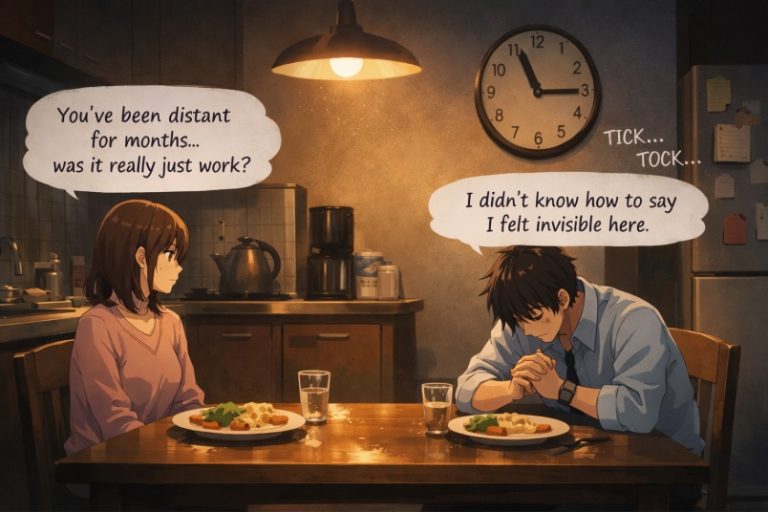
Infidelity can land quietly, or all at once. One strange message, a growing distance, a feeling you can’t quite name… and suddenly everything feels less certain. When a married man cheats, the shock isn’t just about betrayal; it’s about confusion, self-doubt, and the ache of wondering what changed.
Was it loneliness, temptation, resentment, or something left unsaid for too long?
People often ask, almost in a whisper, “Why do married men cheat?” hoping the answer will make the pain feel more manageable.
The truth is rarely simple. Desire, insecurity, unmet emotional needs, and personal struggles can intertwine in complicated ways. And while the hurt is real, so is the need to understand, to steady yourself, and to figure out what comes next… with honesty, compassion, and care.
What does cheating mean in a marriage?
Cheating in a marriage isn’t always as simple as a physical affair. Sometimes, it’s secrecy, emotional closeness with someone else, or choosing another person over your partner again and again. It’s the breaking of trust, spoken or unspoken; the quiet crossing of boundaries that once felt safe.
For some, it’s messages deleted, feelings hidden, or intimacy redirected elsewhere. For others, it’s a deep-seated sense of betrayal that lingers long after the truth is revealed.
What makes it hurt so much?
The loss of honesty, security, and the belief that “we’re in this together”… and that’s often the hardest part.
13 reasons why happily married men cheat
Why a happily married man cheats is a question that has no clear answer. While men can cheat because they’re unhappy, there are other reasons why a man would cheat, and it’s not always the same for everyone.
So, we’ve compiled 13 possible reasons why men cheat and why a happy husband would resort to infidelity. However, remember that although these might be reasons why they cheat, understanding does not serve as an excuse for their conduct or justify their actions.

Join millions building healthier, happier relationships.
 Subscribe
1. Lack of needs being met
What usually causes problems in marriage is when a person’s needs in a relationship aren’t fully met. They could be happy with their partner overall, but still feel a sense of dissatisfaction.
He may be unable to fully resolve this and have his needs met in a healthy manner, so he can decide to look for it in someone else.
- Look out for: Emotional withdrawal, vague dissatisfaction without clear communication, frequent mentions of “something missing,” or avoidance of deeper conversations about emotional or physical needs.
RELATED READING : 11 Things to Do When Your Emotional Needs Aren’t Being Met
2. Poor personal boundaries
Why do happily married men cheat? Sometimes, not of their own volition.
Not having any limits in relationships or with other people regarding what behavior would be acceptable or unacceptable may increase the chances of men being involved in affairs.
According to marriage & family therapist Jelisha Gatling:
If your husband is a people pleaser or a “yes” person, he is more vulnerable to finding himself in an affair.
These tendencies are typically enacted within the marriage, where your partner agrees to things only to not follow through on them later. This usually goes hand-in-hand with being conflict-avoidant and is a potential sign that your marriage is at risk for an affair.
If your husband is overly compliant and has difficulty saying “no,” he might find himself in an affair even if he may not have wanted one in the first place.
- Look out for: Overly friendly interactions, difficulty setting limits with others, excessive emotional availability to people outside the marriage, or discomfort asserting boundaries when situations feel inappropriate.
RELATED READING : 10 Personal Boundaries You Need in Your Relationship
3. Insecurities
Everyone has insecurities, but sometimes our approach to handling them may not be as healthy as we would like it to be. Your husband could be a great spouse and/or father to the kids. And because of that, he could be under a lot of pressure to keep his family happy.
One study explores how attachment styles shape emotional experiences and regulation in intimate relationships, especially during stressful transitions like parenthood. It focuses on emotional inertia, showing that anxious and avoidant individuals often experience more persistent negative emotions linked to maladaptive regulation strategies such as suppression and rumination.
He may be unable to talk about these insecurities and address them in a healthy way. Hence, they can look for ways to resolve it secretly through an affair.
- Look out for: Constant need for validation, fear of disappointing others, defensiveness, or secretive behavior when feeling inadequate or emotionally overwhelmed.
RELATED READING : 16 Signs of Insecurity in Relationships
4. Wanting self-exploration
A married man cheating on his partner can be someone who feels stifled in their ability to express themselves in their relationship. For them, infidelity can be a chance to explore parts of themselves that they never got to experience or have repressed for a long time.
It might not be a case of wanting to change who they are fundamentally as a person. It could be more about wanting to be free and unburdened long enough to feel like they’re growing and experiencing life.
In cases like these, they’re not looking for another person. Instead, they may be in search of finding themselves.
- Look out for: Statements about feeling “stuck,” longing for freedom, identity confusion, or sudden personality shifts paired with secrecy or emotional distance.
RELATED READING : 11 Powerful Tips to Start Your Self-Discovery Journey Today
5. The allure of doing what they shouldn’t
The question of “Why do married men cheat?” may boil down to the allure of doing what they shouldn’t. The temptation of the forbidden fruit can entice them to veer off the path of fidelity.
Esteemed therapist Esther Perel astutely stated in one of her books that affairs are rarely solely about attraction and sex; instead, they are driven by the thrill and desire of obtaining something considered off-limits.
- Look out for: Risk-taking behavior, excitement around secrecy, minimizing consequences, or romanticizing rebellion and “getting away with something.”
6. Wanting to feel less dependent and vulnerable
It may be surprising for some, but emotions do play a part in a man’s infidelity. This is also related to the insecurities your husband might have. For the most part, men often struggle to express their emotions and be vulnerable, even to themselves.
One can view marriage as scary because it involves being vulnerable and dependent on one person. To feel less vulnerable, a man might engage in an affair to share his personal thoughts and feelings more widely, reducing his sense of complete emotional dependence on a single person.
- Look out for: Discomfort with emotional closeness, reluctance to share fears, avoidance of deep intimacy, or seeking emotional disclosure outside the marriage.
RELATED READING : Why Vulnerability in Relationships Matters: 17 Benefits
7. Instant self-gratification
Answering questions like “Why do married men cheat?” and “Does a happy man cheat?” isn’t that straightforward. Although a happy married man can cheat, it’s not usually because of a lack of satisfaction. Most of the time, it’s tied to their ego.
As one may have figured out, selfishness can be a driving factor for men to have an affair. He may be happily married, but he cheats on his spouse because of that need for instant satisfaction that his partner might not be able to give him at that exact moment.
- Look out for: Impulsivity, entitlement, difficulty delaying gratification, or prioritizing personal desires over shared values and responsibilities.
RELATED READING : 10 Factors that Contribute to Marriage Satisfaction
8. Thinking they can get away with it
One of the reasons why married men cheat is that they think they can get away with it. He may justify it by telling himself that he is a good person, a good husband, and a good father, so cheating shouldn’t be a big deal.
However, the cheating husband may fail to understand that their wife doesn’t really see it that way and thus fails to realize the devastation their infidelity brings.
- Look out for: Rationalizing behavior, minimizing harm, secrecy justified as “harmless,” or strong reactions when accountability is mentioned.
9. Immaturity
Immaturity can be one of the reasons “Why do married men cheat?” When someone lacks the experience and maturity needed to navigate the core aspects of a relationship, it can lead them to believe there is room for flexibility in their faithfulness and loyalty to their partners.
A cheating spouse can come up with a lot of justifications for their actions that are often masked in denial. Usually, in such cases, men lack the emotional maturity to realize that their actions have consequences.
- Look out for: Blame-shifting, denial, lack of remorse, avoidance of responsibility, or difficulty acknowledging how actions deeply affect others.
RELATED READING : 11 Signs of Emotional Immaturity in Relationships & Ways to Deal
10. Novelty of the experience
It’s common to wonder, “Why do men cheat?” Perhaps the answer to that question lies in the adventure and thrill of going behind a spouse’s back.
Being in an established relationship means the comfort of reliability and routine, and some men are happy with that. But then, eventually, they may crave the excitement that being in an affair brings.
- Look out for: Restlessness, boredom despite stability, chasing excitement, or comparing marriage unfavorably to new, secretive experiences.
11. The crime of opportunity
Even someone in a strong and happy marriage can end up becoming vulnerable when an opportunity arises. This can occur when a husband cheats on his spouse with someone he knows, such as a colleague he finds attractive, rather than a stranger.
He may justify it by saying that the opportunity was right there, and they felt they couldn’t let it pass them by.
- Look out for: Blurred lines with coworkers or friends, increased private interactions, secrecy around specific people, or justifying closeness as “harmless.”
12. Body image
Sometimes, cheating is a way for men to prove to themselves that they ‘still have it.’ It’s directly tied to selfishness and a desire to have their ego stroked.
Being involved in an affair with someone else can make a cheating spouse feel good knowing that, even outside of marriage, they are still desirable and attractive to other people.
- Look out for: Obsession with appearance, fear of aging, seeking compliments externally, or linking self-worth strongly to sexual validation.
RELATED READING : 9 Body Positivity Habits That Make Couples Feel Closer
13. Emotional Void
Married men might turn to infidelity to fill an emotional void in their lives. This could be due to a lack of emotional intimacy or communication within their marriage, prompting them to seek emotional support from someone else.
The emotional connection he finds outside his marriage may provide a sense of understanding and comfort that they believe is missing in their current relationship.
- Look out for: Feeling unheard, emotional loneliness, confiding deeply in someone else, or avoiding emotional conversations within the marriage.
9 potential signs that a happily married man is cheating
After knowing the possible reasons “Why do married men cheat?”, it’s time to understand the signs of infidelity that can help you recognize potential issues within your marriage. Here are 9 common indicators that a happily married man might be cheating:
1. Sudden change in behavior
When a man starts behaving differently without an apparent reason, it might signal something is amiss. Changes in communication patterns, emotional withdrawal, or unexplained absences could be red flags.
For instance, if your spouse suddenly becomes distant and avoids meaningful conversations, it could indicate that he is grappling with guilt or is involved in an extramarital affair.
2. Secretive phone usage
If a man becomes overly protective of his phone, guarding it closely and being secretive about messages or calls, it could indicate he is hiding something.
Frequent and unexplained texting or receiving calls at odd hours might be a cause for concern, as he might be maintaining clandestine communication with someone else.
RELATED READING : How Your Cell Phone Is Destroying Your Marriage and Relationships
3. Decreased intimacy
A noticeable decline in physical intimacy within the marriage might signify emotional or physical infidelity.
If your husband suddenly loses interest in physical affection or intimacy, it’s crucial to address the issue with open communication to understand the underlying reasons.
4. Unexplained time away
Frequent unexplained absences or unaccounted-for time could be indicative of infidelity.
If your husband starts making excuses for staying late at work or engaging in activities without a clear explanation, it’s essential to discuss these changes openly to determine the genuine reason behind them.
RELATED READING : 20 Telltale Signs an Affair Is Turning Into Love
5. Emotional distance
Emotional distance and disengagement from the marriage may suggest that your husband might be seeking emotional connection elsewhere.
If your spouse seems distant or preoccupied with thoughts and emotions he doesn’t share with you, it may be a possibility that he is seeing someone else behind your back.
RELATED READING : 11 Troubling Signs of Emotional Distance in a Relationship
6. Changes in appearance
Sudden changes in grooming habits or appearance might be an attempt to impress someone outside the marriage.
If your husband begins paying excessive attention to his appearance or dressing differently without an apparent reason, discussing the motivation behind these changes becomes necessary.
7. Guilt and defensiveness
A cheating man may display signs of guilt and become defensive when the topic of fidelity is brought up.
If your husband seems unusually defensive or evasive when questioned about his whereabouts or behavior, it could be an indication of possible infidelity.
RELATED READING : How to Stop Being Defensive in Relationships
8. Unusual financial transactions
Unexplained expenses or financial discrepancies could be linked to maintaining an extramarital affair.
If you notice unfamiliar expenses or financial irregularities, it’s essential to address the issue openly and honestly to gain a better understanding of the situation.
9. Intuition and gut feeling
Sometimes, a spouse’s intuition can be remarkably accurate.
If you have a gut feeling that something is wrong, it’s essential to address your concerns openly. Trusting your instincts and initiating a sincere conversation with your husband can provide clarity and alleviate your worries.
RELATED READING : 20 Telltale Signs He’s Using You and How to Stop It
5 reasons why married men cheat yet still stay with their wives
Despite infidelity, some married men choose to remain with their wives. Understanding the reasons behind this choice can shed light on the complexities of such behavior. Here are 5 possible explanations of why men cheat on their wives yet still stay with them:
1. Emotional attachment
Emotional attachment and the shared history with their spouse may make it challenging to completely sever ties. Despite the act of infidelity, some men may still feel a deep emotional connection and love for their wives, making it difficult for them to consider leaving the marriage entirely.
RELATED READING : Love Vs. Attachment: Understanding the Difference
2. Fear of losing the familiar
Fear of change and the unknown can deter some men from ending their marriages, even in the face of infidelity. The comfort and familiarity of a long-term relationship, combined with the uncertainty of life outside of it, can contribute to their decision to stay with their wives.
3. Commitment to children and family
A sense of responsibility towards children and a desire to maintain a stable family environment might influence the decision to stay together. Some men prioritize the well-being of their children and believe that preserving the family unit, despite their actions, is in the best interest of everyone involved.
RELATED READING : How to Stay Committed in a Relationship: 21 Practical Tips
4. Societal expectations
Social and cultural norms may exert pressure on married men to maintain the appearance of a stable family, even if infidelity is involved. Concerns about judgment from family, friends, or society at large may lead them to continue the marriage despite their indiscretions.
5. Hope for reconciliation
Some men cheat while still holding onto hope for reconciliation and improvement within their marriage. They may realize the gravity of their actions and seek to address the underlying issues that contributed to the infidelity, hoping to rebuild trust and strengthen their relationship.
RELATED READING : 10 Steps for Successful Marital Reconciliation After Separating
9 ways to cope with a husband cheating on you
Discovering that your husband has cheated can be emotionally devastating, and coping with such a situation requires immense strength and support.
Here are 9 effective ways to navigate this difficult time and begin the journey toward healing and recovery:
1. Allow yourself to feel and process emotions
Give yourself permission to experience a range of emotions, from anger and hurt to sadness and confusion. Embrace these feelings as part of the healing process, acknowledging that it’s normal to go through a rollercoaster of emotions after such a betrayal.
Avoid suppressing your feelings, as it may hinder your ability to heal and move forward.
Here’s what you can do:
- Journal your thoughts daily to release emotions safely and privately
- Name your feelings out loud instead of pushing them away
- Give yourself breaks from decision-making when emotions feel overwhelming
2. Seek support from trusted confidants
Reach out to friends, family members, or a trusted therapist and feel comfortable sharing your feelings with them. Talking openly about your emotions and challenges can provide a much-needed outlet and offer a valuable perspective during this overwhelming time.
Here’s what you can do:
- Choose one or two people you trust deeply, not everyone
- Be clear about whether you want advice or just to be heard
- Consider a therapist if friends or family feel too close to the situation
3. Embrace open and honest communication
Engage in candid conversations with your husband about the situation and your feelings. While it may be challenging, expressing your emotions and seeking answers can promote understanding and facilitate the healing process. Honest communication can also be a vital step toward rebuilding trust.
Here’s what you can do:
- Write down questions beforehand to stay focused
- Ask for honesty without interruptions or defensiveness
- Pause conversations if emotions escalate beyond what feels safe
RELATED READING : 15+ Tips to Stay Strong and Deal With a Cheating Husband
4. Set clear boundaries for rebuilding trust
Establish clear boundaries for rebuilding, outlining your expectations and what you need from your husband to regain trust. Boundaries can protect your emotional well-being and provide a framework for moving forward together.
Here’s what you can do:
- Clearly state what behaviors you need to feel safe again
- Set consequences if boundaries are crossed
- Revisit boundaries as trust is slowly rebuilt
RELATED READING : 17 Healthy Boundaries in Marriage That Should Not Be Ignored
5. Practice forgiveness with caution
Consider forgiveness as part of the healing process, but be cautious about rushing into it. Forgiveness is a complex and personal journey that should not be forced or done solely for the sake of appeasement.
Take the time you need to process your emotions and determine if forgiveness is the right path for you.
Here’s what you can do:
- Separate forgiveness from reconciliation decisions
- Give yourself permission to forgive later, or not at all
- Focus on emotional clarity before making long-term choices
6. Prioritize self-care and emotional healing
Take care of yourself physically and emotionally during this challenging time. Engage in activities that bring you joy and offer solace. Practice mindfulness techniques to calm your mind and heart, nurturing your emotional well-being and resilience.
Here’s what you can do:
- Maintain regular meals, sleep, and gentle movement
- Reduce contact with triggers when possible
- Engage in calming practices like breathing, walking, or meditation
7. Reflect on your needs and desires
Take time to reflect on your needs and desires within the marriage. Consider seeking individual counseling to explore your emotions and make informed decisions about your future. Self-reflection is essential in understanding what you truly want and need moving forward.
Here’s what you can do:
- Ask yourself what you need now, not what’s expected
- Explore individual therapy for clarity and support
- Write a list of non-negotiables for your emotional well-being
RELATED READING : What Are the Top 10 Needs in a Relationship?
8. Seek professional help for trauma and emotional distress
If necessary, seek professional help to address any trauma or emotional distress caused by the infidelity. A therapist can provide valuable guidance and coping strategies to support your emotional healing process.
Here’s what you can do:
- Look for a therapist experienced in betrayal or relationship trauma
- Consider individual therapy before couples therapy
- Use therapy as a space for healing, not fixing your partner
9. Be patient with yourself and your husband
Recognize that healing and rebuilding trust take time. Avoid rushing the process, as healing from betrayal requires the time, effort, and commitment of both partners. Be patient with yourself and your husband as you work through the aftermath of infidelity together.
Rebuilding trust requires consistent effort and transparency from both partners. Encourage open communication, a commitment to change, and actions that demonstrate his dedication to rebuilding the relationship.
Here’s what you can do:
- Track progress in actions, not promises
- Allow setbacks without self-blame
- Focus on steady, transparent behavior rather than quick reassurance
It’s not easy to move forward after infidelity, but it can be possible if you and your partner work together. Check out this video by Affair Recovery, where Samuel, an infidelity survivor, talks about his journey of moving forward after infidelity.
RELATED READING : 17 Effective Ways How to Forgive a Cheating Husband
How can couples counseling help deal with infidelity?
No matter what the reason may be, cheating can still cause great pain to the other partner. It can leave them feeling frustrated and wondering, “Why do men cheat when they are happy?”
Trying to come to terms with infidelity can lead to a lot of emotional distress, both for the couple and the therapist they may choose to go to after the affair.
The role of a couples therapist is crucial in guiding the husband and his partner through this overwhelming crisis properly.
According to a 2020 published report, using EFT (Emotionally Focused Therapy) for couples counseling is highly effective in reducing distress in couples.
Couples may need expert assistance to guide them through the extent of betrayal, mistrust, and hurt that resulted from the affair. It’s essential to navigate through them properly in order to have a chance at rebuilding the relationship if both parties want to heal from it.
Therapists not only help the couple identify the root cause of the issue and its treatment, but they also educate the couple on the tools needed to rebuild trust and confidence, and create an environment where the clients can properly work through their issues.
FAQs
There can be several reasons for “Why do people cheat?” Reasons why people cheat, and husbands that cheat don’t do it because they are unhappy with their marriage, as infidelity can happen even when they are happy. Read on to find answers to such questions:
-
What should I do if I think my husband is cheating?
If you suspect your husband is cheating, communication is vital. Before jumping to conclusions, gather evidence and observe patterns. Choose the right moment to express your concerns calmly and openly.
Avoid accusations but share your feelings honestly. Seek couples counseling to address underlying issues. Focus on rebuilding trust and mutual understanding. Take a moment to assess your emotions and determine what’s best for your well-being.
-
What percentage of married men cheat?
Talking about how many men cheat or what percentage of married men cheat varies across studies. Reported figures range from 20% to 50%.
It’s essential to recognize that statistics might not reflect individual situations.
Factors like cultural norms, personal values, and relationship dynamics play significant roles in shaping behaviors.
-
Can a cheating husband still love his wife?
Yes, a cheating husband can still love his wife. Human emotions are complex, and a cheating partner may experience love alongside their actions.
However, it’s crucial to differentiate between love and respect. Cheating indicates a breach of trust and may require introspection and efforts to reconcile conflicting emotions.
-
Can a man be happily married and still cheat?
It’s possible for a man to be happily married and still cheat, though it’s not ideal or justified. Happiness in marriage doesn’t necessarily prevent infidelity.
Reasons for cheating can vary, such as seeking novelty, dealing with personal issues, or a lack of emotional fulfillment. Open communication and addressing these reasons can help reduce the likelihood of cheating.
-
Can cheating be a symptom of deeper issues within the marriage?
Yes, cheating can be a symptom of deeper issues within the marriage. It’s often a manifestation of unresolved conflicts, unmet needs, or emotional distance between partners.
Problems like communication breakdown, intimacy issues, or a lack of emotional connection can contribute to infidelity. Addressing these root problems through therapy or open dialogue can help heal the marriage and prevent future issues from arising.
Healing, with or without him
Cheating rarely has a single, simple explanation. It’s often a mix of unmet needs, personal struggles, poor boundaries, and emotional blind spots… none of which make the pain any lighter.
Understanding “Why do married men cheat on their spouse?” can bring clarity, but it doesn’t erase the hurt or rush healing. What matters most is what happens next. Your feelings are valid, your questions deserve space, and your well-being matters just as much as the relationship.
Whether the path forward leads to rebuilding, redefining, or letting go, it should be guided by honesty, self-respect, and compassion. Healing takes time, patience, and courage… and you’re allowed to take it one step at a time.
Helpful?
Share this article on
Sylvia Smith
Author
Sylvia Smith loves to share insights on how couples can revitalize their love lives in and out of the bedroom. As a writer at Marriage.com, she is a big believer in living consciously and encourages couples to adopt this principle... Read more in their lives too. Sylvia believes that every couple can transform their relationship into a happier, healthier one by taking purposeful and wholehearted action. Read less

 Expert Q&A
Can the one who was cheated on heal?


Anne Duvaux
Coach
Expert Answer
All human beings have the amazing capacity to heal from anything. Having said that, all our journeys are different and the challenge of the healing journey will be different for all of us. In many ways, you make the choice of whether you want to heal or not because it is also very easy to hold onto the pain and anger such that we become that anger. Of course, it takes work to heal and a huge amount of self-compassion, but we also learn so much in the process that we then become wiser in how we operate in life. There's a reason that wise people tell us that it's the challenges and painful events that teach us the most about how to live. You can do it too and just remember to arm yourself with self-compassion.
 Thanks! We'll do our best to answer your question and post it above.
Marriage.com
Real Voices — From Our Readers & Experts
Can a relationship really recover after cheating, or is trust permanently broken?
We’re rebuilding, but it’s slow and uneven. Some days feel hopeful and others feel like we’re right back at the start.
For us, honesty afterward mattered more than anything. Half-truths did more damage than the affair itself.
Have you navigated this in your own relationship?
Your perspective could help thousands of couples.
Join the conversation →
Your perspective could help thousands of couples.



Recent Articles


Related Quizzes









Heal & Grow Daily for a Happier, Healthier Relationship
Subscribe FREE on YouTube
 We'd love your feedback!
Expert Q&A
We'd love your feedback!
Expert Q&A
Ask your question related to this topic & get the support you deserve from experts.