




19 Grave Signs a Karmic Relationship Is Ending

Reviewed By
Jennifer Schulz, LCSW
 Review Board Member
|
By
LCSW
Review Board MemberDr. Jenni Schulz is a licensed social worker with a master's degree in social work from The Ohio State University, and she earned her Doctorate of Philosophy in Psychology... Read More
Rachael Pace, Author

Rachael Pace inspires with motivational articles on loving partnerships. She encourages making room for love and facing challenges together.
Learn about Our Editorial Process
9.3k Reads
Updated: 22 Dec, 2025

Heal & Grow Daily for a Happier Relationship
Subscribe FREETable of Contents
View more
Key Takeaways
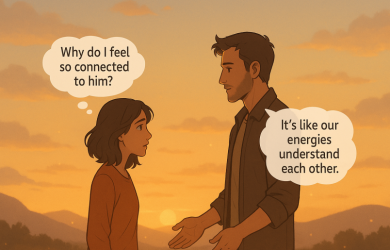
Some connections arrive like a storm, intense, magnetic, unforgettable. At first, everything feels charged with meaning; every moment feels destined. Over time, though, the energy can change… conversations soften, emotions shift, and the bond that once burned bright begins to feel heavy, quiet, or strangely distant.
You might notice patterns repeating, lessons resurfacing, or a growing sense that something important has already been learned. It’s not always dramatic or sudden; sometimes it’s subtle, almost tender. A karmic relationship often leaves behind echoes of love, exhaustion, gratitude, and unanswered feelings all at once.
There can be relief mixed with grief, clarity paired with confusion, and a deep inner knowing whispering, “Something is changing.” Not everything ends with anger; some endings arrive gently, asking only for awareness and honesty.
What is a karmic relationship?
Before we talk about signs a karmic relationship is ending, let’s talk about what a karmic bond is. The term “karmic relationship” is derived from the root word karma, which you may be familiar with as the law of cause and consequence.
Philosophers and intellectuals have traditionally held that thoughts and feelings are not formed by the self but rather are a ripple of the surrounding environmental energy. Therefore, the utmost good radiates into more good actions, while negative actions generate forces of a comparable nature.
So, how does karma work in relationships? A karmic relationship is based on the premise that everything you do has a huge trickle-down effect that impacts you and those around you.
Additionally, many people believe that such relationships exist to teach you essential lessons that you did not learn in your previous life.
-
What is the best way to make a karmic relationship work?
Karmic relationships can and do work, but they are rare today. It takes a lot of patience and effort from both parties to address any issues that arise in their relationship. This is why most karmic partnerships tend to worsen and ultimately result in separation.
The connection between karmic partner signs may appear intense, but it is critical to recognize that these relationships are not intended to last. The majority of them end up in unhealthy relationships since their sole objective is to clear any unresolved karma.
Such relationships rarely survive and frequently leave both karmic partners emotionally drained and in great suffering. Yet, our journey through this affair will show us how to improve and strengthen our relationships with future partners.
RELATED READING : What Is a Karmic Soulmate? 13 Signs You’re in a Karmic Relationship
10 karmic relationship stages you should know about
A karmic relationship may have been full of exciting adventures or steep slopes to tackle. And if it did end, it could have ended with a wave of emotions that destroyed everything you two have ever built.
Karmic relationships are easier to fathom once you have firsthand experience with them. However, it doesn’t mean you must go through one to understand a karmic relationship. Here are 10 stages of karmic relationships to help you better understand them.
1. Intuitions and fantasies
When falling into a karmic connection, people frequently have dreams and visions that they interpret as signals of what is to come in their lives.
- What you need to know: This stage often feels magical and deeply personal, but intuition can easily blend with projection. Strong emotions may amplify fantasies, making it hard to distinguish genuine insight from hopeful imagination.
2. Synchronicities and coincidences
Then, bang! Something remarkable happens in your life! You meet this person by chance, and the entire universe seems to be working to bring you two closer together.
- What you need to know: Repeated coincidences can feel validating, yet they don’t guarantee long-term harmony. Meaningful timing doesn’t replace the need for emotional compatibility, communication, and grounded decision-making.
3. Interstellar romance
Life suddenly makes no sense without this person; all you need is their love. It’s as if you’ve known this person forever, and they have a stunning effect on you.
- What you need to know: Intensity can create a false sense of permanence. Emotional fusion at this stage may blur personal boundaries, making it more difficult to recognize early warning signs or unmet emotional needs.
RELATED READING : The Role of Romance in a Relationship and its Importance
4. The drama begins to build
Even if you still adore each other, tension creeps into your romance. And the angst has been as profound as the love has been.
- What you need to know: Conflict here often reveals unresolved inner wounds. Instead of random chaos, the drama usually mirrors deeper fears, attachment issues, or unhealed emotional patterns from the past.
5. The pattern becomes addictive
Love, fight, desperation, and then love yet again. The pattern appears to go on forever, and you can’t seem to get enough of it.
- What you need to know: Emotional highs and lows can create chemical bonding similar to addiction. This cycle may feel passionate, but it often drains emotional stability and reinforces unhealthy dependency.
Research indicates romantic love can function like an addiction. Scholars propose narrow and broad frameworks, ranging from extremely harmful behaviors to normal attachment driven by similar neurochemical processes. Regardless of definition, treatment should prioritize harm reduction, well-being, and ethical considerations over labeling love itself as a disease.
6. Tides change
This stage may be the end of your relationship. At some point, you will begin to feel a sense of danger, and you will no longer trust your karmic soulmate.
- What you need to know: Loss of trust usually signals emotional exhaustion. Your intuition may be urging self-protection, especially when repeated hurt outweighs moments of closeness or reconciliation.
7. Old tendencies resurface
And now you’re locked in the same pattern once more. You’re bewildered and caught in a vicious circle from which you don’t know how to get out.
- What you need to know: Repetition is not failure; it’s information. This stage highlights lessons that have not yet been integrated, often prompting you to confront avoidance, fear, or self-betrayal more directly.
8. Affirmation and realization
This is the time to wake up and take control of the situation. You recognize that the only way to break free from this karmic tie is to resolve your issues.
- What you need to know: Clarity often arrives quietly, not dramatically. Awareness empowers choice, helping you distinguish between love and obligation, and emotional growth from emotional suffering.
RELATED READING : 10 Love Affirmations for a Healthy and Fulfilling Relationship
9. Progress and development

Learning to practice self-acceptance and self-love is critical for breaking free from the karmic bond. You will only have a way out of your karmic relationship once you figure this out.
- What you need to know: Healing shifts focus inward. As self-worth strengthens, external validation loses power, and the relationship’s emotional grip naturally begins to loosen.
10. Breaking free
This is where the lessons are learned, and the purpose becomes clear. After paying your karmic debt, you are finally free from the karmic relationship!
As you can see, a karmic relationship is not an easy journey, let alone understanding the signs that a karmic relationship is ending. Though it appears to be a short process, there are numerous stages one must go through before finally learning the lessons and breaking free from the karmic tie.
- What you need to know: Freedom doesn’t erase memories; it changes their weight. This stage brings emotional neutrality, gratitude for growth, and space for healthier, more balanced connections ahead.
What happens when a karmic relationship ends?
When going through a breakup after an intense and fiery relationship, many regrets may arise. However, acknowledging that you learned significant lessons and had the unwavering bravery to let go of something that no longer benefited you will help your growth.
Trying to embrace everything, including the difficult periods, will surprisingly quicken the healing process. When you don’t try to run away and hold back emotions, the healing process occurs faster and more easily when they are fully felt and let go.
In general, self-love is critical after a karmic relationship. You’ve been choosing to ignore signs that a karmic relationship is ending and arguing with your feelings of distress, so now is the moment to exercise self-love and believe in yourself again.
19 grave signs a karmic relationship is ending
Now that you understand the stages of a karmic relationship, you may be noticing familiar patterns in your own connection. These bonds are often intense but temporary, arriving to teach powerful lessons rather than last forever.
When the purpose begins to fade, subtle and obvious shifts can appear, signaling that the karmic cycle is reaching its natural conclusion.
1. An immediate connection and a sense of inevitability
Chemistry typically takes time to develop. In a karmic connection, though, your first meeting was likely intense, amazing, and dreamlike. It will all be dreamy before signs that a karmic relationship is ending come up.
You eventually fall in sync with the other person’s psychological patterns and recognize how their mind behaves. You may have felt as if you knew them from another life. And it is because you have.
-
Note this
An instant bond can feel romantic, but it may also bypass emotional discernment. Intensity is not always a marker of longevity; sometimes it simply signals unfinished emotional or spiritual lessons.
RELATED READING : 21 Unexplainable Connection Signs You May Notice With Someone
2. You disregard the red flags
You ignore several underlying issues when you believe you have met your perfect partner. You sense dangers but choose to ignore them.
People around you are undoubtedly telling you how they see this connection as unhealthy. Nonetheless, you tell yourself that they are unimportant.
-
Note this
Ignoring red flags often stems from emotional attachment or fear of loss. Over time, these unaddressed issues grow louder and harder to justify, contributing to the relationship’s eventual breakdown.
RELATED READING : 30 Red Flags in a Relationship You Should Never Ignore
3. There is too much drama
This is the next example of signs a karmic relationship is ending. Instead of tackling an issue collaboratively, you both strive to win. It becomes increasingly impossible to have honest conversations, and sharp remarks and insults contaminate daily life.
Dr. Jennifer Jacobsen, Ph.D. in Psychology, states,
In a healthy relationship, the purpose of communicating or addressing conflict is not to win or be right; it is to resolve the issue. Instead, it is to develop a deeper understanding of each other and reach an agreement.
If conflict is full of insults and attempts to prove the other person wrong, this is a sign that something is amiss.
There needs to be more open communication. And, even after they have been settled, disagreements snowball with the inclusion of previous arguments.
-
Note this
Excessive drama drains emotional safety. When conflict becomes about dominance rather than resolution, it reflects emotional immaturity and signals that the relationship is no longer evolving in a healthy direction.
4. Repetitive patterns
You’ll begin to wonder why your relationship problems never seem to stop. You can be profoundly in love one day and intensely debating with your lover the next.
Regarding your relationship issues, it seems you’re making little progress. This is because you need to learn your lesson, which is why it keeps happening.
-
Note this
Repetition often indicates that the relationship’s core lesson has not been fully integrated. Once the lesson is learned—or resisted for too long—the relationship naturally begins to lose its purpose.
RELATED READING : 10 Ways to Solve Recurring Marital Conflicts
5. Selfishness
In this regard, everything revolves around your own needs, which can lead to an unhealthy partnership in the long run. This kind of selfishness is another example of signs that a karmic relationship is ending, which isn’t good for either of you.
-
Note this
Self-centered behavior erodes emotional reciprocity. Over time, this imbalance causes exhaustion and dissatisfaction, signaling that the relationship no longer supports mutual growth or emotional safety.
A study examined aggression in 194 adolescent couples, identifying five relationship patterns ranging from nonaggressive to mutually aggressive. Mutual aggression was linked to poor relationship functioning, low trust, high jealousy, and frequent conflict, while many couples showed no aggression or one-sided aggression.
6. Possessiveness
Jealousy is one of the most powerful emotions in a relationship, suffocating any possibility for growth and development. It’s as if you’re so drawn to your lover that being around them feels like an addiction.
-
Note this
Possessiveness often masks insecurity and fear of abandonment. When love feels restrictive instead of expansive, it indicates that the relationship has shifted from a growth-oriented to a fear-driven one.
RELATED READING : How to Stop Being Possessive in a Relationship: 19 Ways
7. Things feel off earlier than usual
Did you see a lot of dangerous signals even early in the relationship? Sometimes such cues are part of the relationship’s lesson, which often shows you how to avoid unhealthy patterns in the future.
-
Note this
Early discomfort is often intuitive awareness. Karmic relationships reveal unhealthy patterns quickly to teach discernment and encourage healthier choices in future connections.
8. You develop insecurity
Insecurity is a logical result of having your greatest worries exposed so quickly. This is the core cause of acute jealousy, which leads to possessiveness and obsessive behavior.
-
Note this
If a relationship consistently amplifies insecurity rather than providing reassurance, it may be highlighting unresolved issues with self-worth that require attention beyond the relationship itself.
RELATED READING : How to Stop Being Insecure in a Relationship: 10 Ways
9. A rollercoaster of emotions
Are you thrilled one minute and depressed the next? Things are never consistent, and while you may have good days, it always feels like a collapse is just around the corner.
-
Note this
Healthy relationships offer emotional consistency. Chronic emotional instability often signals trauma bonding rather than genuine emotional compatibility or long-term sustainability.
Dr. Jacobsen says,
In a healthy relationship, there is stability and consistency. When you are living in a constant flux of highs and lows, this is an indication that the relationship isn’t healthy.
10. You both become dependent on each other
Another indicator of a failing karmic relationship is the feeling that you can’t survive without this person. If you find yourself sacrificing your spare time and other connections to see someone on an ongoing basis, it could be a clue that something is wrong.
-
Note this
Emotional dependence blurs boundaries and weakens individuality. When a relationship replaces personal identity, it often becomes unhealthy and difficult to sustain.
11. Miscommunication
Communication is the bedrock of any healthy relationship. When you’re in a karmic relationship, you’ll find it difficult to understand each other. Most of the time, it appears that the two of you are always discussing something different.
-
Note this
Persistent miscommunication indicates misalignment in emotional language or values. When clarity never improves, it often signals incompatibility rather than effort-related issues.
RELATED READING : 7 Tips to Combat Miscommunication in a Relationship
12. Having a heated argument
Your disputes could soon devolve into something personal and nasty. These arguments may appear out of nowhere and catch you off guard. During these confrontations, either of you will repeatedly cross the line.
-
Note this
Repeated hostile conflicts erode emotional safety. When arguments cause lasting damage instead of resolution, the relationship’s foundation becomes increasingly unstable.
13. Energy is running out
Regardless of the beautiful moments you enjoy, you may feel your energy is slowly draining out of your system. Keeping your body on high alert all the time will deplete your reserves.
-
Note this
A relationship that consistently drains energy rather than replenishing it suggests emotional overinvestment without reciprocal nourishment or peace.
RELATED READING : 17 Tips to Heal an Emotionally Drained Relationship
14. Unpredictability
Due to recurring challenges and conflicts, such connections are often viewed as unpredictable. You’ll become disoriented and exhausted.
You don’t see yourself in the mirror; all you can see are your ugliest doubts and most vulnerable flaws. However, you are still completely unaware and absorbed by this affair.
-
Note this
Chronic unpredictability destabilizes emotional well-being. When a relationship creates confusion rather than clarity, it often signals unresolved emotional dysfunction.
15. You find it difficult to let go
You are in a karmic connection if you don’t know how to leave it. It’s like a bad habit that you know is bad for you, but can’t manage to break.
You are experiencing mixed feelings due to the nature of your relationship. You know something is wrong, but you are unsure how to correct it or break the vicious spiral.
Both of you may realize signs that a karmic relationship is ending and want to break off the relationship, but you can’t stop yourself from getting back together.
Even yet, you will eventually recognize that such a relationship is unhealthy, and once you have learned your lesson, moving on will be easier.
-
Note this
Difficulty letting go often stems from emotional attachment to lessons rather than love. Once awareness replaces attachment, release becomes possible.
RELATED READING : How to Let Go of Someone You Love: 15 Ways
16. Karmic lessons
Karmic lessons are the heart of any karmic relationship, embodying the essence of what we’re meant to learn from these often tumultuous experiences. These lessons can range from understanding self-worth to recognizing the importance of setting boundaries or even the realization of one’s own strength and resilience.
The karmic cycle ending meaning often revolves around the completion of these lessons, signaling that the soul has absorbed the necessary wisdom to move forward.
When you experience a sense of resolution or a shift in your perspective, it may indicate that you have learned these karmic lessons, marking a pivotal point in your personal growth journey.
-
Note this
When lessons feel complete, emotional intensity fades. This shift often marks the natural end of a karmic bond and the beginning of personal growth.
17. Desire for more
The desire for more emerges as a beacon, guiding you towards seeking a deeper, more fulfilling connection than what the karmic relationship could offer. This longing signifies a readiness to experience love and relationships that are nurturing, supportive, and aligned with your true self.
It’s a crucial step in the karmic cycle ending, where you’re no longer willing to settle for less than you deserve. This desire propels you forward, away from the cyclic patterns of karmic relationships, towards healthier, more meaningful connections that honor your growth and happiness.
-
Note this
This desire signals readiness for healthier connections. Wanting more is not disloyal; it reflects self-respect and emotional maturity.
RELATED READING : 15 Telltale Signs You Need Space in a Relationship
18. Intuition
Intuition plays a critical role in recognizing the signs of a karmic relationship nearing its end. This inner voice is your spiritual GPS, guiding you towards what feels right for your soul’s journey.
Listening to your intuition can provide clarity on when a karmic cycle is done, often before any tangible signs appear. It’s that gut feeling that something has shifted, and the relationship no longer serves your highest good.
Trusting your intuition is crucial in navigating the complexities of karmic relationships, enabling you to make informed, empowered decisions about your path forward.
-
Note this
Intuition often recognizes endings before logic does. Trusting it allows you to move forward with clarity rather than remaining stuck in emotional cycles.
19. Growth stagnation
Growth stagnation is a clear sign that a karmic relationship is no longer serving its purpose. Karmic relationships are intense and challenging, but they’re also supposed to drive personal development and spiritual growth.
When growth comes to a halt, it signifies that the lessons have been learned and the relationship has reached its natural conclusion. This stagnation is often accompanied by a feeling of being stuck or unable to progress, indicating that it’s time to break free from the cycle.
-
Note this
Karmic relationships exist to promote transformation. When growth stops, it signifies completion, encouraging you to release the bond and evolve independently.
Watch this TED Talk in which clinical psychologist Dr. Antonio Pascual-Leone explains emotional baggage and shares a simple three-step process to help resolve unfinished feelings and move forward:

How can one break the karmic cycle?
Ending karmic relationships can be exceedingly tough, especially if the person is trapped in a never-ending cycle with the other party. To stop a problematic relationship, one must first recognize it.
Please take note of any signs that a karmic relationship is coming to an end, and do not ignore them. Extreme possessiveness, oppressive behavior, and general suffering are a few examples.
Speaking with a trustworthy family member or close friend can help break such bonds. Also, you may seek professional assistance, if needed, to heal from karmic ties.
Finally, give yourself some time to recover. Rushing into another relationship will only make things worse in your life.
FAQs
Karmic relationships, while complex and often challenging, are pivotal in our personal growth journey, offering profound lessons about love, life, and our deepest selves.
Understanding the dynamics and lifecycle of these relationships can help navigate their intense waters. Here are some commonly asked questions to shed light on common queries about karmic relationships.
-
How do you know when a karmic relationship is ending?
You’ll notice repeated patterns and unresolved issues becoming more apparent, alongside a strong feeling of stagnation. A deep inner knowing might tell you it’s time to move on, indicating the relationship’s purpose has been served, and it’s nearing its conclusion.
-
How long do karmic relationships usually last?
The duration of karmic relationships can vary significantly; they last as long as it takes for both individuals to learn the intended lessons. This could mean months or years, but these relationships rarely last a lifetime due to their intense nature, which is designed for rapid personal growth and development.
-
What happens if you stay in a karmic relationship?
Staying in a karmic relationship after its lesson has been learned can lead to a cycle of repeated patterns and potential emotional turmoil. It often results in feelings of being stuck or hindered personal growth, as the relationship no longer serves its transformative purpose.
-
Do karmic relationships always end badly?
Not necessarily. While many karmic relationships do end due to their turbulent and challenging nature, the conclusion doesn’t have to be negative. Recognizing and accepting the relationship’s purpose can lead to a peaceful resolution, allowing both individuals to move forward enriched by the experience.
When clarity quietly arrives
Not every ending is loud or painful… some arrive softly, almost with relief. If you’re noticing these signs, it may simply mean the lesson has been learned.
Does that make it any less emotional?
Of course not. Growth can still ache, even when it’s necessary. Letting go doesn’t erase what you shared; it honors it. The connection mattered, the feelings were real, and the timing served its purpose.
Sometimes the bravest thing isn’t holding on, but trusting that “this chapter is complete.” Give yourself grace, space, and patience. What comes next may feel unfamiliar at first… but it often feels lighter too.
Helpful?
Continue exploring this topic

Marriage.com AI: Your Relationship Guide
Talk through what's on your mind.
Automated
YOU COULD START WITH
Share this article on
Rachael Pace
Author
Rachael Pace is a noted relationship writer associated with Marriage.com. She provides inspiration, support, and empowerment in the form of motivational articles and essays. Rachael enjoys studying the evolution of loving partnerships... Read more and is passionate about writing on them. She believes that everyone should make room for love in their lives and encourages couples to work on overcoming their challenges together. Read less

Marriage.com Community
Real people. Real relationships. No judgment.
How do couples survive big life stress without turning on each other?
Have you navigated this in your own relationship?
Your perspective could help thousands of couples.
See what people are saying
Your perspective could help thousands of couples.


Recent Articles


Related Quizzes








 We'd love your feedback!
 Thanks for your feedback!