




How Common Is Cheating, Really? The Truth Explained

Reviewed By
Maggie Martinez, LCSW
 Review Board Member
|
By
Licensed Clinical Social Worker
Review Board MemberMaggie enthusiastically works with people to foster self-determination and encourages them to grow in a safe therapeutic environment. She has a background in psychology and... Read More
Marriage.com Editorial Team

The Marriage.com Editorial Team is a group of experienced relationship writers, experts, and mental health professionals. We provide practical and research-backed advice on relationships. Our content is thoroughly reviewed by experts to ensure that we offer high-quality and reliable relationship advice.
Learn about Our Editorial Process
4.4k Reads
Updated: 14 Jan, 2026
Heal & Grow Daily for a Happier Relationship
Subscribe FREETable of Contents
View more
Key Takeaways
Marriage.com AI Quick Summary
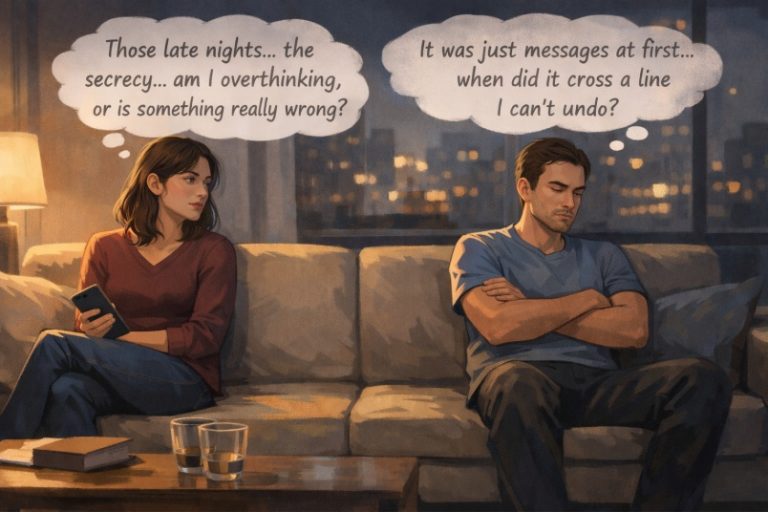
Cheating is one of those topics that quietly stirs curiosity, discomfort, and a lot of unanswered questions… especially when it shows up in real life. Some people brush it off as “rare,” others believe it’s everywhere, and many are left wondering what’s actually true.
The reality sits somewhere in between, shaped by emotions, circumstances, and human choices that aren’t always black and white. Conversations around trust, loyalty, and boundaries can feel heavy, yet they matter deeply in relationships.
Understanding how common is cheating can bring clarity, reassurance, or even validation to thoughts you’ve already had… and help make sense of experiences that didn’t quite add up.
How common is cheating in relationships?
Cheating happens in a noticeable number of relationships, but it’s not the norm. Infidelity statistics generally suggests that around one in five British people report some form of infidelity at some point, meaning most partners still remain faithful.
A research paper published in 2016 states that infidelity extends beyond sexual acts to include emotional and online behaviors, shaped by opportunity, relationship dissatisfaction, personality traits, and social or technological influences.
Facts from the research study:
- 20–25 percentage of people who cheat are married individuals who report sexual infidelity at least once
- Infidelity rates in relationships are higher in unmarried relationships, often exceeding 30%
- Cheating statistics by gender reveals men report higher rates of sexual infidelity, while emotional infidelity shows smaller gender differences.
- Online and digital infidelity has risen significantly with increased technology use
Please note:
Even though cheating does happen in some relationships, it’s not something everyone experiences. Many people stay loyal, build trust, and work through challenges together. Statistics reflect patterns, not personal outcomes—and your relationship is not defined by them.
5 reasons why people cheat on people they love
People will find all sorts of reasons to justify partner cheating. Here are the most common reasons a spouse might be unfaithful to someone they love.
1. They had the opportunity
One of the saddest cheating stats is that there is no real reason why people are unfaithful. Their only motive is opportunity.
A study published in PubMed states that infidelity in unmarried relationships is linked to lower relationship satisfaction, higher sexual desire, and greater opportunity, rather than poor commitment alone.
RELATED READING : 13 Ways to Boost Long-Term Relationship Growth
2. They are bored sexually
Does everyone cheat? No, but if they do, it may be because of sexual curiosity rather than a lack of love for their married partner.
A research paper published in Archives of Sexual Behavior states that infidelity motivations vary widely, including emotional dissatisfaction, desire for novelty, unmet needs, and situational opportunity, challenging the idea that cheating has a single cause.
3. They got involved in an emotional affair

Some partners in a loving marriage may not have sought out an affair but allowed a moment of emotional vulnerability with someone outside the marriage to spiral out of control.
A study published in ResearchGate states that emotional dissatisfaction, unmet attachment needs, poor communication, and emotional neglect strongly contribute to infidelity, often more than sexual desire alone in many relationships.
Emotional affairs are a slippery slope, and you’ll become invested as soon as you share your deepest secrets with someone besides your spouse. This may cause you to neglect the emotional connection with your actual partner and your marriage will suffer.
Even if an emotional attachment never turns into a sexual affair, it can be as painful and complicated to end.
4. They feel underappreciated
Gratitude is a positive cycle if you can get it started. Couples who expressed gratitude toward one another were happier and more likely to engage in relationship maintenance.
Maggie Martinez, LCSW, says
It is important to make your spouse feel valued and seen on a daily basis. This can be done with small words or acts!
This maintenance (date nights, sex, emotional intimacy) contributes to feelings of appreciation, which starts the wonderful cycle again.
On the other hand, couples who feel underappreciated start to look out for their own interests, which may lead to starting a relationship outside of their marriage.
5. They had poor role models
For better or worse, many children imitate their parents’ behavior.
A research paper published in Journal of Family Issues states that individuals from families marked by instability, parental infidelity, or divorce show a higher likelihood of cheating in their own relationships.
Children with one or more unfaithful parents were twice as likely to be unfaithful in their future romantic relationships.
Maggie Martinez further adds,
If you grew up in a household where cheating was the norm, this might de-sensitize you to the act of cheating.
For more information on the rates of infidelity, check out why people cheat on the people they love.
What are the five types of cheating?
Cheating is a topic that sparks curiosity and concern in equal measure. Understanding how often do people cheat and the true cheating prevalence in marriage helps put assumptions aside and brings clarity to what research and real-life patterns actually show.
- Physical cheating: This is when a partner has a sexual (or physical in some way) relationship with someone outside of their relationship.
- Emotional infidelity: Becoming emotionally attached in a romantic way outside marriage. It’s a romantic relationship, potentially with or without physical contact.
- Financial cheating: This type of infidelity is unique because it doesn’t necessarily involve someone outside of the relationship.
Financial partner cheating is when a spouse is deceitful regarding their finances, perhaps lying about how they make money, how much they earn, or how much debt they’re in. They may also have secret bank accounts or properties.
- Cyber infidelity: Online cheating is an umbrella term for micro-cheating (such as flirting via social media), watching pornography, or engaging in sexual chats with those outside the marriage.
- Object infidelity: Also thought of as a poor work/life balance, object infidelity is where a partner pays more attention to work, their phone, or some other objects that distract them from taking care of their relationship.
5 effects cheating has on mental health
With all these cheating stats swirling around your mind, you may wonder: is cheating normal in a marriage? The answer is no. When you marry someone, it is (unless otherwise specified) with the understanding that both partners will be faithful to one another.
Partner cheating isn’t a private matter. Whether it’s kept a secret or revealed in an explosion of truth, it affects everyone involved.
Here are some ways that infidelity can harm your mental health.
1. It creates a change in brain chemistry
When in love, the body releases dopamine, a neurotransmitter responsible for feelings of happiness and euphoria.
Maggie Martinez comments,
It can take a good amount of time to recover from a partner cheating; it is important to think about whether it feels possible for you to move on after.
This is part of the reason why some people feel addicted to love.
The downside to this addiction is that when your partner betrays your confidence with someone else, your body may experience feelings of withdrawal.
- How to cope: Focus on grounding activities like exercise, mindfulness, and consistent routines to help stabilize emotions while your brain chemistry slowly recalibrates.
2. It puts stress on your parenting
If you and your partner have children, the rate of infidelity in your marriage can make you feel like a failure as a parent.
As a parent, you want to protect your children from hurt. You never want them to question: “Is cheating normal?” or have them feel responsible for you or your spouse’s actions.
- How to cope: Reassure your children through age-appropriate honesty, emotional availability, and stability; family counseling can also help repair trust and security.
RELATED READING : Have a Romantic Relationship – 8 Little Things You Can Do to
3. Partner cheating can cause depression
Infidelity leads to separation and infidelity can precipitate major depressive episodes.
This is especially true when a humiliating marital event occurs, such as infidelity, walking in on the act, or threats of marital separation.
- How to cope: Seek professional mental health support early, even if symptoms feel “manageable.” Therapy and medical care can prevent depression from deepening.
4. Damages emotional quotient
How common is cheating and depression? Romantic betrayal can cause a form of PTSD called infidelity-related post-traumatic stress disorder.
Symptoms of this PTSD include, depressive episodes, stress, anxiety and feelings of being devalued
- How to cope: Trauma-informed therapy, journaling, and stress-reduction techniques can help process intrusive thoughts and rebuild emotional safety.
Watch this TED Talk by Lucy Beresford, psychotherapist, who shares how couples can thoughtfully decide whether to heal together or separate after infidelity.

5. Cheating can cause doubts
Does everyone cheat? No, but after being burned by a former love, that’s how you’ll feel.
Partner cheating will make you suspicious of everyone you enter a relationship with from that point forward.
With therapy, self-love, and a loving, honest, and respectful partner, you can overcome the doubts brought on by being cheated on.
- How to cope: Practice self-compassion, challenge negative self-talk, and lean on therapy or support groups to rebuild confidence and trust at your own pace.
FAQ
Questions about how common is cheating often come with confusion, worry, and curiosity. These quick answers address common concerns clearly, honestly, and without judgment.
-
Is cheating always a sign of a bad relationship?
Not always. While relationship issues can contribute, some people cheat due to personal struggles, unmet needs, or poor boundaries rather than the relationship itself.
-
Can a relationship recover after cheating?
Yes, some relationships do recover with honest communication, accountability, and professional support—but healing takes time and willingness from both partners.
-
Why does cheating hurt so deeply emotionally?
Cheating breaks trust and emotional safety, often triggering feelings of rejection, betrayal, and self-doubt, which can affect mental health long after the event.
Understanding reality
Cheating is more common than many people expect, but it’s far from inevitable. While research shows that infidelity occurs in a notable number of relationships, most partners still choose honesty, commitment, and trust.
Statistics help explain patterns, not predict individual outcomes. Every relationship is shaped by communication, boundaries, and emotional connection. Understanding how common is cheating can bring clarity—but it’s empathy, self-awareness, and mutual effort that truly protect relationships and support healing when trust is tested.
Helpful?
Share this article on
Marriage.com Editorial Team
Relationship & Marriage Advice
The Marriage.com Editorial Team is a group of experienced relationship writers, experts, and mental health professionals. We provide practical and research-backed advice on relationships. Our content is thoroughly reviewed by experts... Read more to ensure that we offer high-quality and reliable relationship advice. Read less

Marriage.com
Real Voices — From Our Readers & Experts
Can a relationship really recover after cheating, or is trust permanently broken?
We’re rebuilding, but it’s slow and uneven. Some days feel hopeful and others feel like we’re right back at the start.
For us, honesty afterward mattered more than anything. Half-truths did more damage than the affair itself.
Have you navigated this in your own relationship?
Your perspective could help thousands of couples.
Join the conversation →
Your perspective could help thousands of couples.



Recent Articles


Related Quizzes






Heal & Grow Daily for a Happier, Healthier Relationship
Subscribe FREE on YouTube
 We'd love your feedback!
 Thanks for your feedback!
 Expert Q&A
Ask your question related to this topic & get the support you deserve from experts.