




Spontaneous Sex: 15 Reasons to Try It With Your Partner

Reviewed By
Kaye Smith, Ph.D. in General Psychology
 Review Board Member
|
By
Ph.D. in General Psychology
Review Board MemberKaye Smith is a behavioral health coach, clinician, writer, and educator with over 20 years of experience in psychotherapy, coaching, teaching, and writing. She holds a Ph.D.... Read More
Rachael Pace, Author

Rachael Pace inspires with motivational articles on loving partnerships. She encourages making room for love and facing challenges together.
Learn about Our Editorial Process
10.8k Reads
Updated: 21 Oct, 2026

Heal & Grow Daily for a Happier Relationship
Subscribe FREETable of Contents
View more
Key Takeaways
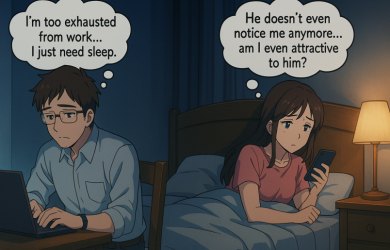
Spontaneous sex is sex that happens in the moment, without a plan: a kiss that lingers, a look across the kitchen, an unexpected afternoon with nothing on the calendar. For many couples, it’s what they remember from the early days, and what they miss when life gets busy.
It isn’t the only healthy way to be intimate, and it isn’t necessarily better than planned time together. But it can bring play, surprise, and a feeling of being wanted.
This article explains what it means, why it can be worth trying, and how to bring more of it into your relationship while respecting each partner’s comfort.
What Is Spontaneous Sex?
Spontaneous sex means intimacy that starts without advance planning. One partner might initiate on a lazy morning, after a fun evening out, or in the middle of an ordinary day, and the other says yes because they feel like it, too.
The key word is mutual: it only works when both people feel willing and comfortable.
When talking about spontaneous vs. responsive desire, desire doesn’t work the same way for everyone. Some people feel it out of the blue, which is called spontaneous desire.
Others notice it only after affection or touch has already begun, which is called responsive desire. Both are normal, and many people experience a mix.
This idea comes from sexual medicine specialist Rosemary Basson, whose work with women in long-term relationships showed that desire often follows closeness instead of coming first.
Sexual medicine specialist Rosemary Basson’s model, published in the Journal of Sex & Marital Therapy, was developed in part to keep desire for women. From being labeled a problem when it simply works differently. The idea is now used more broadly to describe how desire works for many people.
Knowing this can take pressure off. You don’t need to feel an urge first to enjoy being close, and you can still welcome unplanned moments with your partner.
Scheduled Sex vs. Spontaneous Sex
Scheduled sex vs spontaneous sex isn’t a contest. Here’s how they compare, with an example of each, so you can see where each one fits.
Point of difference Scheduled sex Spontaneous sex
How it starts You both agree on a night, like Friday after the kids are asleep A lingering kiss in the kitchen turns into more
Anticipation Builds through flirty texts and looking forward to it Comes as a surprise in the moment
Possible downside Can feel like an obligation if you’re tired Can feel like pressure if one partner isn’t in the mood
Best for Busy seasons, parenting, and packed schedules Relaxed days, trips, and playful moods
What it offers Intention and something to look forward to Surprise and a feeling of being wanted
You don’t have to choose a side.
In two studies published in the Journal of Sex Research, including a daily diary study of more than 100 couples over three weeks, many people endorsed the idea that unplanned sex is better.
People who believed planned sex can be satisfying also did not report lower satisfaction when sex was planned. So spontaneity is one tool, not a test of how healthy your relationship is.
15 Reasons to Try Spontaneous Sex With Your Partner
Spontaneity can add something that planning can’t always give. Here are 15 reasons spontaneous sex can be worth trying, as long as both of you are comfortable and on board.
1. It adds novelty and excitement
After years together, routines can make intimacy feel predictable. Doing something unplanned breaks the pattern and brings back a bit of surprise. Newness doesn’t have to be dramatic. A different time, a different room, or a different mood can be enough to feel fresh.
Research backs this up.
Across three studies in the Journal of Personality and Social Psychology, including a 21-day daily diary study with adults doing new, exciting things with a partner was linked to higher sexual desire in daily life, and higher desire was linked to greater relationship and sexual satisfaction.
Things to try:
- Pick a different time of day, like a lazy afternoon or an early morning.
- Move your evening to a different room or a new setting.
- Say yes the next time a playful moment starts to turn into something more.
RELATED READING : 21 Things to Do in Relationships and Spend Quality Time Together
2. It helps you feel wanted
Being chosen in the moment, with no calendar reminder, can feel powerful. An unplanned move says, “I can’t resist you,” and that feeling can last long after the moment ends. Feeling desired is a big part of what makes physical intimacy feel good for many people.
Things to try:
- Give a specific, heartfelt compliment when you feel the urge.
- Make the first move on an ordinary day.
- Tell your partner how good it feels to be wanted by them.
3. It keeps things playful

Intimacy doesn’t always have to be serious. Spontaneity invites laughter, teasing, and fun, which can ease nerves and make closeness feel lighter. When couples can laugh together in the bedroom, it can become easier to try new things and talk honestly about what they like.
Things to try:
- Tease your partner with a wink or a playful nickname.
- Share a joke or an inside reference that makes you both laugh.
- Laugh off awkward moments and keep the mood light.
4. It helps you stay present in the moment
When there’s no plan, there’s less to measure yourself against. You respond to what’s happening right now: the touch, the mood, the person in front of you. Being present can make intimacy feel more connected and less like something to get through.
Things to try:
- Put your phone in another room when the mood starts to build.
- Focus on one sense at a time, like touch or sound.
- Take a slow breath and notice your partner’s reactions instead of your worries.
RELATED READING : 15 Practical Tips on Being Present in a Relationship
5. It takes away the feeling of obligation
For some couples, sex that’s only on the calendar can start to feel like a task. When it happens because you both feel like it, it can feel like a choice again. That sense of freedom matters, because wanting to be there is part of what makes intimacy satisfying.
Things to try:
- Say yes only when you want to, and say “not now” kindly when you don’t.
- Stop counting how often you’re intimate.
- Ask your partner, “What would feel good for us today?”.
6. It helps you tune in to your partner’s cues
Spontaneous moments often depend on noticing small signals: a longer hug, a certain look, a change in tone. Practicing this kind of attention can make you more responsive to your partner’s mood and needs in everyday life, not only in the bedroom.
Things to try:
- Watch for small signals, like a longer hug or a lingering look
- Check in with a quick “Are you in the mood?”
- Respond warmly if the answer is “not right now”
7. It gives both partners a chance to initiate
In many couples, one person ends up starting most of the time. Spontaneity can shake up those roles. When either of you can start things at any moment, initiating becomes shared, and the person who usually waits gets to be the one who reaches out.
Things to try:
- Take turns making the first move for a week or two
- Start with something low-pressure, like a kiss or a hand on the back
- Tell your partner what it means to you when they initiate
8. It builds trust and comfort with trying new things
Being open to the unexpected, and knowing a no will be respected, builds trust. Each time you check in, and your partner responds warmly, it becomes easier to be honest about what you want. That safety makes experimenting feel exciting instead of risky.
Things to try:
- Agree on an easy way to say “yes,” “maybe later,” or “not tonight”.
- Thank your partner when they’re honest about what they want.
- Try one small new thing together and check in afterward.
RELATED READING : 43 Relationship Check-in Questions for You & Your Partner
9. It can help you relax and release stress
A burst of affection, a long kiss, or a slow dance in the kitchen can pull your attention away from stress. Physical closeness may help you feel calmer and more connected after a long day. It isn’t a cure for stress, but it can be a welcome break from it.
Things to try:
- Hug or kiss hello for a few extra minutes when you both get home
- Sit close together for a few minutes with no screens
- Save work talk for later and give each other your full attention
10. It makes everyday moments feel special
Not every intimate moment needs a plan or a special occasion. A quiet Sunday morning or a rainy afternoon can turn into something memorable. Spontaneity helps ordinary days feel less ordinary, and gives couples shared stories to smile about later.
Things to try:
- Let a rainy afternoon turn into time together
- Notice when the house is quiet and use the moment
- Share a favorite memory of a time something happened unexpectedly
11. It can improve communication about desire
When you’re open to the moment, you also practice saying what you feel: “I’m in the mood,” “I’d love to,” or “Not right now, but later?” Those small, honest exchanges build comfort with talking about sex, which many couples find hard.
That difficulty is common.
Research Highlight: In a Marriage.com survey of 2,399 U.S. adults in committed relationships, 33.8% said they avoid talking about sex or physical intimacy.
Things to try:
- Practice simple lines like “I’m in the mood” or “Not tonight, but soon?”
- Talk about what you enjoy during a relaxed, non-sexual moment
- Share one thing you enjoyed afterward
12. It gives you a break from the mental load
Busy lives involve a lot of planning. Spontaneous time is a way to step out of planning mode, even for a few minutes. It isn’t always possible with kids, work, or caregiving, but small, unplanned moments can still make intimacy feel like a break rather than another task.
Things to try:
- Keep your calendar a little open on a weekend morning or afternoon
- Put your devices away when the mood strikes
- Let go of “perfect” and enjoy what’s possible in a small window
13. It can boost confidence and comfort in your body
Feeling wanted by a partner who accepts you as you are can help you feel more at ease in your own skin. With no time to overthink, you can focus on connection rather than on how you look. That ease can build over time with a kind, supportive partner.
Things to try:
- Tell your partner what you find attractive about them.
- Choose lighting or settings that help you feel at ease.
- Go at your own pace, and tell your partner what feels comfortable.
RELATED QUIZ : Are You a Supportive Partner Quiz?
14. It encourages everyday affection
Spontaneous intimacy often starts with small gestures: a hug that lasts a bit longer, a hand on the back, a kiss hello. Practicing these moments builds a habit of affection that doesn’t depend on sex, and keeps closeness flowing in between.
Things to try:
- Add a longer hug to your morning or evening.
- Touch your partner’s hand or shoulder while you talk.
- Send a short “thinking of you” message.
Watch this TED Talk by Joanne Davila, a psychologist, who shares three skills for healthier relationships: self-awareness, understanding partners, and managing emotions.

15. It helps keep intimacy alive in marriage
Over the years, work, kids, and routines can crowd out intimacy. Spontaneous sex in marriage can help keep desire and playfulness in the picture, so closeness doesn’t only happen when it’s scheduled. It also reminds you that you’re partners and lovers, not only co-managers of a household.
Things to try:
- Flirt with your spouse as you did early on
- Surprise your spouse with a favorite treat or a short getaway
- Protect small windows for just the two of you, even in busy seasons
RELATED READING : How to Flirt With Your Husband: 23 Effective Ways
How to Have Spontaneous Sex Without the Pressure: Ideas To Try
If you’re wondering how to have spontaneous sex when life is busy, start small. It doesn’t take grand gestures, just openness and a little room in your day.
Here are some spontaneous sex ideas, from small gestures to bigger surprises:
- Send a flirty text midday that hints at what you’d like later
- Turn a long kiss hello into a moment, instead of a quick peck
- Slow-dance in the kitchen while dinner cooks
- Say yes to a lazy morning with no alarm
- Take a spur-of-the-moment walk or drive and see where the mood goes
- Whisper something sweet or playful when you’re out together
- Move a cozy night in from the couch to a different room
- Book a last-minute getaway or hotel night, if it works for your budget and schedule
What to do when it isn’t working
If spontaneity feels forced, if one partner is often not in the mood, or if pain, stress, or low desire is getting in the way, it’s okay to slow down. A mix of planned and spontaneous time works well for many couples. If concerns continue, a doctor or a sex therapist can help.
FAQs
Still have questions about spontaneous sex? Here are answers to what couples often ask, from busy schedules to different desire styles.
How to be spontaneous in bed when you’re busy or have kids?
Start small and use the windows you have, like a quiet morning, a nap time, or an evening after the kids are asleep. If true spontaneity is rare, a mix of planned and spontaneous time can work well.
What if my partner and I have different desire styles?
Different desire styles are common. One partner may feel desire out of the blue, while the other warms up with affection first. Talk about it openly, start with non-sexual touch, and agree that either of you can pause at any point.
What if I’m never in the mood for spontaneous sex?
That’s okay, and it’s common. Your desire may be responsive, building after closeness starts. Stress, fatigue, health, medications, and relationship tension can also reduce desire. If it bothers you or lasts a long time, a doctor or a sex therapist can help.
How can I be more spontaneous in a long marriage?
Small changes help most. Flirt during the day, change the time or place, and keep affection going outside the bedroom. Keeping your calendar a little open can leave room for a spontaneous moment.
How do I bring it up without making my partner feel pressured?
Choose a relaxed, non-sexual moment, say what you enjoy about your intimacy, and ask what would feel good for them. Make it clear that “not now” is always okay. Keep the tone light and kind.
Room for Surprise
Spontaneous sex isn’t a test of how strong a relationship is, and it doesn’t replace thoughtful, planned time together. It’s one way to keep play, surprise, and a feeling of being wanted alive.
The best version is mutual: both partners feel safe saying yes, maybe later, or not tonight. Start small with a lingering kiss, a flirty text, or a morning with nothing on the calendar, and notice what feels good to both of you.
If desire styles or stress are getting in the way, that’s common, and talking openly can help. What matters most is closeness that feels like a choice you both keep making.
Helpful?
Continue exploring this topic

Marriage.com AI: Your Relationship Guide
Talk through what's on your mind.
Automated
YOU COULD START WITH
Share this article on
Rachael Pace
Author
Rachael Pace is a noted relationship writer associated with Marriage.com. She provides inspiration, support, and empowerment in the form of motivational articles and essays. Rachael enjoys studying the evolution of loving partnerships... Read more and is passionate about writing on them. She believes that everyone should make room for love in their lives and encourages couples to work on overcoming their challenges together. Read less

Marriage.com Community
Real people. Real relationships. No judgment.
My partner says they’re still attracted to me, but we barely have sex anymore. Is this just what long-term relationships turn into?
Have you navigated this in your own relationship?
Your perspective could help thousands of couples.
See what people are saying
Your perspective could help thousands of couples.


Recent Articles


Related Quizzes










 We'd love your feedback!
 Thanks for your feedback!