




11 Clear Signs Your Marriage Is Making You Depressed

Reviewed By
Sarah Branigan, LMFT
 Review Board Member
|
By
Marriage & Family Therapist
Review Board MemberOur struggles don't define us, they allow us to recognize how much strength and ability lies within us. There is so much courage in recognizing and honoring our own personal... Read More
Rachael Pace, Author

Rachael Pace inspires with motivational articles on loving partnerships. She encourages making room for love and facing challenges together.
Learn about Our Editorial Process
10.6k Reads
Updated: 5 Dec, 2025
Heal & Grow Daily for a Happier Relationship
Subscribe FREETable of Contents
View more
Table of Contents
View more
Key Takeaways
Marriage.com AI Quick Summary
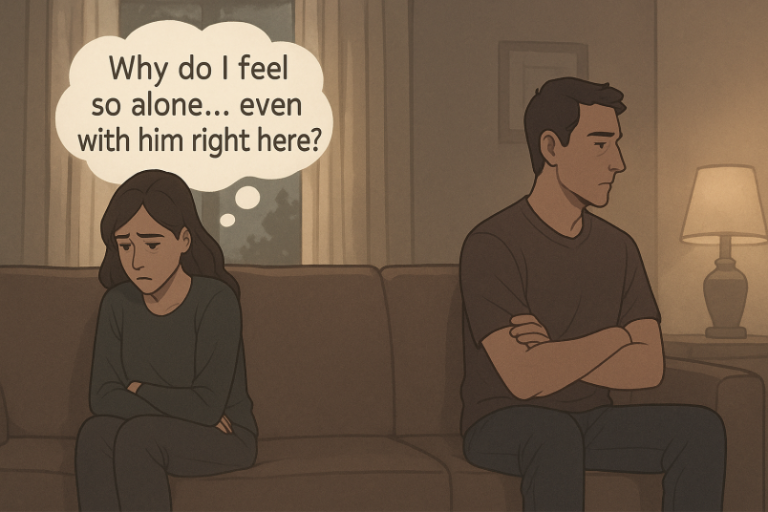
Some days, you just don’t feel like yourself… and you can’t quite explain why. You try to smile, push through, act “normal”—yet something inside feels heavier than it used to.
Is it stress? A rough phase? Or could it be that your marriage is making you depressed without you even realizing it?
It’s a frightening thought, and one no one ever wants to face. But when your energy fades, your joy feels distant, and your heart seems tired for no clear reason, it’s worth pausing. Sometimes, the quietest struggles are the ones we overlook until they become impossible to ignore.
What does it mean by depression in marriage?
Depression in marriage means experiencing persistent sadness, emotional exhaustion, or a loss of interest in life that’s tied to the dynamics of your relationship. It’s when the connection that’s supposed to feel supportive starts feeling heavy, confusing, or draining instead.
A research paper published in 2022 states that people tended to feel more depressed on days when they had arguments or tension with their spouse, and such frequent daily marital discord predicted higher depression and marital trouble over the next 10 years.
Example: You might find yourself withdrawing, feeling anxious before conversations, or dreading coming home—not because you don’t care, but because interactions feel overwhelming or hurtful.
Please note:
And if you’re worried that your marriage is making you depressed, take a breath. Experiencing depression in marriage doesn’t mean you’re broken or alone; with awareness and support, things can get better.
5 reasons behind depression in marriage
If you are a spouse thinking, “my marriage is making me depressed,” or “my boring marriage is causing depression,” you have likely experienced some issues repeatedly. Many marriages go through this, no matter how big or small the issues are.
Nonetheless, the first step to solving depression in a passionless or unhappy marriage is knowing its possible reasons.
1. Lack of intimacy
If you’re constantly complaining, a lack of intimate moments in your marriage can be among the top reasons. If you haven’t been physically close with each other lately, chances are you are left craving that sense of warmth and pleasure.
When couples are always affectionate with each other, it brings closeness and strengthens the bond they have. Being intimate goes beyond being sexually compatible. It’s more about understanding your partner’s needs and expectations in marriage. Particularly, it’s about spending more quality time together.
RELATED READING : How a Lack of Physical Intimacy Can Hurt Your Marriage
2. Lack of connection
Lack of connection between spouses is another reason for depression after marriage. Connection shouldn’t be restricted to the walls of the bedroom.
You should bond with your partner on all levels – sexually, emotionally, physically, and spiritually. When you decide to spend the rest of your life with someone, you should understand them and their perspective. Know their strengths, weaknesses, interests, and so on.
RELATED READING : What To Do When You Feel No Emotional Connection With Your Husband
3. Controlling nature

Partners should be each other’s support system and not dominate each other. When your spouse tries to control your actions, feelings, and behavior, you will likely feel depressed in marriage. Individuals who try to control another are mostly unaware of its consequences.
Your partner isn’t your subordinate to control around. The moment you start taking your spouse as someone inferior, you create an unsafe environment for them. As a result, they might feel insignificant or voiceless within the marriage.
4. Sexually incompatibility
Sexual satisfaction can be a key factor in marriage and depression. Also, sex is the glue that brings a couple together and strengthens their connection. When spouses aren’t on the same page concerning sex, one partner can be forced to think.
Without sex, all you can do is cohabit for reasons best known to you. Before you know it, infidelity can start, and partners lose the grip of their marriage. Therefore, it’s best to know how to deal with sexual incompatibility before it gets too late.
RELATED READING : 22 Experts Share Tips on Dealing With Sexual Incompatibility
5. Infidelity
Infidelity and lack of commitment are among the common causes of failed marriages. If your partner has a habit of cheating, you will be left feeling depressed in marriage. A cheating partner won’t likely keep to whatever vows they took on their wedding day.
A research paper published in 2013 states that among 52 people who had divorced despite having premarital counselling, the most common reasons for divorce were lack of commitment, frequent conflict or arguing, and infidelity, with many citing infidelity, domestic violence, or substance abuse as the final straw.
When trust and honesty are missing in a marriage, it might get brittle over time. Besides, the partner at the receiving end of cheating is bound to be depressed and sad. Their partner’s action may also trigger issues of self-esteem and confidence.
11 signs your marriage is making you depressed
Sadness and depression can be a consequence of a number of things. There is no surefire way to know that your marriage is causing you desolation. Nonetheless, some particular signs of your marriage is making you depressed can point you in the right direction to make the best decision for yourself. Here are some of them:
1. Constant arguments
One of the common signs that your marriage is making you depressed is frequent and heated arguments. A depressed marriage often features partners who can’t make a minor decision without disagreement.
- Example: Even simple plans—like picking a place to eat—turn into arguments because they can’t meet in the middle. And when they finally do, neither puts in enough effort to keep the peace, creating constant tension and growing resentment.
RELATED READING : 15+ Effective Ways to Stop Constant Fighting in a Relationship
2. Lack of effort
Suppose the thoughts of loneliness and depression keep encircling your mind, maybe because your spouse never seems to put effort into your relationship. This can lead a person to think that the other person has no regard for the relationship.
- For example: You plan small moments—like date nights or meaningful conversations—but your spouse cancels, forgets, or shows no interest. Over time, this lack of effort makes you feel unimportant, increasing your loneliness and emotional exhaustion.
RELATED READING : 20 Effective Ways to Put Effort in a Relationship
3. Missing intimacy
What keeps a couple together is the desire to stay intimate with each other, physically and emotionally. Besides lovemaking, there are many ways to keep the affection between you and your partner.
- Example: Small gestures—like holding hands, sharing a quick kiss before leaving, or surprising each other with tiny gifts—help maintain closeness, even when you don’t fully agree.
4. Less quality time
There is a reason why individuals in a marriage or relationship are called partners. Couples are supposed to be together and spend enough quality time together.
- Example: If your spouse consistently chooses to spend time alone instead of joining you for even simple activities, it signals emotional distance and a lack of desire to connect regularly.
5. Loss of excitement
How depression affects marriage depends directly on the individuals involved. Although marriage isn’t a bed of roses, the thought of being with your partner should make you excited and hopeful.
- Example: When you stop feeling happy—or even relieved—about your partner coming home, the missing excitement can leave you emotionally numb and quietly depressed in the relationship.
RELATED READING : 10 Tips on How to Bring Excitement Back Into Your Long-Term Relationship
6. Lack of connection
Another sign of your marriage making you depressed, you should look out for is how you discuss things. Are your conversations limited to basic things like food, laundry and other chores? Perhaps you or your partner is avoiding connection. This action shows there is an unmapped distance between the two of you.
- Example: Your conversations feel shallow—limited to chores, schedules, or errands—while deeper topics are silently avoided. This constant surface-level talk creates a quiet distance that neither of you fully addresses.
7. Avoiding each other
Another sign that your marriage is making you depressed is when you and your partner avoid seeing or being with each other. Again, disputes are a usual part of a marriage. When most couples fight, they still do certain activities together.
- Example: You start staying longer at work, and your partner spends more evenings in another room—not because you’re busy, but because being together feels tense or draining, so both of you quietly keep your distance.
8. You don’t like to spend the nights together
The bedroom is where a lot of couples settle their differences. Sadly, if you are depressed in your marriage, you will not like spending the nights with your spouse.
- For example: One of you might stay up late just to avoid going to bed at the same time, or even create physical barriers—like extra pillows or blankets—to keep distance while sleeping.
9. One of you imagines a negative scenario
If, after an argument, one spouse imagines how life will be when the other one is not around, it’s a troubling situation. Wishing for separation can be extreme in any marriage. Extra care should be taken to ensure one partner doesn’t get aggressive in subsequent disputes.
- Example: After a heated argument, one partner might quietly imagine what life would be like if the other weren’t around—daydreaming about escape instead of reconciliation, which signals deep emotional distress.
10. Mention of divorce
Depression in an unhappy marriage is common when there is mention of divorce. Divorce can be scary for some people and shouldn’t be thrown around casually. If your partner suggests you get a divorce rather than seeking any marriage therapy, you will likely get depressed.
- Example: When your spouse casually brings up divorce during disagreements—rather than trying to fix the issue—it can create fear, insecurity, and a heavy sense of hopelessness in the relationship.
RELATED READING : Reasons For Divorce: Top 10 Reason Why Marriages Fail
11. Emotional withdrawal
When one or both partners stop sharing feelings, thoughts, or worries, the emotional bond begins to fade. This emotional silence can make the marriage feel lonely, empty, and disconnected—even when you’re physically together.
- Example: Your spouse no longer talks about their day, avoids deeper conversations, and responds with short answers, leaving you feeling shut out and emotionally alone.
5 helpful tips for people facing depression in marriage
Giving up is the easiest step you can take in a depressed marriage. However, there are strategies you can employ to get the bubbles back into your relationship. Here are some productive ways to deal with depression in marriage:
1. Highlight the issues
One way to feel less depressed is to write down the issues that make you unhappy. Do you and your partner fight over the kids? Do you argue when it comes to your in-laws? Do they complain about the food or the way you dress? Assess all the times you had a fight and the reasons behind them.
Here’s what you can do:
- Write down every recurring problem and the emotion attached to it.
- Notice patterns—what triggers arguments or sadness most often?
- Share your list with your spouse during a calm moment to encourage honest communication.
2. Identify strengths and weaknesses
It’s easy to see nothing but the weaknesses that have crippled your marriage. Nonetheless, there are certain strengths you might be overlooking.
Here’s what you can do:
- List what works well in your relationship and what doesn’t.
- Discuss these openly, starting with strengths to set a positive tone.
- Choose one weakness at a time to work on together to avoid overwhelm.
3. Be mindful
Mindfulness is the practice of being aware or conscious of your feelings. It also lets you know how you feel at a particular moment and why you accept your feelings and thoughts without judgment or analysis.
Here’s what you can do:
- Practice deep breathing when you feel overwhelmed or triggered.
- Spend 5–10 minutes daily noticing your thoughts without reacting to them.
- Use a journal to track emotions so you can understand patterns over time.
4. Take care of yourself
Paying attention to yourself has a way of improving your decision-making skills. Unfortunately, depression in marriage can make you forget the basic act of getting out of bed or going out to have fun. If you wish to solve this, practice self-care.
Here’s what you can do:
- Set small routines—like a morning walk or a warm shower—to ground yourself.
- Do one joyful activity weekly, even if it’s something simple.
- Reach out to friends or family to rebuild emotional support.
Watch this TED Talk by Jessica Brubaker, a wellness advocate, who shares why self-care is essential, not selfish, and how it strengthens emotional well-being.

5. Go for therapy
Sometimes, your effort to treat depression in marriage may not result positively. In that case, you should seek professional help. Marriage therapy can help you and your spouse identify the issues causing problems in your marriage. Also, it can help you to control your emotions.
Here’s what you can do:
- Book an individual session to understand your feelings deeply.
- Consider couples therapy to work on communication in a safe environment.
- Ask your therapist for tools to manage conflict and emotional triggers.
Choosing yourself
When you start noticing the quiet ache of emotional exhaustion, loneliness, or disconnection, it’s important to listen to what your heart is trying to tell you. Sometimes the weight you feel isn’t “just stress”—it’s a sign that your marriage is making you depressed, and your wellbeing needs attention.
You deserve support, understanding, and a relationship that nurtures you instead of draining you. Whether it’s honest conversations, therapy, or choosing a healthier path forward, taking the next step is an act of strength, not failure.
Did you find this article helpful?
Stuck in conflict and unsure how to move forward together?

Share this article on
Rachael Pace
Author
Rachael Pace is a noted relationship writer associated with Marriage.com. She provides inspiration, support, and empowerment in the form of motivational articles and essays. Rachael enjoys studying the evolution of loving partnerships... Read more and is passionate about writing on them. She believes that everyone should make room for love in their lives and encourages couples to work on overcoming their challenges together. Read less


Recent Articles



Related Quizzes


Recent Videos
View all




Join millions building healthier, happier relationships.


Heal & Grow Daily for a Happier, Healthier Relationship
Subscribe FREE on YouTube
 We'd love your feedback!
 Thanks for your feedback!
 Expert Q&A
Ask your question related to this topic & get the support you deserve from experts.