




7 Exposure Therapy Techniques That Help Couples Reconnect Fast

By
Marriage.com Editorial Team
The Marriage.com Editorial Team is a group of experienced relationship writers, experts, and mental health professionals. We provide practical and research-backed advice on relationships. Our content is thoroughly reviewed by experts to ensure that we offer high-quality and reliable relationship advice.
Learn about Our Editorial Process
100 Reads
Updated: 10 Aug, 2026

Heal & Grow Daily for a Happier Relationship
Subscribe FREETable of Contents
View more
Key Takeaways
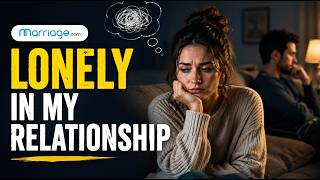
Do you ever feel like you and your partner are living in the same house but somehow miles apart?
It happens more often than people admit; life gets busy, conversations shrink, and little by little, the closeness fades. Maybe you’ve started avoiding certain topics, or physical affection feels a bit… awkward now. That’s completely normal, and more common than you’d think.
Here’s the good news: reconnecting doesn’t always need grand gestures or long, emotional talks. Sometimes, it’s about facing small discomforts, one gentle step at a time.
That’s exactly where exposure therapy techniques come in; originally used for anxiety and fear, they’re now helping couples ease back into vulnerability and touch. Slowly, and without pressure, these techniques can bring back the warmth you’ve been missing.
What Is Exposure Therapy and How Does It Apply to Relationships?
At its simplest, exposure therapy, one of the core behavioral therapy techniques, means facing something uncomfortable, little by little, instead of avoiding it altogether. You’ve probably heard of exposure therapy for anxiety, where people slowly confront their fears until those fears lose their grip.
When both partners are carrying unresolved pain or trauma, the relational benefits of working through it, even separately, can be profound.
Saraiya and colleagues, publishing in Cognitive and Behavioral Practice, described a case study in which both partners in a relationship with PTSD received prolonged exposure therapy concurrently and found significant reductions in PTSD symptoms for both, with both partners also reporting enhancements in relationship functioning during and after treatment.
The same idea works beautifully for couples! Avoiding hard conversations, touch, or vulnerability only creates more distance over time; gentle, repeated exposure helps rebuild comfort. It’s not about rushing intimacy… it’s about easing back into it, safely and steadily, together.
7 Exposure Therapy Techniques That Help Couples Reconnect Fast
Every couple experiences moments of distance, but the good news is that closeness can be rebuilt, gently and intentionally, without needing grand gestures.
Below are 7 exposure therapy techniques that couples can practice together, each designed to ease avoidance and encourage genuine reconnection. Whether it’s a hard conversation or a quiet moment of touch, small steps, taken consistently, can bring real change over time.
1. Gradual exposure to vulnerable conversations

Understanding how exposure therapy works helps explain why this technique matters so much for couples. Instead of diving straight into heavy topics, partners start small; a light admission here, a gentle confession there, nothing too overwhelming at first.
Over time, using fear-hierarchy examples, such as ranking conversations from ‘mildly uncomfortable’ to ‘deeply vulnerable,’ can help couples move at a pace that feels safe and manageable. It’s slow, but it’s steady, and that steadiness is exactly what rebuilds trust.
Here’s how it works:
- Make a simple list of topics, ranked from easiest to hardest to discuss
- Start with the mildest topic and only move up once it feels comfortable
- Set a weekly “one small conversation” goal instead of tackling everything at once
RELATED READING : Why Vulnerability in Relationships Matters: 17 Benefits
2. Scheduled intimacy check-ins
Setting aside regular time to talk about intimacy, without distractions, can feel awkward at first; that’s completely normal! These check-ins are essentially examples of exposure therapy applied to everyday relationship life, small and repeatable.
Couples gently discuss needs, boundaries, or insecurities in short, low-pressure sessions, without expecting everything to be resolved right away. Over weeks, these check-ins build comfort and trust, making bigger conversations feel far less intimidating than they once did.
Here’s how it works:
- Pick a consistent day and time each week, even just 10 minutes
- Use a simple starter question, like “What felt good this week?”
- Keep phones away and treat them as judgment-free, no matter what’s shared
3. Systematic desensitization for conflict avoidance
Conflict avoidance often stems from fear of confrontation, but avoiding it entirely only deepens the disconnect over time. Following gradual exposure therapy steps, couples can practice discussing small disagreements before tackling bigger, more emotionally charged ones.
And how couples characteristically handle conflict, the profile they fall into, shapes the overall quality of the relationship in measurable ways.
Delatorre and Wagner, in the Revista Colombiana de Psicología, studied 750 heterosexual couples and identified four conflict-resolution profiles, finding that the Validator profile, characterized by negotiation and mutual acknowledgment, was associated with the highest relationship quality, while the Hostile profile was associated with the lowest.
This structured approach reduces panic responses and defensiveness during arguments, making conflict feel less like a threat. With repeated, calm exposure, disagreements start to feel manageable rather than terrifying, which… honestly, changes everything for a relationship over time.
Here’s how it works:
- Practice on low-stakes disagreements first, like chores or scheduling
- Use “I feel” statements instead of blame to keep things calm
- Take a short pause if things escalate, then return to the topic later
4. Physical touch exposure
Rebuilding physical closeness after a period of distance takes real patience, and that’s okay; there’s no need to rush. This is where in vivo exposure therapy, meaning real-life, direct practice, comes in handy for couples looking to reconnect physically.
Starting with simple hand-holding or a brief hug, partners can slowly reintroduce touch without pressure, expectation, or rushing things along too quickly. Each small moment of contact helps rebuild comfort, safety, and warmth, one gentle gesture at a time.
Here’s how it works:
- Start with a brief, low-pressure touch, like holding hands during a walk
- Add a daily hug or hand squeeze with no expectation of anything more
- Check in verbally afterward to see how the touch felt for both partners
RELATED READING : 21 Romantic Touches in a Relationship to Enhance Your Love
5. Role-reversal exercises to reduce emotional avoidance
Sometimes, seeing things from your partner’s perspective can create real breakthroughs you wouldn’t expect! Using imaginal exposure therapy techniques, couples can mentally rehearse difficult conversations or imagine their partner’s emotional experience before discussing anything aloud together.
This exercise softens defensiveness, builds empathy, and helps partners approach sensitive topics with more patience and less fear. It’s a simple, thoughtful way to reduce emotional distance without needing an actual confrontation right away.
Here’s how it works:
- Pick a recent disagreement and mentally replay it from your partner’s side
- Write down what you imagine they were feeling in that moment
- Share your reflection with your partner and ask if it matched their experience
6. Exposure through shared novel experiences
Trying new activities together, even small ones, can reignite connection surprisingly fast, almost overnight sometimes! This technique borrows from principles used in exposure therapy for phobias, where unfamiliar situations gradually become less intimidating through repeated, positive exposure and practice.
Cooking a new recipe, taking a class together, or exploring a new neighborhood builds shared confidence and lightens the mood between partners. Novelty, it turns out, brings couples closer than they’d ever expect.
Here’s how it works:
- Pick one new, low-stakes activity to try together each week
- Choose something slightly outside your comfort zone, but not overwhelming
- Reflect together afterward on what felt fun or surprising about the experience
Watch this TED Talk in which Dr. Andrea and Jonathan Taylor-Cummings, co-founders of Soulmates Academy, share the four fundamental habits that all successful relationships have in common, drawn from over 20 years of working with countless couples:

7. Mindful exposure to silence and stillness together
Sitting quietly together, without filling every silence, can feel strange at first, even uncomfortable. Drawing from exposure and response prevention techniques, couples practice resisting the urge to distract, scroll, or disengage during quiet moments together.
Learning how to do exposure therapy safely means starting small, with just a minute or two of stillness before slowly extending that time. These small moments of shared quiet, practiced consistently, can transform into a deeply meaningful connection.
Here’s how it works:
- Set a timer for just one or two minutes of shared, phone-free silence
- Sit close together, maintaining eye contact or gentle touch if comfortable
- Gradually extend the time as silence starts to feel calming instead of awkward
RELATED READING : 15 Benefits of Silence in Relationships
How to Practice Exposure Therapy Techniques as a Couple
Starting out can feel a little intimidating, but exposure therapy techniques work best when they’re kept simple, gentle, and low-pressure. The goal isn’t perfection; it’s consistency, patience, and a willingness to sit with discomfort for just a little longer each time.
Before diving in, it helps to set a few ground rules together so that both partners feel safe, respected, and supported throughout the process.
Here are a few things to keep in mind:
- Start small, and only increase difficulty once you both feel ready
- Communicate openly about what feels okay and what doesn’t, without judgment
- Avoid rushing; progress happens gradually, not overnight, and that’s perfectly fine
- Check in with each other after every practice session, even briefly
With time, these small efforts genuinely add up. Couples who stay consistent, even with just a few minutes a week, often notice meaningful shifts in comfort, trust, and closeness… it really does get easier.
FAQs
Still have questions about exposure therapy techniques for couples? Here are a few common ones, answered simply.
Yes, many couples practice these techniques informally at home, especially simpler ones like scheduled check-ins or gradual touch. However, if deeper trauma or intense conflict are involved, working with a licensed couples therapist can offer guidance and structure that self-practice alone might not provide. It varies from couple to couple, honestly. Some notice small shifts within a few weeks of consistent practice, especially with simple techniques like check-ins or touch. Deeper issues, like long-standing avoidance or trust concerns, may take longer; patience and consistency matter more than speed here. Generally, yes, but not universally. These techniques work well for avoidance, anxiety, and minor communication gaps. However, in relationships involving abuse, unresolved trauma, or significant safety concerns, professional guidance is strongly recommended before attempting any exposure-based practice at home, gradual or otherwise. Can couples do this without a therapist?
How long before couples notice results?
Is this safe for all relationship issues?
Small Steps, Lasting Connection
Reconnecting with your partner doesn’t have to feel like a huge, overwhelming task. Sometimes, it’s the smallest moments, a shared silence, a gentle touch, an honest conversation, that bring couples back together.
Using exposure therapy techniques, one gradual step at a time, can help ease the discomfort that often keeps partners at a distance. There’s no need to rush or get everything right immediately; progress happens slowly, and that’s okay!
With patience, consistency, and a little courage, closeness can absolutely be rebuilt… sometimes, it starts with just showing up, again and again.
Helpful?
Continue exploring this topic

Marriage.com AI: Your Relationship Guide
Talk through what's on your mind.
Automated
YOU COULD START WITH
Share this article on
Marriage.com Editorial Team
Relationship & Marriage Advice
The Marriage.com Editorial Team is a group of experienced relationship writers, experts, and mental health professionals. We provide practical and research-backed advice on relationships. Our content is thoroughly reviewed by experts... Read more to ensure that we offer high-quality and reliable relationship advice. Read less
 Reviewed by
Marriage.com Community
Real people. Real relationships. No judgment.
How do you know if therapy is actually helping or if you’re just talking in circles?
Have you navigated this in your own relationship?
Your perspective could help thousands of couples.
See what people are saying
Your perspective could help thousands of couples.







 We'd love your feedback!
 Thanks for your feedback!