





 Revisado por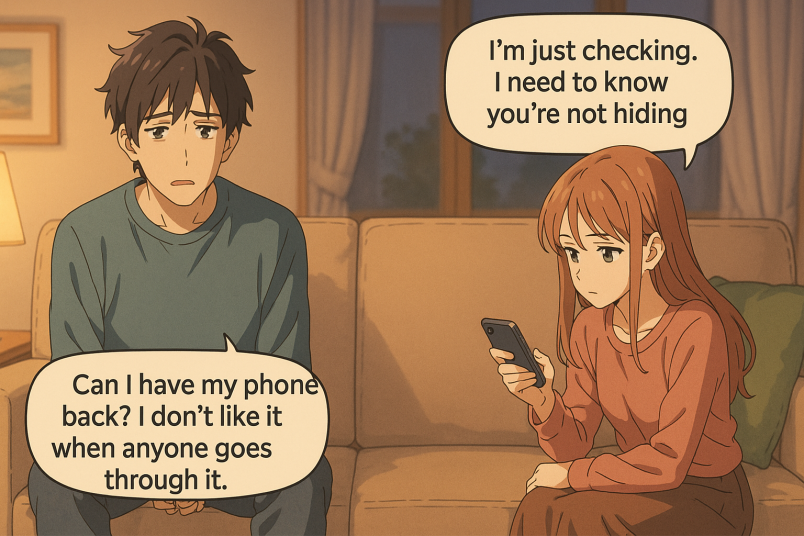
Conclusiones clave
Resumen rápido de Marriage.com con IA
Sentirse atrapado, criticado o cuestionado constantemente por alguien que amas puede ser confuso y emocionalmente agotador. Es posible que te preguntes por qué cada elección parece una negociación, o por qué las decisiones simples de repente se sienten pesadas.
A veces, el cuidado puede convertirse en algo controlador, lo que dificulta la distinción entre los dos. Cuando comienzas a notar patrones, como la supervisión, el sentimiento de culpa o los juegos sutiles de poder, es útil hacer una pausa y reflexionar. Estas experiencias pueden hacer que te sientas solo en tu propia relación, sin saber cómo restablecer el equilibrio.
Al explorar las señales de que tienes una esposa controladora, recuerda que tus sentimientos son válidos y que hay maneras compasivas de entender lo que está sucediendo y avanzar hacia una comunicación más saludable.
¿Es normal sentirme controlado por mi esposa?
Sentirse controlado por una pareja puede resultar un desafío y no es saludable para una relación.Estar controlado por un cónyuge no se considera normal ni aceptable en una relación.
Es importante tener una comunicación abierta sobre sus sentimientos y preocupaciones con su esposa. Una asociación sana se basa en el respeto, la confianza y la comprensión mutuos.
Investigadoresdesarrolló una comprensión clara del respeto en las relaciones al identificar sus características clave y crear una escala confiable de respeto por la pareja. La escala se correlacionó con los patrones de apego y predijo la satisfacción de la relación mejor que las medidas existentes, destacando la importancia única del respeto y sugiriendo direcciones para estudios futuros.
Si se sienten incómodos, hablar de sus emociones juntos puede llevar a encontrar soluciones que los beneficien a ambos. Recuerda que las relaciones saludables implican colaboración, no control.
13 señales de que tienes una esposa controladora
Buscando señales de una esposa controladora? Sigue leyendo.
Si ha estado viendo, de primera mano, las señales de que tiene una esposa controladora, lo más probable es que esté casado con una esposa controladora.
Repasemos algunos escenarios simples con los que solo un esposo casado con una mujer controladora se identificaría:
- ¿Su esposa le pide que le informe sobre adónde va, con quién está y a qué hora volverá a casa? Bueno, ¡esto incluye llamadas y preguntas durante todo el día sobre lo que está haciendo y dónde se encuentra!
- Una señal obvia de que una esposa controladora es si siempre tiene la razón. Cualquier problema o desacuerdo que tengas, terminas perdiendo porque ella es muy capaz de cambiar las cosas y desenterrar los errores del pasado.
- ¿Sientes que cuando tienes una pelea o un desacuerdo, incluso si sabes que tienes razón, ella termina haciéndose la víctima? ¿Hace que te sientas culpable por haber sido maltratada cuando estás enojada o estresada?
- ¿Te das cuenta de que puede hacer cosas que específicamente no te permite hacer? Por ejemplo, ¿odia cuando chateas con amigas, pero la ves chateando libremente con sus amigos varones?
- ¿Su esposa siempre consigue lo que quiere de una forma u otra? ¿Se porta mal y te hace pasar un mal rato cuando no se sale con la suya?
- ¿Su esposa acepta sus errores? ¿O se enfada y desvía el tema?
- ¿Se da cuenta de que su esposa tiene un carácter irracional? ¿Está siempre irritada, enojada y de mal humor? Cuando una esposa controla a su esposo, a veces puede enfurecerse inútilmente.
- ¿Se lo muestra a otras personas? qué superior es¿para ti o para tu familia?
- ¿Su esposa monitorea de cerca sus hábitos de gasto y controla sus finanzas, lo que le hace sentir que necesita permiso para comprar?
- ¿Te desanima a pasar tiempo con tus amigos y familiares, tratando de que solo te concentres en ella?
- ¿Critica con frecuencia tus elecciones, apariencia o decisiones, haciéndote sentir que eres inadecuado?
- ¿Te desalienta de perseguir tus propios pasatiempos, intereses u objetivos profesionales que no se alinean con sus preferencias?
- ¿Siente una curiosidad excesiva por tus conversaciones, textos o correos electrónicos personales, invadiendo así tu privacidad e ignorando tus límites?
[/wp.org]
¿Qué hace que una esposa sea controladora?

¿Por qué las esposas son tan controladoras? ¿Por qué las esposas intentan controlar a sus maridos? Intentemos averiguarlo.
Estas son algunas de las razones más comunes que pueden hacer que una esposa exhiba controlar el comportamiento, junto con ejemplos relacionados:
- Inseguridad:Si una esposa se siente insegura de sí misma o de la relación, podría tratar de ejercer el control para tener una sensación de seguridad. Por ejemplo, es posible que te pregunte constantemente sobre tus planes para asegurarse de que no se quede fuera, por temor a que prefieras la compañía de otra persona.
- Traumatismos pasados:Experiencias previas, como relaciones pasadas o problemas de la infancia, puede afectar el comportamiento. Si una pareja la engañó en el pasado, es posible que esté controlando demasiado tus interacciones con los demás, por temor a un resultado similar.
- Deseo de perfección:La necesidad de que las cosas sean perfectas puede llevar a un comportamiento controlador. Si está obsesionada con tener el hogar «perfecto», podría dictar cómo hacer las tareas o criticar tus esfuerzos por cumplir con sus estándares.
- Miedo a perder el control:Algunas personas usan el control como un mecanismo de afrontamiento para controlar su propia ansiedad. Si está estresada, podría intentar controlar varios aspectos de su vida, incluidas tus acciones, como una forma de recuperar la sensación de control.
- Problemas de comunicación:Las malas habilidades de comunicación pueden llevar a intentos de control. Si tiene dificultades para expresar sus necesidades y preocupaciones abiertamente, podría recurrir a una conducta controladora para asegurarse de que se cumplan sus deseos.
Cómo puedes lidiar con una esposa controladora: 7 formas prácticas
Si estás casado con una esposa que te controla pero aún quiere trabajar en tu matrimonio y mejorar las cosas, significa que realmente la amas y valoras la relación que ambos comparten.
Conozca las formas más sencillas de tratar con una esposa controladora y cómo pueden hacerlo juntos como equipo.
1. Comprende el motivo
Vivir con una esposa controladora requiere tratar de llegar a la raíz del problema.
Habrá casos en los que una esposa controladora pueda tener problemas subyacentes, como mostrar rasgos narcisistas u otros problemas psicológicos. También puede ser de trauma o una relaciónproblema que tenías antes.
Su enfoque general diferirá del motivo de la actitud que muestra. Si padece algún tipo de problema psicológico, es posible que necesite ayuda profesional.
A continuación te explicamos cómo empezar:
- Haga preguntas abiertas con delicadeza para comprender qué desencadena su comportamiento controlador.
- Reflexiona sobre situaciones pasadas para ver si aparecen patrones o causas fundamentales.
- Sugiera explorar estas razones juntos en una conversación tranquila y sin prejuicios.
2. Mantén la calma
Es importante que los esposos mantengan la calma mientras se enfrentan a esposas controladoras. En lugar de discutir o convertir el asunto en una pelea por quién es mejor, mantén la calma.
La atención plena influye en la calidad de las relaciones y la resolución de conflictos. Investigaciónla participación de 153 adultos, que actuaron con conciencia, entablaron un diálogo y evitaron la escalada, predijo mejores relaciones. El no juzgar aumentó la satisfacción, mientras que la falta de reactividad redujo la compatibilidad. En general, la atención plena se correlacionó positivamente con la calidad de las relaciones y con estrategias más saludables de manejo de conflictos.
Es mejor así y ahorrarás energía. Déjala despotricar y luego pregúntale si ahora puede escuchar. En este momento, incluso una esposa controladora puede ceder.
Puedes hacerle saber que entiendes su punto y luego agregar tus propios puntos.
A continuación te explicamos cómo empezar:
- Practica técnicas de respiración profunda o de concentración antes de responder para ayudarte a mantener la calma y la concentración.
- Usa un tono calmado y firme, incluso si sus emociones aumentan.
- Reconozca sus sentimientos primero y luego comparta su punto de vista.
3. Pídele que trabaje contigo
Es posible que se sorprenda al saber cómo comunicación efectivapuede estar en estas situaciones.
Puedes empezar por usar palabras y declaraciones positivas para ella para que no las malinterprete.
Según el terapeuta matrimonial y familiarLisa Seid:
A todos les gusta sentirse apreciados y bien consigo mismos. Las parejas a veces olvidan lo importante que es reforzar los cambios positivos, así que agradece o elogia a tu pareja cuando responda positivamente a tus solicitudes de comunicación.
Es probable que veas un comportamiento menos controlador y más del tipo de comunicación positiva que estás buscando.
También puedes mostrar señales de que estás de acuerdo con ella y de que estás dispuesto a crear un plan al respecto. Esto hará que sienta que se le ha dado importancia y, al mismo tiempo, te permitirá abrir una forma de conectarte con ella y ayudarla.
A continuación te explicamos cómo empezar:
- Comience las conversaciones con aprecio, por ejemplo: «Valoro lo mucho que se preocupa por nuestra casa».
- Pregunte: «¿Podemos resolver esto juntos?» para enfatizar la importancia del trabajo en equipo.
- Elogie los pequeños cambios positivos para fomentar más de lo mismo.
4. Busque ayuda
Puede haber casos en los que la esposa controladora sea consciente de sus acciones y quiera cambiar.
En esta situación, lo mejor es buscar ayuda profesional y darle tiempo para que comprenda por qué es necesario y cómo puede beneficiar su relación.
A continuación te explicamos cómo empezar:
- Mencione la terapia con delicadeza, centrándose en el crecimiento compartido y no en la culpa.
- Los asesores de investigación se unen para hacer que el proceso parezca colaborativo e inclusivo.
- Asista a la primera sesión en equipo para mostrar unidad y apoyo.
5. Fomentar la independencia
Fomentar la independencia en su relación implica darse el espacio para perseguir intereses, amistades y actividades individuales. Esto ayuda a evitar que se desarrolle una sensación de control.
Cuando ambos miembros de la pareja tienen sus propias vidas fuera de la relación, puede conducir a una dinámica más sana y equilibrada.
A continuación te explicamos cómo empezar:
- Anímela a dedicarse a pasatiempos o actividades que disfrute.
- Haz planes con tus propios amigos y apóyala para que haga lo mismo.
- Celebren la individualidad de cada uno en lugar de verlo como una amenaza.
6. Establece límites
Establecer límites es esencial para mantener una relación sana. Los límites definen qué es un comportamiento aceptable y qué no.
Comunícate abiertamente con tu esposa acerca de tus límites personales y anímala a hacer lo mismo. Hable sobre las áreas en las que ambos se sienten cómodos e incómodos en términos de control.
A continuación te explicamos cómo empezar:
- Expresa claramente qué comportamientos específicos cruzan tus límites.
- Acuerde límites mutuos que protejan la comodidad y el bienestar de ambos miembros de la pareja.
- Revise los límites con regularidad para ajustarlos a medida que su relación evoluciona.
Mire este video en el que Emma McAdam, LMFT, explica por qué las personas luchan con límites saludables y comparte una clave para establecerlos:
7. Predica con el ejemplo
Liderar con el ejemplo significa demostrar los comportamientos y estilos de comunicación que le gustaría ver en su relación. Si quieres una asociación basada en la confianza, el respeto y la comunicación abierta, sé el primero en mostrar estas cualidades.
Demuestre que valora las opiniones de su esposa, involúcrela en las decisiones y escúchela activamente.
A continuación te explicamos cómo empezar:
- Escuche sin interrumpir para mostrar cómo es una comunicación respetuosa.
- Involúcrala en las decisiones para reforzar la igualdad.
- Sea coherente con la amabilidad y la claridad para fomentar un comportamiento similar a cambio.
Preguntas frecuentes
Las relaciones a veces pueden plantear desafíos, y es importante comprender cómo abordar el comportamiento controlador. Exploremos algunas preguntas comunes y proporcionemos respuestas sencillas para ayudarlo a afrontar estas situaciones.
-
¿Puede cambiar una esposa controladora?
Por supuesto, el cambio es posible. Las personas evolucionan, y las relaciones también pueden hacerlo. Si su esposa está dispuesta a comprender el impacto de su comportamiento y ambos se comunican abiertamente, se puede lograr un cambio positivo. La paciencia y los esfuerzos mutuos jugarán un papel clave.
-
¿Cuándo un hombre es controlado por su esposa?
El control puede surgir cuando uno de los miembros de la pareja domina las decisiones, lo que afecta la libertad y la confianza. Sentir que necesitas aprobación o temer que las reacciones puedan ser una señal de esto. Las relaciones saludables honran ambas voces, dejando espacio para el crecimiento y las decisiones mutuas.
-
¿Es posible que mi esposa controle de manera saludable?
Sin duda, el equilibrio es fundamental. La orientación puede ser positiva, pero preservar la independencia de cada uno es vital. La honestidad, la comprensión y la búsqueda de un punto medio son fundamentales. Esforzarse por una asociación en la que se valoren ambas perspectivas conduce a una conexión armoniosa.
-
¿Cómo puede ayudar la terapia de pareja si uno de los miembros de la pareja tiene dificultades para controlar el comportamiento?
La terapia de pareja ofrece un espacio de apoyo para el crecimiento. Los terapeutas expertos facilitan las conversaciones, enseñan a comunicarse de manera efectiva y brindan herramientas para abordar los desafíos relacionados con el control. Ambos socios trabajan en colaboración para lograr la comprensión, fomentando una relación más armoniosa.
Una relación de igualdad y comprensión
Reconocer las señales de que tienes una esposa controladora puede resultar abrumador, pero también es el primer paso hacia la curación y el equilibrio. Cada relación tiene sus puntos débiles, y la suya merece paciencia, claridad y comunicación honesta.
Toma un respiro… no estás solo en esto. Con esfuerzos pequeños y constantes, como establecer límites moderados, compartir sus sentimientos abiertamente y buscar apoyo cuando lo necesite, pueden crear patrones más saludables juntos.
¿Y quién sabe? Estas conversaciones pueden acercarlos más y ayudarlos a ambos a sentirse escuchados, respetados y comprendidos.

Is getting a marriage license actually stressful or am I just overthinking it?
I was overthinking it. It ended up being way less dramatic than I imagined, mostly paperwork and timing.
Just double-check deadlines. That’s where people seem to get tripped up, not the process itself.
Your perspective could help thousands of couples.
Comparte este artículo en

Rachael Pace inspira con artículos motivacionales sobre relaciones amorosas. Fomenta hacer espacio para el amor y enfrentar los desafíos juntos.








 ¡Nos encantaría conocer tu opinión!
 ¡Gracias por tus comentarios!
