




How to Find Emotional Fulfillment in a Relationship: Dos & Don’ts

Reviewed By
Jennifer Jacobsen Schulz, LCSW
 Review Board Member
|
By
Licensed Clinical Social Worker
Review Board Member
7.3k Reads
Updated: 26 Nov, 2025
Heal & Grow Daily for a Happier Relationship
Subscribe FREETable of Contents
View more
Key Takeaways
Marriage.com AI Quick Summary
Love isn’t just about shared laughter or grand gestures—it’s about feeling seen, heard, and deeply connected. Sometimes, even in the happiest relationships, something feels… missing.
That quiet ache often points to a lack of emotional fulfillment in a relationship. It’s the warmth that comes from being understood and valued beyond words. Finding that balance takes awareness; knowing what nourishes your bond—and what quietly drains it.
Because love grows not only through affection but through emotional safety, respect, and small, consistent acts that say, “I’m here, and I get you.” When those align, connection feels effortless—and truly fulfilling.
What is an emotionally fulfilling relationship?
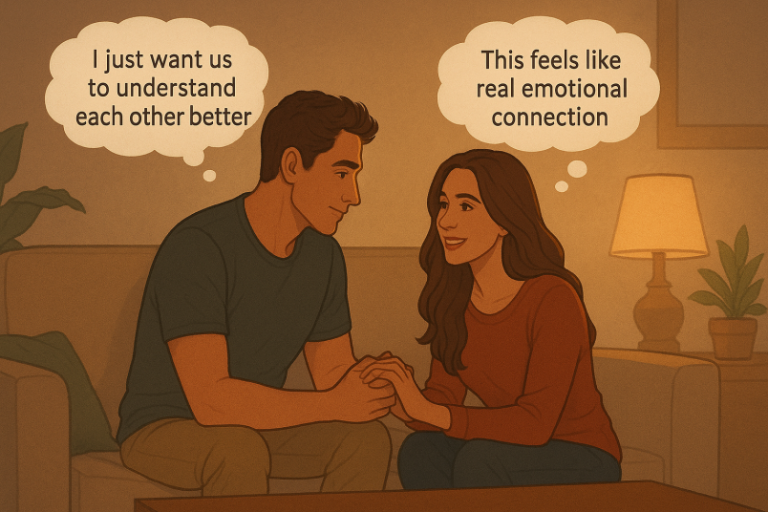
An emotionally fulfilling relationship is one where both partners feel deeply understood, supported, and valued for who they truly are. It’s built on trust, empathy, and emotional safety—where love feels peaceful, not draining. You don’t have to perform or pretend; you can just be, and still feel loved.
A research paper published in 2024 states that meeting emotional needs in romantic relationships greatly enhances mental well-being, happiness, and stability among young couples, fostering healthier long-term emotional connections.
Example: When one partner has a rough day, and the other listens without judgment—just offering warmth and presence—it builds an unspoken bond of safety and closeness.
Please note:
And if your relationship doesn’t always feel this way, don’t worry. Emotional fulfillment in a relationship takes time, patience, and practice. Even small, intentional efforts can bring you closer to that deeper connection you’re longing for.
5 do’s of a fulfilling relationship
Building emotional fulfillment in a relationship starts with small, mindful choices that nurture trust, respect, and care. These five simple do’s can help you strengthen your bond and create lasting emotional closeness with your partner.
1. Maintain a meaningful emotional connection
A fulfilling relationship thrives on emotional closeness—the sense that your partner truly “gets” you. Regularly share your thoughts, feelings, and everyday moments to stay connected and understood.
A research paper published in Family Process states that emotional safety in couples fosters open communication, reduces conflict, and strengthens trust, forming the foundation for lasting emotional connection and relationship satisfaction.
Feeling loved means your partner accepts and values you. They completely understand and get you. You do not want to exist for each other for the sake of coexisting.
- Example: Sending a simple text like, “Thinking of you—hope your meeting goes well!” helps maintain emotional warmth even on busy days.
2. Welcome respectful disagreements

Two ways that couples handle and address disagreements are either quietly talking things through or raising their voices to get the point across. Regardless of the manner you handle conflicts, ensure you do it in a respectful manner and, most importantly, never be afraid of conflicts.
You need to feel safe to express yourself to your partner, not fearful of how they would retaliate. Together, aim to find solutions to conflicts without degradation, humiliation, or insisting on being right.
Dr. Jennifer Schulz, PhD in Psychology, explains,
People often view conflict as unhealthy, but healthy relationships actually do involve some degree of conflict. What is most important is that you and your partner can resolve conflict in a productive manner, arriving at solutions rather than seeking to win or prove a point.
- Example: Saying, “I see your point; can we find a middle ground?” helps resolve conflicts without blame or defensiveness.
RELATED READING : 9 Prime Causes of Conflict in Marriage & How to Resolve Them
3. Maintain outside relationships, hobbies, and interests
Your partner cannot meet all your needs, and you cannot meet theirs. So, having these unrealistic expectations puts unnecessary strain on each other. Surprisingly, to keep the spark alive, you need to keep outside relationships, hobbies, and interests alive.
Do not let your relationship with your partner consume you so much that you end up losing your identity. Stay connected with your friends and family, and continue doing what you love outside of your relationship.
- Example: Join a weekend art class or meet a friend for coffee to recharge and bring new stories back to share.
4. Strive for honest and open communication
Honest and open communication is one of the most essential ingredients in any fulfilling relationship — whether it is with your partner, child, parent, sibling, or friend. When two people can comfortably express their fears, needs, and desires with each other, it strengthens the bond and increases trust between them.
- Example: Saying, “I felt hurt when you canceled our plan without telling me,” opens the door for healthy, heartfelt dialogue.
RELATED READING : 12 Key Tips to Promote Open Communication in a Relationship
5. Focus on the positives
No one is perfect. Neither you nor your partner is perfect. Everyone has negative qualities, but the reason you are with each other is that the positive attributes outweigh the negative ones.
Dr. Schulz states,
We often focus on the negative in relationships, but it’s important to also express gratitude for your partner and praise them for what is going well.
When you have a disagreement or argument, it is human nature to think of the negatives first and put the positives on the negative burner. By always focusing on the negative aspects of a relationship, the relationship will not go anywhere.
- Example: Instead of dwelling on a missed text, say, “Thanks for making dinner tonight—I really appreciate it.”
5 don’ts of a fulfilling relationship
Understanding what emotional fulfillment is in a relationship also means knowing what to avoid. Certain habits—like criticism, neglect, or control—can quietly erode love. These five don’ts help protect your bond and keep emotional closeness strong and genuine.
1. Playing on your partner’s weaknesses
Do not play on their weaknesses, but always reiterate their strengths. By continually telling them what they are doing wrong, you are decreasing their motivation to do anything right.
You are crushing their confidence by always pointing out the wrong in them. Instead, sit down with them to discuss how they can do things differently in the relationship.
- Example: Instead of saying, “You never do anything right,” try, “I know you’re trying—maybe we can handle it together next time.”
2. Getting revenge on your partner
Taking revenge for what your partner may have done wrong is petty, and there is no better way to put that. You want to steer clear of the cycle of revenge — you take revenge, they take revenge, you, them, and so on.
Always treat them the way you want them to treat you, regardless of how they act towards you. Never get even in a relationship because that spells doom.
- Example: If they forgot an anniversary, don’t ignore them back—share how it made you feel and what you’d appreciate next time.
3. Blowing things out of proportion
Practice mindfulness. Sit down alone to reflect on the entire situation before you throw a tantrum or have a meltdown. Never assume or overthink a situation before talking to your partner.
Do not let your fears and insecurities catch up with you. When you feel a situation is too overwhelming, ask yourself if it is worth risking your entire relationship.
- Example: Before confronting your partner for a late reply, ask yourself, “Is this about them—or my own worry?”
RELATED READING : 9 Gentle Reminders if You’re Overthinking in a Relationship
4. Acting out of desperation
Before you make any decision, think through it several times before you go through with it. Acting out of desperation only leads to more misery. Sometimes, people get so desperate for their partner to change that they go as far as threatening divorce or a breakup.
If nothing works and you want to work on your relationship to improve it, you can always seek marriage or couples counseling.
- Example: Instead of threatening a breakup to get attention, express your feelings calmly: “I miss how close we used to be—can we work on that?”
RELATED READING : 10 Reasons Couples Counseling Is Essential for a Relationship
Watch this TED Talk by Katie Hood, a relationship educator, who shares how to recognize healthy love and avoid toxic relationship patterns.

5. Ignoring emotional needs
Emotional neglect can quietly distance two people, even when everything looks fine on the surface. When one partner feels unheard or unseen, resentment builds, and connection fades over time.
- Example: If your partner seems withdrawn, don’t ignore it—ask gently, “You’ve been quiet lately; is something bothering you?” It shows care and emotional presence.
FAQ
Relationships can be complex, and it’s natural to have questions about emotional fulfillment in a relationship. Here are a few quick answers to help you understand and nurture emotional fulfillment better.
-
What is the main cause of emotional emptiness in relationships?
Emotional emptiness often arises from a lack of communication, unexpressed needs, or feeling unseen and undervalued by your partner.
-
How can couples rebuild emotional connection after conflicts?
By talking openly, apologizing sincerely, and showing consistent care through small, thoughtful actions that rebuild trust and safety.
-
Can emotional fulfillment fade over time?
Yes, it can—but it’s reversible. Regular check-ins, quality time, and mutual appreciation help restore emotional closeness.
Nurturing lasting connections
Emotional fulfillment in a relationship isn’t built overnight—it grows through daily acts of love, empathy, and understanding. When both partners listen, support, and value each other’s feelings, the bond deepens naturally.
It’s about showing up with patience, kindness, and honesty, even when things feel difficult. By focusing on what truly matters—mutual respect and emotional safety—you create a relationship that not only lasts but also brings genuine happiness and peace to both hearts.
Helpful?
Share this article on

Emily Scott

Marriage.com
Real Voices — From Our Readers & Experts
We’re good roommates but I don’t feel emotionally close anymore. How do you even fix that?
We didn’t “fix” it all at once. It was more small stuff...checking in, actually listening, not scrolling while the other person is talking.
I honestly don’t have a great answer. We’re still kind of in this phase and it’s lonely, even though we live together.
Have you navigated this in your own relationship?
Your perspective could help thousands of couples.
Join the conversation →
Your perspective could help thousands of couples.
Related Articles



Recent Articles



Related Quizzes









Heal & Grow Daily for a Happier, Healthier Relationship
Subscribe FREE on YouTube
 We'd love your feedback!
 Thanks for your feedback!
 Expert Q&A
Ask your question related to this topic & get the support you deserve from experts.