




What Is a Sham Marriage? Types, Effects & How to Deal

Reviewed By
Grady Shumway, LCSW
 Review Board Member
|
By
LCSW
Review Board MemberGrady Shumway is a Licensed Clinical Social Worker in Utah. He earned his Master of Social Work Degree from Arizona State, along with his undergraduate degree from Utah State... Read More
Noah Williams, Author

Noah Williams is a passionate writer focusing on matters of the heart and mind. He emphasizes the importance of honesty, communication, and self-love for relationships.
Learn about Our Editorial Process
2.9k Reads
Updated: 4 Nov, 2025
Heal & Grow Daily for a Happier Relationship
Subscribe FREETable of Contents
View more
Key Takeaways
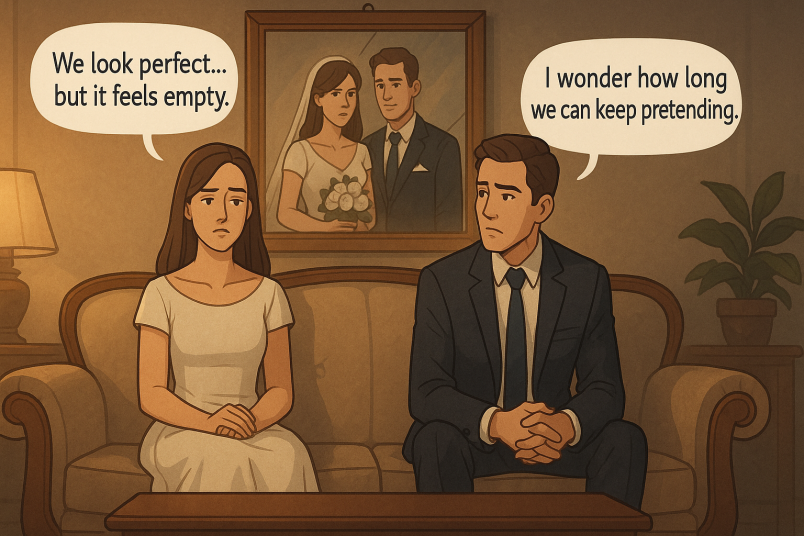
Sometimes, love stories aren’t quite what they seem… A “sham marriage” may look perfect on the outside—smiles at the wedding, joint bank accounts, matching social media posts—but behind closed doors, there’s a quiet ache of pretense.
Maybe it’s for convenience, money, or even immigration; whatever the reason, it blurs the lines between partnership and performance. The heart still hopes for real connection, yet the relationship feels like a stage play—rehearsed, distant, and hollow.
It’s a situation that leaves many wondering where authenticity ends and obligation begins, and how to find truth in something built on illusion.
What is a sham marriage?
Imagine a marriage that’s more like a play than a love story. That’s a sham marriage! It’s when two people get married, not because they love each other, but to get some kind of advantage.
A research paper published in 2017 states that sham marriages have a detrimental effect on the health of familial relationships and structures.
The most common reason is for immigration purposes. Maybe someone wants to live in a new country and getting married to a citizen is a shortcut. They might pretend to be a loving couple, but really, they’re just strangers playing a part.
Example: Someone might marry a friend just to help them get citizenship or financial stability. Over time, both may realize that the arrangement feels empty and unnatural—like pretending that marriage is a sham while wishing it could be something more meaningful.
Please note:
If you’ve ever been close to a situation like this, it’s okay to feel confused or even heartbroken. Not every relationship turns out the way we hoped, but honesty—with ourselves and others—is always a powerful place to begin again.
5 reasons to choose sham marriages
Sham marriages, often arranged to circumvent immigration laws or other legal requirements, come in several types. Here are a few common types:
1. Immigration benefits
Perhaps the most recognized type, this involves individuals getting married to grant one of them residency or citizenship in a particular country. These marriages lack a genuine relationship and are strictly for legal benefits.
- Example: Emma marries David so he can obtain permanent residency. They live separately and rarely interact beyond immigration interviews.
2. Benefit fraud
This type of sham marriage occurs when individuals marry to gain access to benefits such as tax reductions, housing, or social security benefits that are otherwise unavailable to single individuals.
- Example: Rachel and Mark marry to qualify for joint housing benefits, though they continue living independent lives.
3. Financial gains
In some cases, marriages are arranged purely for financial gain or business purposes, without any romantic involvement. This can involve agreements to share wealth, assets, or to facilitate business deals.
- Example: Olivia and Ben agree to marry so their companies can merge assets more easily and benefit from joint tax breaks.
4. Avoiding military service
In some countries, married individuals are exempt from compulsory military service. Here, a sham marriage might be arranged to avoid such obligations.
- Example: Liam marries a friend, Mia, to avoid being drafted into military service. They plan to divorce once his exemption is confirmed.
5. Cultural or social pressures

In certain cultures, there is significant pressure to be married by a certain age. Individuals might enter into sham marriages to satisfy family or societal expectations without intending to live as a genuine couple.
- Example: Priya marries her cousin’s friend to stop her family from pressuring her about marriage, though they live in different cities.
6. Healthcare benefits
Healthcare can be really expensive, and marrying someone who has a good health plan is one way to get coverage without huge costs. This is especially common in places like the U.S., where your job or your spouse can determine your health insurance.
A sham marriage here can mean getting the medical care one partner needs, even if the couple isn’t actually in love.
- Example: Tom married his college friend to gain access to her comprehensive healthcare plan, covering treatments that his own plan did not.
7. Legal protection or residency stability
Some people enter sham marriages to avoid deportation or gain legal protection in a country where their status is uncertain. The marriage provides a sense of safety and stability, even without emotional attachment.
- Example: Ana marries Leo to avoid being sent back to her home country while awaiting asylum approval, though they both understand the marriage is not romantic.
Please note:
If you’ve ever found yourself near or within a situation like this, remember—every choice comes from a place of circumstance, not weakness. Understanding why a marriage happened is the first step toward healing, honesty, and finding the kind of relationship that feels truly real.
What are the effects of sham marriages?
Sham marriages can have broad and lasting impacts, both on the individuals involved and on societal systems. Here’s a closer look at the specific consequences of sham marriage that make them problematic:
1. Legal penalties
Engaging in a sham marriage is a serious offense in many countries, especially when used as a strategy to circumvent immigration laws. If discovered, the parties involved may face severe legal consequences, including hefty fines and imprisonment.
A research paper published by Beth Caldwell states that U.S. citizen spouses of non-citizens often face a cruel dilemma: they must choose between their right to marry and the right to live in the country when their partner risks deportation.
Additionally, non-citizen participants may be deported and barred from re-entering the country, severely impacting their future life and travel plans.
- Note: Being aware of legal penalties is crucial because violating immigration or marriage laws can result in severe legal consequences, including fines and deportation.
2. Relationship complications
Sham marriages complicate not only the lives of those directly involved but can also ripple out to affect genuine relationships.
When one party is involved in a romantic relationship outside the sham marriage, it can lead to feelings of betrayal, jealousy, and emotional pain. These situations can also create tension within families, especially if the sham is against the family’s ethical or moral values.
- Note: Awareness of relationship complications is important to prevent emotional harm to yourself and others, preserving personal and familial relationships.
RELATED READING : How to Get Over Hurt Feelings in a Relationship: 13 Ways
3. Loss of trust
Individuals known to have participated in a sham marriage may find their credibility damaged. This loss of trust can extend into various aspects of life, including professional environments where integrity is crucial.
Colleagues and employers might question their judgment and reliability, which could impact career opportunities and social relationships.
- Note: Staying alert to the potential loss of trust helps protect your reputation and maintain credibility in both personal and professional spheres.
4. Financial risks
Sham marriages often involve financial agreements that might not be legally enforceable. If disputes arise, such as one party failing to pay agreed-upon amounts or attempting to exit the arrangement prematurely, it can lead to significant financial losses.
A research paper titled The effects of a sham marriage states that sham marriages are treated like contracts rather than genuine unions—leading to both financial effects (dowry, alimony, inheritance) and non-financial impacts (lack of cohabitation, lineage issues).
Additionally, the costs associated with setting up and dissolving the marriage, including legal fees, can be substantial.
- Note: Understanding financial risks is key to avoiding significant losses and legal disputes over money matters related to the sham arrangement.
RELATED READING : 3 Pros and Cons of Marrying for Money: Making an Informed Decision
5. Emotional stress
The deceit required to maintain a sham marriage often leads to anxiety and stress. Constantly hiding the truth from authorities, family, and friends, and living a double life can take a psychological toll.
This can lead to long-term emotional issues such as depression and anxiety, particularly if the situation becomes fraught or if guilt over the deception weighs heavily on the individual.
- Note: Being conscious of emotional stress is essential for safeguarding your mental health and ensuring emotional well-being while dealing with the pressures of a sham marriage.
Watch this TED Talk by Stan Tatkin, a relationship expert, who shares how our brain’s automatic reactions often cause misunderstandings and conflicts in relationships.

5 practical ways to deal with sham marriages
Dealing with a sham marriage can feel confusing, emotional, and even overwhelming. Whether you’re directly involved or affected by someone close to you, understanding what’s really happening—and what steps to take next—can help you move forward with clarity and strength.
Here are a few practical ways to handle the situation wisely:
- Understand the sham marriage meaning: Before reacting, take time to understand what a sham marriage truly is—one created for benefits like money, immigration, or convenience rather than love or partnership. Knowing the definition helps you separate facts from feelings.
- Gather evidence and stay calm: If you suspect that your marriage is a sham, collect important details like messages, documents, or proof of false intent—but avoid confrontation in anger. Calm and clear action will protect you legally and emotionally.
- Seek legal advice immediately: A lawyer experienced in family or immigration law can guide you on your rights and next steps. They’ll help you handle the situation properly and avoid unintentional legal trouble.
- Prioritize emotional recovery: Feeling betrayed or used can hurt deeply. Don’t ignore those emotions—talk to a trusted friend, counselor, or therapist. Healing matters just as much as resolving the legal side.
- Learn and set new boundaries: Once you’ve taken care of the immediate issues, reflect on what signs you might have missed. Setting healthy emotional and personal boundaries helps prevent repeating a similar situation in the future.
Finding clarity and moving forward
Sham marriages can leave behind confusion, pain, and broken trust—but they also offer lessons about honesty, awareness, and resilience. Understanding what happened and why helps you regain control of your story and your choices.
Whether a marriage was a misunderstanding, a legal arrangement, or emotional deception, remember that your worth isn’t tied to how it began or ended. With patience, support, and self-reflection, it’s always possible to rebuild trust—in yourself and in love that feels genuine, secure, and real.
Helpful?
Continue exploring this topic

Marriage.com AI: Your Relationship Guide
Talk through what's on your mind.
Automated
YOU COULD START WITH
Share this article on
Noah Williams
Author
Noah loves to write on matters of the heart and mind. His experiences have taught him that being an honest friend who communicates well and giving importance to self-love can go a long way in maintaining loving relationships. When... Read more he’s not writing or advising people on how to thrive in their relationships, he loves exploring new places with his partner, working out, and pretending that he’s good at cooking exotic stuff. Read less

 Expert Q&A
Is it possible to get out of a sham marriage when you don't know where the husband is?


Editorial Team
Relationship & Marriage Advice
Expert Answer
Yes, it's possible to get out of a sham marriage even if you don't know your husband's location. You can file for divorce on grounds of fraud or that the marriage was never consummated. An experienced attorney can help you navigate the process, which may involve serving your husband by publication (a legal notice in a newspaper). You'll need to demonstrate to the court that the marriage was entered into solely for immigration purposes and that there was never a genuine intention to establish a life together.
 Thanks! We'll do our best to answer your question and post it above.
Marriage.com Community
Real people. Real relationships. No judgment.
How do couples survive big life stress without turning on each other?
Have you navigated this in your own relationship?
Your perspective could help thousands of couples.
See what people are saying
Your perspective could help thousands of couples.



Recent Articles



Related Quizzes


Recent Videos
View all


Join millions building healthier, happier relationships.


 We'd love your feedback!
Expert Q&A
We'd love your feedback!
Expert Q&A
Ask your question related to this topic & get the support you deserve from experts.