




How to Deal With a Nagging Wife: 13 Practical Tips

By
Marriage.com Editorial Team
The Marriage.com Editorial Team is a group of experienced relationship writers, experts, and mental health professionals. We provide practical and research-backed advice on relationships. Our content is thoroughly reviewed by experts to ensure that we offer high-quality and reliable relationship advice.
Learn about Our Editorial Process
19.2k Reads
Updated: 4 Nov, 2025
Heal & Grow Daily for a Happier Relationship
Subscribe FREETable of Contents
View more
Key Takeaways
Sometimes, it feels like every little thing turns into a reminder, a request, or another “Did you do it yet?” moment! Maybe she’s repeating herself about chores, bills, or plans… and you’re left wondering how to stay calm and keep the peace.
Before frustration takes over, it helps to look beneath the surface; there’s often more to those repeated words than meets the ear. Understanding emotions, communication patterns, and small daily dynamics can change everything.
So, if you’ve been quietly asking yourself how to deal with a nagging wife, a little empathy and awareness might go a long way.
5 signs that you have a nagging wife
Living with a nagging wife can feel exhausting—like every conversation turns into a reminder or critique. Before figuring out how to deal with a nagging wife, it helps to recognize the early warning signs.
A research paper published in 1898 states that women who constantly nag and scold suffer poorer health due to mental stress, and their behavior also negatively affects those around them.
Here are some clear indicators that constant criticism or repeated requests may be taking over your relationship.
1. Constant criticism
Does your wife criticize everything? From how you eat to how you are, so hard to wake up, to the way you handle the kids? Do you constantly feel like you’re being watched and being criticized?
Examples:
- She comments on how you dress or the way you eat.
- Points out what you forgot to do, even for small things.
- Criticizes how you talk to others or manage time.
2. Requests turning into commands
You may notice that at the first few years, she’ll request you to do things, but later on turns into commands and changes such as facial expression, tone of voice, and actions would already be different.
Examples:
- “Can you take out the trash?” becomes “Take out the trash now!”
- Her tone sounds impatient or demanding instead of calm.
- She starts doing things herself after scolding you for not doing them right away.
RELATED READING : 9 Signs Your Partner Is Using a Condescending Tone With You
3. Nonverbal signs of nagging

If you think nagging is just all about words, think again. Nagging can also be in a form of actions such as folding of arms, rolling of eyes, and so much more.
Examples:
- Eye-rolling when you respond to her.
- Heavy sighs or crossed arms when you don’t move fast enough.
- Silent treatment or obvious gestures showing disapproval.
4. Repeated reminders of past mistakes
Do you always have to find yourself listening to your past mistakes being repeated again? It’s like a never-ending list of her issues with you, and one little mistake will definitely lead to another flashback of mistakes. Tiring, we know.
Examples:
- Bringing up arguments from months ago.
- Reminding you of something you forgot repeatedly.
- Comparing your current behavior to old mistakes.
5. Public or persistent nagging
Does she frequently extend her nagging even if you are not in the house, or even when you have visitors? This can really get into your nerves as it disrupts work and even looks like you’re being shamed in front of other people.
Examples:
- Pointing out your flaws in front of guests or family.
- Sending multiple messages while you’re at work.
- Criticizing you during social events or calls.
RELATED READING : 24 Disrespectful Wife Signs (And What to Do Next)
Please note:
Remember, nagging often stems from unmet needs or repeated frustration, not malice. While it can feel draining for one partner, it can also come from a place of care or wanting change. With patience, communication, and empathy, both partners can understand each other better and create a calmer, supportive dynamic.
How to deal with a nagging wife: 13 practical tips
Sometimes, no matter how much you love each other, constant reminders and criticisms can take a toll. Learning how to deal with a nagging controlling wife isn’t about winning an argument—it’s about understanding what’s really going on beneath the surface.
With patience, empathy, and small changes, you can rebuild peace and partnership at home.
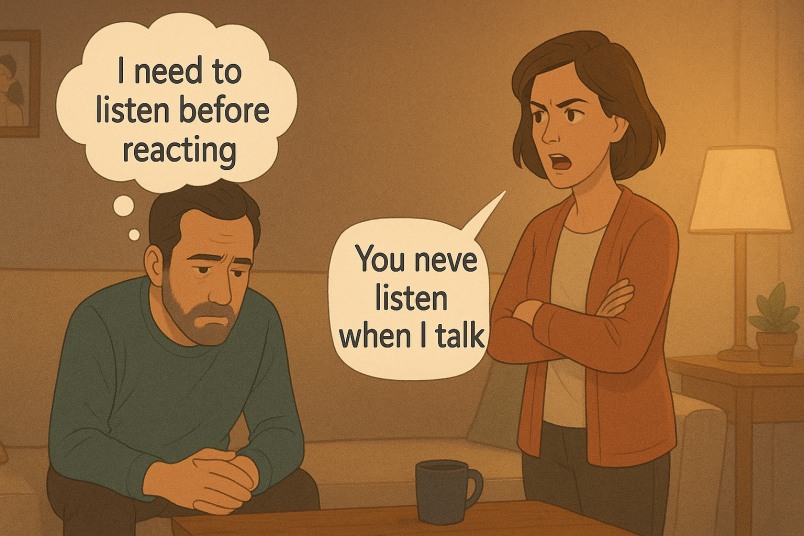
1. Listen before reacting
Instead of getting defensive, try to truly listen to what she’s saying. Sometimes, a nagging wife just wants to feel heard and understood.
: A research chapter published in the National Center for Biotechnology Information Bookshelf states that mastering active listening requires intentional feedback and acknowledgment of the speaker’s message, and is essential for effective two-way communication, especially in high-pressure settings.
When you show you’re paying attention, it can calm her tone and reduce repeated complaints. Listening also helps you find the root of the issue faster.
- Quick tip: Maintain eye contact, nod, and summarize what she said—show that you’re genuinely listening.
2. Stay calm and don’t argue back
Raising your voice or matching her frustration only adds fuel to the fire. Staying calm helps keep things from escalating and signals maturity. When emotions run high, step away if needed and revisit the discussion later. Calmness shows control and invites mutual respect.
- Quick tip: Take a few deep breaths before responding—silence can speak louder than anger.
RELATED READING : How to Stay Calm in a Fight With Your Partner: 17 Strategies
3. Find out what triggers her nagging
Most nagging starts when certain needs or frustrations aren’t being met. It could be chores, attention, or communication gaps. Observing when and why she nags can help you address the problem directly. Understanding the cause makes it easier to fix patterns rather than symptoms.
- Quick tip: Keep note of repeating topics—those are your real pain points to resolve.
RELATED READING : 11 Ways to Successfully Navigate Triggers in Your Relationship
4. Communicate your feelings honestly
Be open about how the constant nagging makes you feel, without blaming her.
A research-based guide titled Assertive Communication states that expressing your point of view in a clear and direct way — while still respecting others — improves relationships, reduces conflict, and helps you have your needs better met.
Use “I” statements like “I feel pressured when…” instead of “You always nag.” Honest, kind communication helps her understand your perspective and invites teamwork, not conflict.
- Quick tip: Pick a calm time to talk, not during or right after an argument.
5. Appreciate her efforts
Sometimes, nagging hides behind care—she might just want things to run smoothly. Showing appreciation can turn tension into gratitude. When she feels valued, she’s less likely to resort to constant reminders. A small “thank you” can soften a lot of frustration.
- Quick tip: Compliment her for what she does right—it shifts the focus from conflict to connection.
RELATED READING : Wife Appreciation Day: 15 Ways to Make Her Feel Cherished
6. Do your part consistently
If she’s reminding you of the same task repeatedly, she might just want reliability. Following through on responsibilities builds trust and reduces her need to repeat herself. Consistency shows that her words matter and that you’re an equal partner in keeping things on track.
- Quick tip: Set reminders or schedules for shared tasks so nothing gets missed.
7. Set healthy boundaries
If reminders turn into control, it’s time to define limits respectfully. Explain that you’re open to feedback but not to being constantly corrected. Healthy boundaries protect your peace without shutting her out. Over time, she’ll learn to express concerns in a more balanced way.
- Quick tip: Say calmly, “I understand your concern, but please trust me to handle it.”
8. Work as a team, not as opponents
Marriage isn’t a competition—it’s teamwork. When you approach issues together, blame fades and solutions appear faster. Instead of “you vs. me,” try “us vs. the problem.” Shared goals help transform arguments into collaboration.
- Quick tip: Use phrases like “Let’s fix this together” to reinforce teamwork.
9. Address underlying stress
Sometimes nagging isn’t about you—it’s about her own stress or exhaustion. Emotional overload can make anyone short-tempered. Be supportive by asking what’s really bothering her or helping her unwind. When she feels emotionally safe, she’ll likely communicate more gently.
- Quick tip: Encourage small breaks, walks, or quiet time when she seems overwhelmed.
10. Practice empathy
Try to see things from her point of view. Maybe she feels unheard, anxious, or burdened with too many responsibilities. Empathy helps you respond with care instead of frustration. When she senses your compassion, the dynamic naturally softens.
- Quick tip: Ask yourself, “What might she be needing right now?” before reacting.
RELATED READING : How to Show Empathy in a Relationship: 15 Healthy Tips
11. Know when to walk away temporarily
If an argument gets too heated, it’s okay to take a break. Walking away doesn’t mean ignoring her—it means pausing to cool down and think. This space helps you avoid saying things you’ll regret and keeps discussions productive.
- Quick tip: Say, “Let’s pause and talk after we’ve both calmed down.”
Watch this TED Talk by Dr. Janie Lacy, licensed relationship trauma psychotherapist, who shares three essential steps to identify toxic relationship patterns and reclaim self-compassion, boundaries, and true connection.

12. Seek professional support if needed
If nagging turns into control or emotional strain, a couple’s therapist can help. Professionals can identify communication issues and suggest tools to rebuild respect and balance. Knowing how to deal with a nagging, controlling wife often requires neutral guidance for lasting change.
- Quick tip: Don’t wait for things to get worse—early counseling can prevent deeper resentment.
13. Nurture love and patience daily
Patience and affection can dissolve tension better than lectures or blame. Reconnect through small gestures—quality time, shared laughter, or kind words. Over time, love becomes louder than nagging, and both partners feel more secure.
- Quick tip: Do one thoughtful thing daily—kindness builds emotional safety.
FAQ
Every relationship has its ups and downs, and communication styles can sometimes clash. These quick answers of how to deal with a nagging wife, clear up common questions about navigating the challenges of living with a nagging wife and building a healthier emotional connection together.
-
Why does my wife nag so much?
Nagging often comes from feeling unheard or overwhelmed. When her concerns are ignored repeatedly, she may start repeating them. It’s not always about control—sometimes it’s frustration or emotional exhaustion. Listening and responding calmly can make a big difference.
-
How can I stop constant arguments with my wife?
Focus on listening more and reacting less. Instead of defending yourself, acknowledge her feelings first. Once she feels heard, she’s more open to calm discussion and compromise. Choose your timing wisely—avoid serious talks when emotions run high.
-
Can nagging ruin a marriage?
Yes, over time it can create resentment and distance if left unchecked. But it’s reversible. When both partners work on empathy, patience, and clear communication, nagging turns into constructive conversations that actually strengthen the bond.
Finding harmony
Learning how to deal with a nagging wife starts with understanding rather than reacting. When you approach her concerns with patience, empathy, and calm communication, the tone of your relationship shifts. Instead of feeling attacked, both partners begin to feel heard and supported.
Remember, nagging often comes from care and unmet needs, not criticism alone. By sharing responsibilities, appreciating efforts, and responding with kindness, you can turn frustration into teamwork. Over time, love and understanding will replace tension, bringing true harmony back into your home.
Helpful?
Continue exploring this topic

Marriage.com AI: Your Relationship Guide
Talk through what's on your mind.
Automated
YOU COULD START WITH
Share this article on
Marriage.com Editorial Team
Relationship & Marriage Advice
The Marriage.com Editorial Team is a group of experienced relationship writers, experts, and mental health professionals. We provide practical and research-backed advice on relationships. Our content is thoroughly reviewed by experts... Read more to ensure that we offer high-quality and reliable relationship advice. Read less
 Reviewed by
Marriage.com Community
Real people. Real relationships. No judgment.
How do couples survive big life stress without turning on each other?
Have you navigated this in your own relationship?
Your perspective could help thousands of couples.
See what people are saying
Your perspective could help thousands of couples.



Recent Articles



Related Quizzes








 We'd love your feedback!
 Thanks for your feedback!