




7 Relaxation Techniques for Anxiety and Relationship Stress

By
Marriage.com Editorial Team
The Marriage.com Editorial Team is a group of experienced relationship writers, experts, and mental health professionals. We provide practical and research-backed advice on relationships. Our content is thoroughly reviewed by experts to ensure that we offer high-quality and reliable relationship advice.
Learn about Our Editorial Process
100 Reads
Updated: 10 Aug, 2026
Heal & Grow Daily for a Happier Relationship
Subscribe FREETable of Contents
View more
Key Takeaways
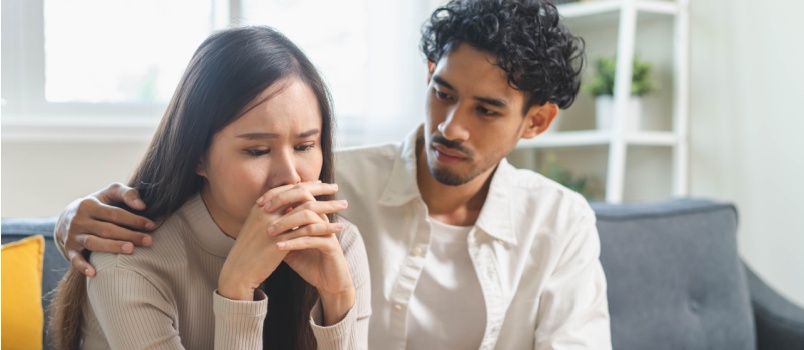
“Are you upset with me?” one partner asks… “No, I am just tired,” the other replies. Yet the silence feels heavy, and both end up carrying stress that has little to do with each other.
Anxiety has a way of sneaking into everyday moments, making small misunderstandings seem much bigger than they are. It can leave both partners feeling drained, even when love is not the problem.
Gentle relaxation techniques for anxiety can help calm racing thoughts, ease emotional tension, and create space for more patient conversations, helping couples reconnect when stress starts getting in the way.
How Does Anxiety Affect Your Relationship?
Anxiety can make everyday interactions feel much more difficult than they really are. It may lead to overthinking, constant reassurance-seeking, irritability, emotional withdrawal, or misunderstandings.
A study of 33 couples, in which one partner had an anxiety disorder, found that higher daily anxiety was linked to lower relationship quality for both partners on that same day. The findings suggest that anxiety can affect not only the person experiencing it but also the relationship as a whole.
Over time, both partners may feel unheard or exhausted, even though they care deeply about each other. Practicing relaxation techniques for anxiety can help reduce emotional tension and make it easier to communicate with patience and understanding.
Example: Imagine one partner comes home unusually quiet after a stressful day at work. The other partner worries, “Did I do something wrong?” Instead of asking directly, they become distant too.
What started as work-related stress slowly turns into an unnecessary relationship conflict, simply because anxiety changed how both partners interpreted the situation.
Please note:
Anxiety does not mean your relationship is failing. It is a challenge that many couples experience together. With honest communication, healthy coping strategies, and support when needed, it is possible to reduce anxiety’s impact and build a relationship that feels calmer, safer, and more connected.
7 Relaxation Techniques For Anxiety And Relationship Stress

When anxiety affects a relationship, it is easy to feel caught in a cycle of stress and misunderstandings. The good news is that small, consistent habits can make a meaningful difference.
These techniques help calm your body and mind so you can approach your partner with more patience, clarity, and compassion. Try them regularly rather than waiting until stress becomes overwhelming.
1. Practice deep breathing together
Sit comfortably, relax your shoulders, and breathe in slowly through your nose before exhaling gently through your mouth. These deep breathing exercises for anxiety help activate the body’s relaxation response and reduce physical signs of stress.
In a systematic review of 58 clinical studies involving 72 breathing interventions, researchers found that 54 interventions successfully reduced stress and anxiety, with the strongest results seen when breathing exercises lasted at least 5 minutes, included guided instruction, and were practiced regularly over time.
Breathing together also creates a sense of connection and teamwork. You may notice that conversations become calmer after just a few minutes. The goal is not perfect breathing but steady, comfortable breaths.
How to start
- Breathe in for four counts and out for six counts.
- Practice together for five minutes every day.
- Use this technique before discussing difficult topics.
2. Try progressive muscle relaxation
Tense one muscle group for a few seconds and then slowly release it before moving to the next area of your body. Progressive muscle relaxation for anxiety helps you notice where you are holding tension and teaches your body how to let it go.
Couples often feel more physically relaxed and emotionally present afterward. It is especially helpful after a stressful day or before bedtime. Regular practice can improve overall stress management.
How to start
- Begin with your feet and move upward gradually.
- Hold each muscle group for five seconds before relaxing.
- Keep your breathing slow throughout the exercise.
3. Use guided visualization
Close your eyes and picture a peaceful place such as a quiet beach, a forest, or a favorite vacation spot. Guided imagery for anxiety helps shift your attention away from racing thoughts and toward calming mental images.
Practicing this together can create a shared sense of comfort and relaxation. It also gives both partners a healthy way to reset before reconnecting. Even a few minutes can make a noticeable difference.
How to start
- Choose a place that feels safe and calming.
- Include details like sounds, colors, and smells.
- Spend five to ten minutes imagining the scene.
4. Practice grounding when emotions rise
When anxiety feels overwhelming, focus on what is happening around you instead of getting lost in worried thoughts. One of the simplest grounding relaxation techniques is the 5-4-3-2-1 method, which uses your senses to bring you back to the present moment.
: In a review published in the Medical Research Archives, grounding techniques were found to help regulate heart rate and breathing, reduce muscle tension, improve mood, and promote a calmer mental state, making them a useful complementary approach for managing anxiety symptoms.
This helps reduce emotional overwhelm and makes it easier to respond thoughtfully. Couples can even guide each other through the exercise. It is a practical skill during tense moments.
How to start
- Name five things you can see.
- Continue by identifying things you can touch, hear, smell, and taste.
- Practice together before trying it during stressful situations.
RELATED READING : Meditation: Fertile Ground for Wise Action in Marriage
5. Take a mindful walk together
Walking side by side while paying attention to your surroundings can calm both your mind and body. Notice your breathing, your footsteps, and the sounds around you instead of replaying stressful thoughts.
This simple activity combines movement with calming techniques for anxiety, helping partners reconnect naturally. It also creates space for conversation without the pressure of sitting face to face. Many couples find this easier than talking indoors.
How to start
- Walk at a comfortable pace without rushing.
- Keep your phones away during the walk.
- Spend a few minutes noticing your surroundings before talking.
Related Reading: https://www.marriage.com/advice/relationship/digital-detox-couples/
6. Create a calming bedtime routine
Ending the day peacefully helps your body prepare for restful sleep and reduces the stress that often carries into the next day. Gentle stretching, quiet music, reading, or slow breathing are simple relaxation therapy techniques that encourage relaxation.
Sharing a consistent evening routine can also strengthen emotional closeness. Better sleep often supports better communication and emotional regulation. Small habits repeated daily are usually more effective than occasional long sessions.
How to start
- Choose one calming activity you both enjoy.
- Keep the routine at the same time each night.
- Avoid screens for at least 30 minutes before bed.
7. Prepare a relaxation plan for stressful moments
Discuss what helps each of you feel calmer before anxiety becomes intense. Your plan might include breathing relaxation techniques, a short walk, quiet time, or supportive words from your partner.
If anxiety becomes severe, it can also include behavioral therapy techniques for anxiety attacks recommended by a mental health professional. Planning ahead reduces uncertainty and helps both partners respond with confidence instead of panic. It turns stress management into a shared effort.
How to start
- Write down three coping strategies that work for each of you.
- Agree on how you will support one another during stressful moments.
- Review and update your plan every few weeks.
Watch this TED Talk by Maya Diamond, relationship coach and psychotherapist, who shares how emotional responsiveness helps couples build stronger, healthier, and longer-lasting relationships.

How Can Relaxation Techniques For Anxiety Help Couples?
Relaxation techniques for anxiety help couples regulate stress before it turns into conflict. When anxiety is lower, it becomes easier to communicate clearly, listen with empathy, and respond thoughtfully instead of reacting impulsively. Over time, these habits can create a calmer and more supportive relationship.
Here are some ways they help:
- Reduce emotional reactivity: Calming the nervous system makes it easier to pause before responding during disagreements.
- Improve communication: Partners can express their thoughts and feelings more clearly without becoming overwhelmed by anxiety.
- Strengthen emotional connection: Feeling calmer together creates more space for affection, empathy, and understanding.
- Prevent unnecessary misunderstandings: Lower anxiety helps couples avoid assuming the worst or misreading each other’s behavior.
- Encourage healthy conflict resolution: Relaxed minds are better able to focus on finding solutions instead of winning arguments.
- Promote mutual support: Practicing relaxation together builds a sense of teamwork and reminds partners they are facing stress together, not against each other.
- Create healthier daily routines: Regular relaxation practices become shared habits that support emotional well-being and long-term relationship satisfaction.
Finding Calm
Anxiety can make even the strongest relationships feel more challenging, but it does not have to define how you connect with each other. Practicing relaxation techniques for anxiety, alongside CBT techniques for anxiety, can help both partners slow down, manage stress, and approach difficult moments with greater patience and understanding.
The key is consistency rather than perfection. Small, calming habits repeated over time can strengthen trust, improve communication, and create a relationship where both people feel safer, more supported, and better equipped to handle life’s everyday pressures together.
Helpful?
Continue exploring this topic

Marriage.com AI: Your Relationship Guide
Talk through what's on your mind.
Automated
YOU COULD START WITH
Share this article on
Marriage.com Editorial Team
Relationship & Marriage Advice
The Marriage.com Editorial Team is a group of experienced relationship writers, experts, and mental health professionals. We provide practical and research-backed advice on relationships. Our content is thoroughly reviewed by experts... Read more to ensure that we offer high-quality and reliable relationship advice. Read less
 Reviewed by
Marriage.com Community
Real people. Real relationships. No judgment.
How do you know if therapy is actually helping or if you’re just talking in circles?
Have you navigated this in your own relationship?
Your perspective could help thousands of couples.
See what people are saying
Your perspective could help thousands of couples.


Recent Articles



Related Quizzes




 We'd love your feedback!
 Thanks for your feedback!