




What Is a Lavender Marriage & How Does It Work

Reviewed By
Jennifer Schulz, LCSW
 Review Board Member
|
By
LCSW
Review Board MemberDr. Jenni Schulz is a licensed social worker with a master's degree in social work from The Ohio State University, and she earned her Doctorate of Philosophy in Psychology... Read More
Noah Williams, Author

Noah Williams is a passionate writer focusing on matters of the heart and mind. He emphasizes the importance of honesty, communication, and self-love for relationships.
Learn about Our Editorial Process
100 Reads
Updated: 28 Nov, 2025
Heal & Grow Daily for a Happier Relationship
Subscribe FREETable of Contents
View more
Key Takeaways
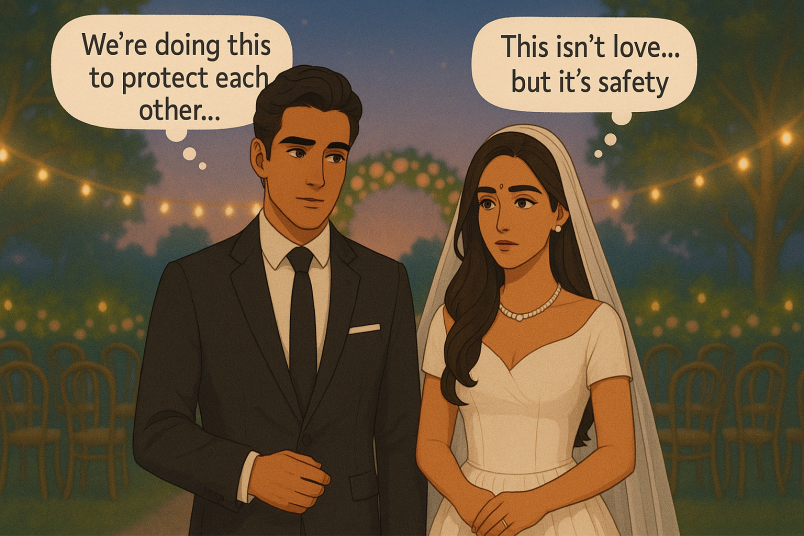
A lavender marriage can feel like one of those stories people whisper about—quiet, complicated, and full of layers.
You may wonder, Why would two people choose this?
Or what motivates them to build a life that looks traditional from the outside but protects a very personal truth within?
Sometimes, it’s about safety; other times, it’s about social pressure, companionship… or simply survival. And yes, understanding what is a lavender marriage can help you see the mix of emotions, decisions, and sacrifices behind it.
These relationships aren’t always easy, but they often reveal just how deeply people long for acceptance and peace.
What is a lavender marriage?
A lavender marriage is a union between a man and a woman where at least one partner is homosexual or bisexual, but the marriage is entered into for reasons other than romantic love.
According to Jennifer Jacobsen Schulz, LCSW:
Some couples may prefer a lavender marriage because it allows them to conform to heterosexual norms while still being respected by their partner.
This doesn’t suggest that there is anything wrong with relationships that don’t follow the heterosexual norm; it just means that some couples prefer the social benefits that come with a heterosexual marriage.
Historically, lavender marriages were orchestrated to conceal the sexual orientations of those involved due to societal pressures and a lack of acceptance.
The term ‘lavender’ reflects a mix of traditionally gender-associated colors, symbolizing the blend of appearances in these arrangements.
While lavender marriages were more common in past decades when LGBTQ+ visibility and acceptance were lower, they continue to exist for various personal and societal reasons, highlighting the complex interplay between personal identity and public perception.
How does lavender marriage work: 7 ways
When thinking about what is a lavender marriage, it is an intriguing blend of personal compromise and societal facade that continues to fascinate and challenge conventional relationship norms.
A research paper published in 2024 states that LGBTQ individuals around the world often face stigma ranging from violence to social exclusion, job denial and poor healthcare, and this stigma drives significant health and well-being inequalities.
This in-depth exploration unveils the intricate workings of these unique unions, highlighting the dynamics that enable a lavender couple to navigate their unconventional partnership.
1. Mutual understanding and agreement
A lavender marriage begins with clear communication between the parties involved. Both individuals agree to the marriage with a comprehensive understanding of each other’s sexual orientation and personal reasons behind the union.
Dr. Jenni Schulz highlights that:
This understanding doesn’t suggest that one or both partners must silence their sexual desires; it means that these desires are known and accepted while still engaged in a heterosexual marriage.
This mutual understanding is crucial as it sets the foundation for all other aspects of the relationship, ensuring that both parties have aligned expectations and respect for each other’s true selves.
It’s the bedrock that allows them to navigate their unique partnership while maintaining a united front to the outside world.
2. Providing social cover
In environments where being part of the LGBTQ+ community may lead to discrimination, a lavender marriage can serve as a protective shield, allowing individuals to conform to societal expectations without attracting undue attention.
A research paper published in The Journal of Health and Social Behavior states that social stigma and discrimination significantly harm the mental and physical health of minority groups, increasing stress, reducing support, and widening health inequalities.
This social cover can be particularly beneficial in conservative social circles, professional environments, or industries where there is a significant stigma attached to being non-heterosexual. It enables individuals to maintain their public image and personal privacy while also safeguarding their mental and emotional well-being.
RELATED READING : What Is Emotional Self-Care? Benefits & Ways to Practice
3. Easing family pressures

Many individuals face immense pressure from their families to lead a traditional life, which typically includes marrying a person of the opposite sex and raising children.
A lavender marriage can appease these family expectations, reducing stress and conflict within family relationships. It allows individuals to fulfill familial duties and maintain harmony without revealing their sexual orientation, thus navigating complex family dynamics more smoothly.
4. Accessing legal and financial benefits
Marriage comes with a host of legal and financial benefits, including tax breaks, inheritance rights, and health care benefits.
For many, knowing what is a lavender marriage is a strategic decision to access these benefits. This can be particularly important in countries or regions where legal recognition of same-sex partnerships is nonexistent or limited.
By marrying, both parties can secure their financial future and ensure that they have legal rights in matters of health, property, and decision-making.
5. Building companionship
Despite the absence of romantic love, individuals in lavender marriages often share a profound bond of friendship, respect, and mutual support. This companionship can be a significant source of comfort and stability, providing both partners with a trusted confidant and partner in navigating life’s challenges.
The relationship can offer emotional support, intellectual stimulation, and practical assistance, contributing to a fulfilling and supportive domestic life.
6. Parenting in partnership
Some individuals think what is a lavender marriage & their desire to raise children can be fulfilled or not. The answer is yes, these unions provide a stable, structured environment for doing so. The partners can co-parent, sharing the responsibilities and joys of raising children together.
This arrangement allows children to grow up in a loving, caring environment with two parents, even if the romantic element typically associated with marriage is absent. It also provides legal and social recognition for both parents, which can be crucial for child-rearing.
7. Facilitating career advancement
In certain professions or industries, being married is often perceived as a marker of stability and maturity. For individuals in such contexts, a lavender relationship can facilitate career advancement by aligning with these traditional markers of success.
This can be especially relevant in conservative sectors or in high-profile careers where public image plays a significant role. Marriage can serve as a stepping stone, enabling individuals to focus on their career growth without the personal aspects of their lives detracting from their professional achievements.
Are lavender marriages still relevant today?
Lavender marriages, once common for concealing one’s sexual orientation, retain relevance due to lingering societal stigmas.
Despite increased acceptance, the lavender marriage meaning still resonates for individuals in environments where being LGBTQ+ can hinder personal or professional lives. These marriages offer a strategic solution to navigate traditional expectations discreetly.
A research paper titled The Global Divide on Homosexuality Persists states that public opinion about homosexuality remains sharply split worldwide — acceptance is high in wealthy Western countries but very low in many parts of Africa, the Middle East and Eastern Europe.
In regions or cultures where being openly non-heterosexual poses risks, lavender marriages provide a veneer of conformity, safeguarding personal privacy while enabling individuals to maintain public personas, demonstrating their ongoing, albeit reduced, significance in contemporary society.
7 potential consequences of a lavender marriage
Lavender marriages, often formed under the weight of societal expectations, present a unique set of challenges and realities. As we delve into the nuances of these relationships, it’s crucial to understand the varied dimensions and potential repercussions they entail for those involved.
1. Emotional strain is a significant consequence
Individuals in a lavender relationship may struggle with the dichotomy between their public persona and their private truth. This disparity can lead to profound emotional distress, manifesting as anxiety, depression, or identity crises.
Over time, this continuous strain can erode one’s mental health and overall sense of well-being, making daily life a complex facade to maintain.
How to deal with it:
- Talk to a trusted therapist to process the identity conflict safely.
- Build a small support circle where you can share your truth without fear.
- Practice grounding techniques—journaling, breathing exercises, or mindfulness—to manage daily emotional stress.
RELATED READING : 5 Relationship Strategies & Techniques to Eliminate Stress
2. Relationship challenges are common
In lavender marriages, the absence of a genuine romantic bond creates a foundation of discontent and unfulfillment.
The partners in these unions, often referred to as lavender couples, might face ongoing conflicts due to the lack of intimacy and emotional connection, leading to a partnership that feels more like a convenient arrangement than a loving relationship.
How to deal with it:
- Have honest conversations with your partner about boundaries and expectations.
- Consider seeking couples counseling to navigate communication issues.
- Create separate emotional support systems so both partners feel less dependent on the marriage for fulfillment.
3. Social isolation can occur on multiple fronts
Participants in lavender marriages may find themselves caught between two worlds, fitting fully into neither. This isolation can stem from the concealment of their true selves, leading to a lack of genuine connections within both the heterosexual and LGBTQ+ communities, exacerbating feelings of loneliness and misunderstanding.
How to deal with it:
- Connect with LGBTQ+ community groups where authenticity is encouraged.
- Nurture friendships that allow you to express your true self.
- Reduce isolation slowly by sharing your situation with one safe person at a time.
4. Complicated legal situations can arise
The intricacies of lavender marriages extend into the legal domain, where the dissolution of such unions can become mired in complexity. Issues such as asset division, alimony, and custody can become battlegrounds, entwined with the added challenges of maintaining privacy and navigating societal judgment.
How to deal with it:
- Consult a family lawyer who understands non-traditional marriages.
- Organize documents—finances, assets, agreements—before conflicts arise.
- Consider creating a written mutual understanding about separation, privacy, and responsibilities.
5. Impact on children can be profound
Children raised in the shadow of a lavender marriage may encounter unique challenges, from understanding the unconventional nature of their family dynamics to dealing with external perceptions and potential stigma.
This environment can lead to confusion, emotional distress, and questions about identity and relationships.
How to deal with it:
- Provide age-appropriate honesty to help children understand family dynamics.
- Make sure they have emotional support through counseling if needed.
- Foster a stable, loving environment where they feel secure and heard.
RELATED READING : 9 Signs of Secure Attachment in Children & How to Develop
6. Financial risks are a real concern
The end of lavender marriages can unveil significant financial disputes, highlighting the complexities of intertwined lives. The division of assets, alimony, and child support can become contentious issues, reflecting the broader struggles and sacrifices made during the marriage, often compounded by the lack of legal clarity around non-traditional unions.
How to deal with it:
- Keep clear personal financial records from the beginning.
- Seek professional financial advice before separation or major decisions.
- Discuss long-term financial planning openly to avoid future conflicts.
Watch this TED Talk by Omar Durrani, a storyteller who shares how arranged marriages can grow into meaningful love through trust, respect, and mutual effort.

7. Reputation damage can be severe
The revelation of a lavender marriage can precipitate a drastic shift in how individuals are perceived socially and professionally. This exposure can dismantle personal and professional relationships, leading to a cascade of repercussions that extend beyond the immediate family to impact wider social and work circles.
How to deal with it:
- Prepare a personal narrative that feels truthful yet private for social situations.
- Lean on supportive friends or mentors if public pressure rises.
- Focus on rebuilding your identity based on authenticity, not public opinion.
FAQs
Understanding lavender marriage meaning can bring clarity to the emotional, social, and practical concerns people often have. These quick answers address the most common questions surrounding these unique unions.
-
What makes a marriage a lavender marriage?
It’s a marriage where partners, often LGBTQ+, enter the union for social acceptance rather than romantic attraction.
-
Is a lavender marriage still common today?
Yes, though less frequently, it still occurs in cultures or families where LGBTQ+ identities face stigma.
-
Can a lavender marriage be emotionally healthy?
It can be, but only when both partners communicate openly and support each other’s truth.
Behind the facade
Understanding what does a lavender marriage mean reveals the complex mix of protection, pressure, and longing that often shapes these unions. While they may offer safety or social acceptance, they can also create emotional strain, identity conflict, and distance from one’s true self.
Every individual’s experience is different, yet the common thread is a quiet search for dignity, understanding, and peace. With support, honesty, and compassion—toward oneself and others—people in these situations can navigate their paths with greater confidence and emotional clarity.
Helpful?
Continue exploring this topic

Marriage.com AI: Your Relationship Guide
Talk through what's on your mind.
Automated
YOU COULD START WITH
Share this article on
Noah Williams
Author
Noah loves to write on matters of the heart and mind. His experiences have taught him that being an honest friend who communicates well and giving importance to self-love can go a long way in maintaining loving relationships. When... Read more he’s not writing or advising people on how to thrive in their relationships, he loves exploring new places with his partner, working out, and pretending that he’s good at cooking exotic stuff. Read less

Marriage.com Community
Real people. Real relationships. No judgment.
How do you deal with family being “polite but distant” about your LGBTQ+ relationship?
Have you navigated this in your own relationship?
Your perspective could help thousands of couples.
See what people are saying
Your perspective could help thousands of couples.



Recent Articles



Related Quizzes






 We'd love your feedback!
 Thanks for your feedback!