




8 Ways ADHD Couples Therapy Can Transform Your Relationship

By
Marriage.com Editorial Team
The Marriage.com Editorial Team is a group of experienced relationship writers, experts, and mental health professionals. We provide practical and research-backed advice on relationships. Our content is thoroughly reviewed by experts to ensure that we offer high-quality and reliable relationship advice.
Learn about Our Editorial Process
100 Reads
Updated: 13 Aug, 2026

Heal & Grow Daily for a Happier Relationship
Subscribe FREETable of Contents
View more
Key Takeaways
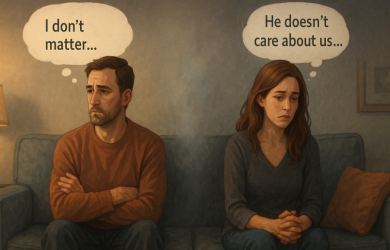
Living with ADHD in a relationship often means more than forgotten dates or misplaced keys. It can leave one partner feeling like a project manager, and the other feeling constantly criticized, even when neither of you meant for it to feel that way.
Over time, these small frictions build into real distance. If this sounds familiar, you’re not alone, and it’s not a sign your relationship is broken.
ADHD couples therapy offers a way to understand what’s actually happening beneath the surface and build tools that work for both of you. This article explores eight specific ways it can transform how you connect.
What Is ADHD Couples Therapy?
ADHD couples therapy is a form of therapy where both partners work with a therapist together, focusing on how ADHD symptoms, like forgetfulness, distraction, or impulsivity, show up in the relationship, and how the relationship dynamic can either ease or intensify those symptoms.
Rather than treating ADHD as one partner’s individual issue to manage, it looks at communication, shared responsibility, and emotional connection as part of the picture.
If you’re wondering how much a partner’s own reactions matter, research offers some insight here.
The researchers found that anxious attachment in the non-ADHD partner was tied to lower relationship quality, and it also intensified the negative effects of ADHD symptoms on the relationship.
In other words, it’s not just ADHD symptoms driving relationship strain; it is how both partners respond to those symptoms together.
Please note:
If this is the first time you’re considering therapy for this, that’s a completely reasonable place to be. Needing support with ADHD’s impact on your relationship doesn’t mean something is fundamentally wrong; it means you’re both willing to understand the patterns at play instead of just living inside them.
Common ADHD Relationship Struggles vs. How Therapy Addresses Them
Wondering if what you’re experiencing is actually ADHD-related, or just normal relationship friction? Here’s a side-by-side look at common struggles and how ADHD couples therapy helps with each.
Point of Difference ADHD-Related Struggle How ADHD Couples Therapy Helps
Forgetfulness Feels like not caring Reframed as a symptom, not a lack of love
Reminders One partner feels like "the nag" Shared systems so reminders don't fall on one person
Follow-through Missed follow-through causes resentment Structured accountability tools both partners use
Communication style Distraction during conversations feels dismissive Techniques suited to attention differences
Conflict pattern Impulsive reactions escalate conflict Tools to pause and respond instead of react
Relationship roles Non-ADHD partner feels like a manager, not a partner Responsibility rebalanced so both feel like a team
8 Ways ADHD Couples Therapy Can Transform Your Relationship

Living with ADHD in a relationship touches almost every part of daily life together, not just the big moments. Here are eight specific ways working through it with support can bring you closer instead of further apart.
1. Improves communication around ADHD-related misunderstandings
Distraction during a conversation can feel like your partner doesn’t care, even when that’s not what’s happening. ADHD relationship counseling helps both partners understand what’s actually going on beneath moments of disconnection, so conversations feel less like a test either of you is failing.
How it helps:
- Teaches the ADHD partner ways to signal when they’re struggling to focus.
- Helps the non-ADHD partner ask for what they need without it sounding like criticism.
- Creates a shared understanding of what distraction is (and isn’t) about.
2. Reduces blame and resentment tied to forgetfulness or distraction
Repeated forgetfulness can quietly build into deep resentment on one side and shame on the other. Couples therapy for ADHD works to interrupt that cycle before it hardens into a permanent pattern.
How it helps:
- Reframes forgetfulness as a symptom to work with, not a character flaw.
- Helps the non-ADHD partner separate frustration from the relationship itself.
- Reduces the shame that often keeps the ADHD partner from trying new strategies.
RELATED READING : How to Stop the Blame Game in Your Relationship
3. Builds shared systems for follow-through and responsibility
When one partner becomes the default project manager, exhaustion and resentment tend to follow close behind. ADHD marriage counseling helps both of you design systems that don’t rely on one person’s memory or willpower alone.
How it helps:
- Introduces shared tools like calendars, reminders, or check-ins both partners use.
- Redistributes responsibility so it doesn’t fall on just one person.
- Builds routines that work with ADHD, not against it.
4. Increases empathy for how ADHD affects daily life
It’s easy for a non-ADHD partner to internalize ADHD symptoms as personal, especially during a hard week. Therapy creates space for both partners to step back and see the pattern for what it is: a symptom to navigate, not a reflection of how much they’re loved.
How it helps:
- Helps the non-ADHD partner separate symptoms from intent.
- Builds mutual understanding instead of one-sided frustration.
- Reduces the tendency to take ADHD-related moments personally.
RELATED READING : How to Show Empathy in a Relationship: 15 Healthy Tips
5. Strengthens emotional connection and reduces feeling unheard
Feeling unheard is one of the most common ADHD relationship problems, often from both sides. The ADHD partner may feel constantly corrected, while the other partner feels like their concerns go unnoticed.
How it helps:
- Teaches active listening techniques suited to attention differences.
- Creates space for both partners to feel truly heard, not just managed.
- Rebuilds emotional closeness that daily friction can wear down.
6. Teaches tools to manage impulsivity in conflict
Impulsive reactions can turn small disagreements into much bigger ones, fast. This isn’t just anecdotal.
A 2021 review published in the Journal of Marital and Family Therapy found that adults with ADHD tend to report lower relationship satisfaction, along with more hostile conflict behavior and fewer constructive conflict resolution skills, compared to partners without ADHD.
Therapy targets this pattern directly, giving both partners tools to de-escalate before conflict takes over.
How it helps:
- Introduces pause-and-reflect techniques before responding in conflict.
- Helps both partners recognize early signs of escalation.
- Reduces the number of arguments that spiral beyond the original issue.
7. Rebuilds trust around consistency and follow-through
Broken promises, even small ones, chip away at trust over time. Therapy helps rebuild that trust through consistent, realistic follow-through rather than good intentions alone.
How it helps:
- Sets realistic, achievable commitments instead of overpromising.
- Builds small wins that rebuild confidence in each other over time.
- Helps both partners track progress instead of only noticing setbacks.
Watch this TED Talk by neuropsychologist David Nowell, who shares how appreciating strengths and connecting daily tasks to motivation can support loved ones with ADHD.

8. Helps both partners feel like a team again
At its core, this is what most couples are really looking for, less “managing a problem” and more “facing it together.” Rebuilding this sense of teamwork matters because conflict patterns can shift significantly once both partners understand what they’re working with.
How it helps:
- Replaces a manager-and-managed dynamic with shared responsibility.
- Reinforces that ADHD is something you navigate together, not something one partner endures.
- Rebuilds the sense of “us” that day-to-day friction can quietly erode.
FAQs
Still have questions about ADHD couples therapy? Here are answers to what people commonly ask before deciding to take that first step together.
Yes, the non-ADHD partner attending is often just as important as the ADHD partner being there. It helps them understand what's actually happening beneath the surface, and gives them tools to respond in ways that support the relationship instead of adding pressure. ADHD couples therapy focuses specifically on how ADHD symptoms, like distraction, forgetfulness, or impulsivity, show up in the relationship, and builds tools designed around those patterns. Regular couples counseling may not address these dynamics directly unless the therapist has specific experience with ADHD. Many couples notice some shifts within a few weeks to a couple of months, though this depends on the couple and how long certain patterns have been in place. Consistent practice of the tools learned in session tends to speed up progress. Medication isn't required for therapy to help, though many couples find that combining both works well. Medication can ease some ADHD symptoms directly, while therapy addresses how those symptoms play out between partners. It's common for one partner to feel more urgency about therapy than the other. Starting the conversation gently, without blame, and focusing on shared goals for the relationship often makes the other partner more open to trying it. Should the non-ADHD partner also attend therapy?
How is ADHD couples therapy different from regular couples counseling?
How long does it take to see results?
Is medication needed alongside therapy?
What if only one partner believes therapy is necessary?
Building Together
ADHD doesn’t have to define your relationship, but ignoring its impact usually doesn’t help either. ADHD couples therapy offers a way to understand what’s really happening between you and build tools that work with your dynamic, not against it, turning daily friction into moments where you actually support each other.
Many couples find that the shift isn’t about eliminating ADHD’s presence in the relationship; it’s about no longer facing it alone.
You don’t need to have every system figured out before you start. What matters is being willing to show up and try something different, together. If you’re ready to take that step, find a therapist who understands ADHD’s impact on relationships.
Helpful?
Continue exploring this topic

Marriage.com AI: Your Relationship Guide
Talk through what's on your mind.
Automated
YOU COULD START WITH
Share this article on
Marriage.com Editorial Team
Relationship & Marriage Advice
The Marriage.com Editorial Team is a group of experienced relationship writers, experts, and mental health professionals. We provide practical and research-backed advice on relationships. Our content is thoroughly reviewed by experts... Read more to ensure that we offer high-quality and reliable relationship advice. Read less
 Reviewed by
Marriage.com Community
Real people. Real relationships. No judgment.
How do you know if therapy is actually helping or if you’re just talking in circles?
Have you navigated this in your own relationship?
Your perspective could help thousands of couples.
See what people are saying
Your perspective could help thousands of couples.









 We'd love your feedback!
 Thanks for your feedback!