




11 Ways to Handle Issues of Single Parenting

By
Kaida Hollister, Author
Passionate relationship writer, Kaida Hollister, renowned for insightful and engaging writing on love, human connection, psychology, and personal growth.
Learn about Our Editorial Process
100 Reads
Updated: 4 Nov, 2025
Heal & Grow Daily for a Happier Relationship
Subscribe FREETable of Contents
View more
Key Takeaways
Marriage.com AI Quick Summary
Being a single parent can feel like juggling a hundred things at once, from morning routines to late-night worries. Some days flow smoothly; others… not so much! There’s love, exhaustion, pride, and yes, plenty of moments that test your patience and strength.
The truth is, the issues of single parenting aren’t just about responsibilities; they’re about emotions, balance, and finding your rhythm again.
Whether you’re learning to set boundaries, manage time, or simply breathe through the chaos, remember, it’s okay to take one step at a time; you’re doing better than you think!
5 common issues of single-parenting
The issues of single parenting often show up in everyday life — from managing finances to handling emotions alone. These daily issues of a single parent can feel overwhelming, yet they also reveal incredible strength, resilience, and the deep love that drives every effort to keep things together.
RELATED READING : Understanding the Dynamics of a Single Parent Family
1. Financial struggles
At the forefront of problems of single parenting, financial woes can cast a dark cloud. Single parents often find themselves with a limited income and striving to meet the needs of their children. This is one of the biggest problems single parents face in society.
- Example: “I had to choose between paying the electricity bill and buying new shoes for my child this month.”
2. Limited time
Issues of single parenting extend beyond the wallet to the clock. Single parents frequently find themselves stretched thin and wrestling with the challenges of single-parent families. Time management becomes paramount in the quest for balance amidst the problems of single parenting.
- Example: “Between work, school runs, and bedtime routines, I sometimes realize I haven’t had a moment for myself all day.”
3. Emotional toll

The emotional toll is one of the toughest issues of single parenting. Feelings of loneliness, guilt, and constant pressure can weigh heavily.
A research paper published in 2016 states that children from single-parent families may face higher risks of emotional and behavioral problems due to reduced parental support and economic stress.
These issues of being a single parent often affect both mental health and emotional connection with the child.
- Example: “There are nights when the silence feels too heavy, and I wish I had someone to share my worries with.”
RELATED READING : 7 Ways to Create a Strong Emotional Bond With Your Child
4. Role overload
Single parents carry a heavy load, with them being both the provider and the caregiver. They’re responsible for not just the financial well-being but also the emotional and physical needs of their children. This role overload can be demanding and overwhelming.
- Example: “After a full day at work, I come home to cook, help with homework, and still try to be the ‘fun’ parent.”
5. Social stigma
Is single parenting a social issue? Unfortunately, single parents sometimes face judgment and discrimination despite the challenges they are already trapped in. These stereotypes and biases can make it even harder for single parents to find support and understanding.
- Example: “People often assume I made poor choices, not realizing how strong and capable I’ve had to become.”
11 single-parenting strategies for raising healthy children
Within the domain of single parenting, where the issues of single parenting might seem insurmountable, your role as a parent becomes even more heightened. So, what are the strategies you need to raise happy and healthy children? Let’s begin our exploration.
1. Communication is key
The challenges of single-parent families can sometimes strain parent-child bonds. Talk openly with your children about the issue you face. Share and discuss the challenges you face, whether they’re financial struggles or emotional hurdles, and let your children share their concerns, too. It’s a two-way street.
How to start:
- Set aside 10–15 minutes daily for honest, distraction-free talks.
- Ask open-ended questions like, “How did you feel about today?”
- Listen without interrupting, and validate their emotions.
2. Lean on your support system
The issues of single parenting may be daunting; nevertheless, it’s important to recognize that support is available, and you don’t have to navigate these difficulties in isolation. It’s advisable to seek assistance from your support system, including family and friends, in times of need – it’s a sign of strength, not weakness.
How to start:
- Reach out to one trusted person and share what you’re struggling with.
- Join a local or online single-parent support group.
- Accept help when it’s offered, even for small tasks.
RELATED READING : 10 Lesser-Known Positive Effects of Single Parenting
3. Set a routine
Amidst the financial struggles of single parents, consistency is key. Establish a daily routine that offers a sense of stability for your children. It eases their worries by knowing what to expect. By providing structure, you reduce anxiety and ensure that they feel secure regarding the issues of single parenting.
How to start:
- Create a simple morning and bedtime schedule.
- Involve your children in planning daily tasks.
- Stick to predictable meal and homework times.
RELATED READING : 4 Ways for Better Work-life Balance for a Single Mother
4. Quality over quantity
When it comes to parenting, it’s not about endless hours but meaningful moments.
A research paper published in SSRN states that single parents often experience higher stress and financial pressure, which can affect their overall well-being and the emotional stability of their children.
One of the major issues of being a single parent is limited time — yet showing genuine attention, warmth, and presence during small interactions can make children feel deeply loved and emotionally secure.
How to start:
- Plan one meaningful activity together each week.
- Put away phones during shared time.
- Use small moments — car rides, meals — for heartfelt conversations.
5. Teach resilience
Amidst the negative effects of single parenting, teach your kids the art of resilience. Show them that life’s challenges don’t define them. They can rise above it all and come out stronger. Encourage them to face obstacles with determination, learn from their mistakes, and adapt to change.
How to start:
- Share your own stories of overcoming challenges.
- Encourage problem-solving instead of giving quick answers.
- Celebrate small wins to build their confidence.
6. Budget smartly
Combat the financial struggles of single parenting by crafting a realistic budget. Pinpoint where every dollar goes and explore ways to save. Seek financial assistance or community resources to ease the burden.
How to start:
- Track your income and expenses for one full month.
- Separate needs from wants and cut unnecessary spending.
- Explore local aid programs or online budgeting tools for single parents.
7. Time management
Effectively managing your time is the compass that can help navigate the issues of single parenting. Prioritize your daily tasks and responsibilities by focusing on what truly matters. You can create a routine that optimizes your precious hours.
How to start:
- List the top three priorities for each day.
- Use planners or mobile apps to organize tasks.
- Delegate small chores to children when possible.
RELATED READING : How to Be a Happy and Strong Single Parent
8. Self-care
Self-care is more than just relaxation — it’s a way to refill your emotional energy. For single parents, it helps reduce stress, prevents burnout, and strengthens the patience and positivity needed to handle daily challenges. Even small, consistent acts of care can make a big difference in overall well-being.
How to start:
- Schedule at least 15 minutes daily for yourself.
- Practice mindfulness or light exercise regularly.
- Connect with friends who uplift and support you.
9. Seek support
The role overload of single parenting can be overwhelming, but you don’t have to carry the burden alone. Reach out to friends, family, or support groups. They can provide a safety net, offering advice, assistance, or simply a listening ear.
How to start:
- Identify three people you trust and can lean on.
- Join a local or online single-parent community.
- Be open about your needs — asking for help is a strength, not a weakness.
10. Challenge stereotypes
Combat the social stigma. Educate others about the pros and cons of single parenting. Advocate for understanding and change. By challenging misconceptions, you can pave a smoother path through the single-parenting journey.
How to start:
- Share your story to inspire empathy and awareness.
- Speak up against unfair judgments when they arise.
- Support initiatives that promote positive single-parent narratives.
Watch this TED Talk by Becky Kennedy, a clinical psychologist, who shares how repairing mistakes and rebuilding connections are the most powerful parenting strategies.

11. Practice gratitude
Amidst the ups and downs of single parenting, taking time to notice the good moments can transform your outlook. Gratitude helps shift focus from what’s missing to what’s meaningful — your children’s laughter, your resilience, and the progress you’ve made despite the challenges. It strengthens emotional balance and nurtures positivity.
How to start:
- Write down three things you’re grateful for each night before bed.
- Encourage your children to share what made them happy that day.
- Celebrate small victories — every step forward deserves appreciation.
FAQs
Being a single parent comes with its own set of challenges, questions, and learning moments. Here are some quick answers to common concerns that single parents often face on their journey.
-
How can single parents handle stress effectively?
Focus on self-care — even small breaks matter. Exercise, deep breathing, and talking to supportive friends can help reduce stress and bring emotional balance.
-
What is the biggest challenge of single parenting?
Time and emotional balance are often the hardest. Managing everything alone can feel overwhelming, but organization and support systems make it easier.
-
How can I make my child feel secure as a single parent?
Be consistent with routines, show affection, and communicate openly. Your love and presence give your child a strong sense of stability and trust.
Strength in love
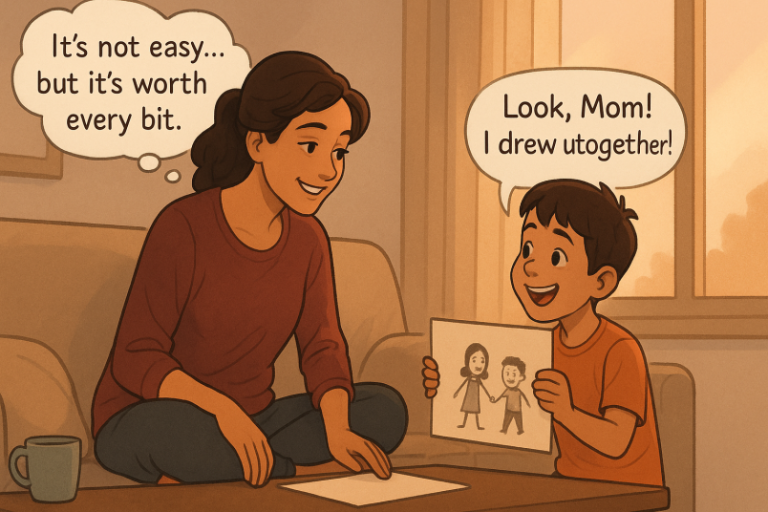
Single parenting isn’t easy, but it’s filled with moments of courage, growth, and deep connection. Despite the challenges, every effort you make — from budgeting wisely to nurturing emotional well-being — shapes a stronger bond with your child.
Remember, it’s okay to seek help, pause for self-care, and celebrate progress, no matter how small. The journey may be tough, but your resilience, love, and determination are what truly define success in parenting — and in life.
Helpful?
Share this article on
Kaida Hollister
Author
Kaida Hollister is a passionate relationship writer, renowned for her ability to shed light on the intricacies of love and human connection. With a deep understanding of psychology and personal growth, she has become known for her... Read more insightful and engaging writing on these subjects. When she’s not busy crafting thought-provoking articles, Kaida can often be found pursuing her love of dance. She is also an avid foodie and enjoys exploring new flavors and cuisines. With a curious and open-minded approach to life, Kaida is committed to helping readers deepen their understanding of themselves and their relationships. Read less
 Reviewed by
Marriage.com
Real Voices — From Our Readers & Experts
How do couples stay connected after having kids when it feels like there’s zero time or energy left?
We didn’t, at first. We were in full survival mode and honestly just trying not to snap at each other. Things slowly got better once the kids got a bit older.
Big date nights never really happened for us. Short check-ins helped more...even five minutes of actually talking without distractions mattered.
Have you navigated this in your own relationship?
Your perspective could help thousands of couples.
Join the conversation →
Your perspective could help thousands of couples.



Recent Articles



Related Quizzes









Heal & Grow Daily for a Happier, Healthier Relationship
Subscribe FREE on YouTube
 We'd love your feedback!
 Thanks for your feedback!
 Expert Q&A
Ask your question related to this topic & get the support you deserve from experts.