




8 Effects of Cheating Fathers on Daughters & How to Heal

Reviewed By
Maggie Martinez, LCSW
 Review Board Member
|
By
Licensed Clinical Social Worker
Review Board MemberMaggie enthusiastically works with people to foster self-determination and encourages them to grow in a safe therapeutic environment. She has a background in psychology and... Read More
Sylvia Smith, Author

Sylvia Smith shares insights on love revitalization and conscious living. She believes purposeful actions can transform relationships into happier, healthier ones.
Learn about Our Editorial Process
1.6k Reads
Updated: 27 Oct

Heal & Grow Daily for a Happier Relationship
Subscribe FREEAsk AI Coach
Questions about this article? Get a private answer in seconds.
In this Article
View more
Key Takeaways
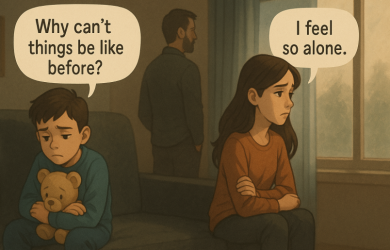
Every child deserves to grow up in a loving environment, surrounded by the warmth and love of their parents and loved ones. However, growing up with a cheating father can leave a lasting impact on a daughter’s life.
For one, it can create a warped sense of what love should be like in the mind of the girl, or the arguments that follow between her parents can cause self-esteem and depression issues within her.
If you’ve ever thought, “My dad cheated on my mom, and I’m still carrying it,” you’re not alone. Understanding the effects of cheating fathers on daughters is necessary for healing and, in some cases, reconciliation between a daughter and her father.
How a Cheating Father Affects His Daughter
A father’s infidelity can shape how a daughter sees love, trust, and her own worth. She may witness conflict, secrecy, and broken promises while still learning what healthy love looks like. Research on the effects of parental infidelity on children shows these experiences can follow her well into adulthood.
Fathers’ choices, in particular, seem to leave a mark.
In other words, what happens between parents doesn’t stay between them. Understanding them helps break the cycle.
10 Effects of Cheating Fathers on Daughters
Before plotting the path to healing and reconciliation, we must first understand how cheating fathers affect daughters. Not every daughter will experience all of these effects, and many find ways to heal over time.
Still, recognizing these patterns can help daughters make sense of their emotions, understand where certain fears come from, and begin building healthier relationships with themselves and others.
1. Emotional turmoil
This is one of the most common effects of cheating fathers on daughters. Daughters who grow up with a cheating father often experience many negative emotions as a result of their past experiences at home.
They may feel betrayed, angry, and abandoned. These emotional scars can persist into adulthood, affecting their self-esteem, mental health, and ability to trust future partners.
Much of that turmoil comes from the conflict surrounding the affair.
Rebecca Platt, David Nalbone, Gisele Casanova, and Joseph Wetchler, in a study published in The American Journal of Family Therapy, found that adult children who grew up with more parental conflict tended to have more negative views of themselves and others in their relationships.
So it’s not only the betrayal itself that hurts. The arguments, tension, and instability that often follow can shape how a daughter feels about herself for years.
Here’s what it can look like:
- Sudden anger or sadness
- Feeling abandoned or betrayed
- Difficulty calming down after conflict
2. Trust issues
Trust is the cornerstone of any healthy relationship, and a daughter of a cheating father can struggle with this fundamental aspect.
She may find it challenging to trust not only men but also her own judgment, especially as she gets older and starts venturing into romantic relationships. This can lead to difficulties in forming and maintaining close relationships throughout her life.
Here’s what it can look like:
- Doubting a partner’s honesty
- Checking for signs of betrayal
- Second-guessing her own instincts
3. Low self-esteem
A father’s infidelity can inadvertently make daughters feel inadequate or unlovable. They might blame themselves for their father’s actions, believing they were not “good enough” to prevent him from straying.
These feelings of low self-worth, if unattended, will eventually affect other aspects of their lives, including career choices, friendships, and personal development. This often shows up as harsh self-talk or a quiet belief that she has to earn love.
Here’s what it can look like:
- Harsh self-criticism
- Feeling unworthy of love
- Struggling to accept compliments
4. Relationship patterns
Daughters often learn about relationships by observing their parents. If a father cheats, it can set a negative example of what they should expect from partners.
Even if they don’t cheat themselves, one of the effects of cheating fathers on daughters is that these women might grow to tolerate infidelity or struggle to set healthy boundaries, perpetuating a cycle of mistrust in their relationships.
These patterns can quietly pass from one generation to the next.
Dana Weiser, Daniel Weigel, Camille Lalasz, and William Evans surveyed 294 participants in a study published in the Journal of Family Issues. They found that parental infidelity and the marital satisfaction of parents were both linked to whether adult children had ever cheated themselves.
Seeing these patterns clearly is often the first step toward changing them. Awareness gives daughters the chance to choose differently.
Here’s what it can look like:
- Staying with unfaithful partners
- Excusing disrespectful behavior
- Choosing emotionally unavailable partners
5. Difficulty in expressing emotions

Coping with a cheating father can lead some daughters to suppress their emotions as a defense mechanism. They may fear burdening their families with their feelings or feel ashamed of their father’s actions.
Over time, this emotional suppression can lead to mental health issues, such as anxiety or depression, and make it harder to build close, honest relationships with others.
Here’s what it can look like:
- Bottling up feelings
- Avoiding emotional conversations
- Appearing “fine” while struggling inside
RELATED READING : 16 Risk Factors for Infidelity in Relationships
6. Academic and career implications
The emotional pain caused by a cheating father can affect a daughter’s ability to concentrate on her studies or career. She might find it challenging to focus, leading to a potential decline in academic or professional performance.
This impact is often more common in younger daughters, especially when the infidelity comes to light during important school years or major family transitions.
Here’s what it can look like:
- Trouble concentrating
- Falling grades or performance
- Losing motivation
7. Self-doubt and insecurity
Daughters may battle self-doubt and insecurity due to their father’s infidelity. They might constantly seek validation and approval from others, and they may even grow up to be people pleasers.
These feelings can hinder their personal growth and ability to lead fulfilling lives, making it harder to trust their own decisions or stand up for what they truly need and deserve.
Here’s what it can look like:
- Constantly seeking reassurance
- Struggling to say no
- Fear of disappointing others
8. Impact on future relationships
As they grow older, daughters of cheating fathers may struggle to form and maintain healthy romantic relationships. They might harbor deep-seated fears of betrayal, making it challenging to fully trust and commit to a partner.
Some may avoid closeness altogether, while others hold on too tightly out of fear. This can lead to a cycle of failed relationships and emotional distress.
Here’s what it can look like:
- Fear of commitment
- Clinginess or jealousy
- Ending relationships before getting hurt
9. Feeling caught in the middle
Many daughters end up stuck between their parents after an affair. One parent may vent to her, ask her to keep secrets, or expect her to take sides. This can force her into an adult role far too early.
Feeling responsible for her mother’s pain or her father’s reputation creates guilt, confusion, and divided loyalty that can be incredibly hard to carry.
Here’s what it can look like:
- Being asked to keep secrets
- Feeling pressured to choose sides
- Comforting a parent emotionally
10. A strained relationship with her father
The affair can permanently change how a daughter sees her father. She may feel angry, disappointed, or unsure whether she can trust him again. Some daughters pull away completely, while others try to keep the relationship but feel distant.
Rebuilding that bond often takes honest conversations, accountability from the father, and plenty of time for her to work through her feelings.
Here’s what it can look like:
- Avoiding time with her father
- Feeling uncomfortable around him
- Mixed feelings of love and anger
Watch this TED Talk in which pediatrician Dr. Nadine Burke Harris explains how difficult childhood experiences can affect health and well-being across a lifetime, and why early support makes such a difference:

How to Heal From a Cheating Father: 7 Ways to Cope
Now that we have established the effects of cheating fathers on daughters, here’s how to deal with the emotional pain caused by having a cheating father. These steps can help daughters of any age, whether they’re processing the affair as children, teens, or adults.
Some can be supported by a parent, partner, or therapist, while others are personal practices that help rebuild self-worth, trust, and emotional balance over time.
1. Open and non-judgmental communication
Whether as a parent, partner, or therapist, you must understand that this subject is touchy. Hence, emotional maturity is required. When the time comes to address the elephant in the room, encourage daughters to express their feelings openly.
Let them know it’s safe to discuss their emotions and concerns without fear of judgment. Provide a listening ear and emotional support.
Yet many families avoid these conversations altogether.
A Marriage.com survey of more than 2,300 U.S. adults found that nearly 70% avoid at least one important conversation with their partner, with emotions, jealousy, and trust ranking among the most avoided topics.
When adults struggle to talk openly, children often learn to stay silent too. Creating space for honest conversations helps daughters feel heard instead of carrying their pain alone.
2. Professional counseling
The value of professional help can’t be overstated here. It’s one of the most effective ways for daughters to work through what happened. Consider seeking therapy or counseling for both the daughter and the father.
Professional help can guide daughters in processing their emotions and provide fathers with the tools needed to rebuild trust and heal the relationship over time.
RELATED READING : Relationship Counseling: What Is It and How It Helps You
3. Positive role models
To overcome what she has seen, a daughter benefits from being surrounded by positive role models, especially before she enters relationships of her own. Strong, kind, supportive role models who exemplify resilience and healthy relationships can offer steady guidance and mentorship.
They help her unlearn whatever negative beliefs she might have picked up about love and commitment from home growing up.
4. Support groups
If possible, connect daughters with support groups or communities where they can share their experiences and learn from others who have faced similar challenges.
This sense of belonging can help them get through difficult times and find the courage to change their lives for the better. Hearing others’ stories also reminds them that their feelings are valid and that healing is possible.
5. Self-care and self-esteem building
Considering that her self-esteem might have taken a beating over the years, encourage daughters to prioritize self-care and work on building their sense of self-worth. Help them recognize their intrinsic worth and value, independent of their father’s actions.
Simple practices like journaling, exercise, creative hobbies, positive self-talk, or talking with a counselor can help them reconnect with who they truly are.
6. Teach them how to set healthy boundaries
Teach daughters about setting and maintaining healthy boundaries in relationships. Empower them to assertively communicate their needs and expectations. This will help them know when to step out of a relationship and when it’s worth working through problems.
Boundaries also help them protect their emotional well-being, including in their relationship with their father. Clear limits make it easier to feel safe and respected.
7. Time and patience
Healing from the effects of a cheating father takes time. Encourage daughters to be patient with themselves and the process. Remind them that they have the strength to overcome these challenges and build fulfilling lives.
Some days will feel easier than others, and that’s normal. Progress may be slow, but every small step toward healing truly matters and deserves recognition.
FAQs
We have answered some of the most common questions about how a father’s infidelity can affect his family.
Are cheating men bad fathers?
Cheating doesn’t automatically determine someone’s parenting abilities. Not all cheating fathers are bad fathers. It depends on their actions, communication, and the effort they put into being a responsible and supportive parent.
What do I do if my father is cheating?
Your first priority is to focus on your own well-being. Practice self-care and lean on positive support so that what’s happening around you doesn’t overwhelm you inside. You can also share your feelings with your other parent, consider family counseling, and seek emotional support from trusted friends or family members.
Does cheating destroy a family?
Not always. If the parent who cheated takes responsibility and genuinely works to rebuild trust, and their partner is willing to give the relationship another chance, families can heal and move forward together.
What Are the Signs It’s Time to Seek Support
The effects of cheating fathers on daughters don’t always fade on their own. If the pain from your father’s infidelity still shapes your daily life or relationships, professional support can help. Consider reaching out if you notice:
- Persistent sadness or anger
- Ongoing trust issues
- Repeating unhealthy relationship patterns
- Difficulty expressing emotions
- Low self-worth
For Emotional Healing
The effects of cheating fathers on daughters can be far-reaching, touching everything from self-esteem to future relationships. However, those effects don’t have to define your life or your future.
With understanding, communication, and support, daughters can learn to cope with these challenges and work toward healthier, more fulfilling relationships. Therapy, honest conversations, and self-compassion can all play a very important role in that process.
Healing may take time, and it may look different for everyone. But with patience and the right support, it’s entirely possible to break old patterns, rebuild trust, and create the kind of love you truly deserve.
Helpful?
Continue exploring this topic

Marriage.com AI: Your Relationship Guide
You could start with
Share this article on
Sylvia Smith
Author
Sylvia Smith loves to share insights on how couples can revitalize their love lives in and out of the bedroom. As a writer at Marriage.com, she is a big believer in living consciously and encourages couples to adopt this principle... Read more in their lives too. Sylvia believes that every couple can transform their relationship into a happier, healthier one by taking purposeful and wholehearted action. Read less

Marriage.com Community
Real people. Real relationships. No judgment.
Can a relationship really recover after cheating, or is trust permanently broken?
Have you navigated this in your own relationship?
Your perspective could help thousands of couples.
See what people are saying
Your perspective could help thousands of couples.



Recent Articles


Related Quizzes









 We'd love your feedback!
 Thanks for your feedback!