




How to Get Over a Divorce You Didn’t Want: 10 Healing Ways

By
Marriage.com Editorial Team
The Marriage.com Editorial Team is a group of experienced relationship writers, experts, and mental health professionals. We provide practical and research-backed advice on relationships. Our content is thoroughly reviewed by experts to ensure that we offer high-quality and reliable relationship advice.
Learn about Our Editorial Process
11k Reads
Updated: 24 Oct, 2025
Heal & Grow Daily for a Happier Relationship
Subscribe FREETable of Contents
View more
Key Takeaways
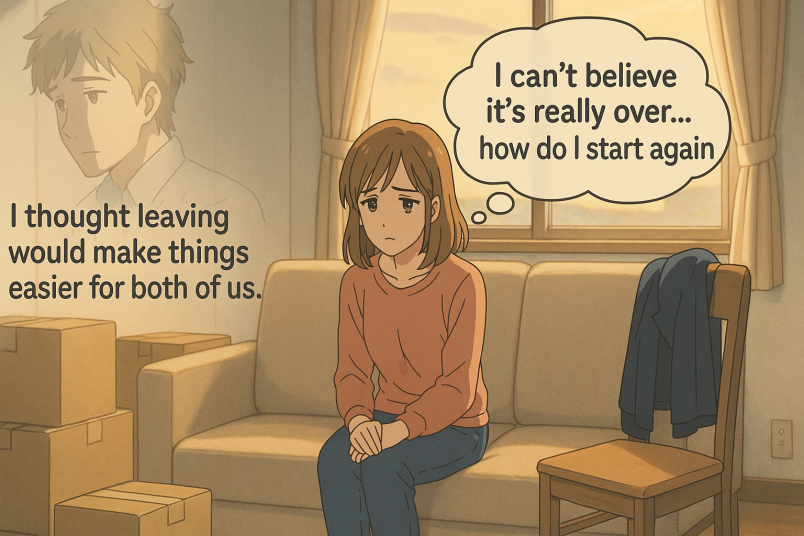
When a marriage that you never wanted to lose ends, it can feel like your world has been quietly pulled apart. You might wake up some mornings still expecting them beside you, or catch yourself reaching for your phone to share something small… only to remember.
The silence after love ends can be deafening, can’t it?
But even in heartbreak, there’s a slow, steady kind of healing waiting to unfold. It doesn’t happen overnight; it happens in tiny moments when you start believing that life can hold meaning again.
If you’ve been wondering how to get over a divorce that wasn’t your choice, it starts with grace, time, and the gentle reminder that letting go doesn’t mean you stop caring.
What is the hardest part of a divorce?
The hardest part of a divorce is often the heartbreak of letting go… letting go of a life you once knew, dreams you shared, and the future you envisioned together.
Realizing things won’t ever be the same again can cause an ache. And then there’s the fear—fear of the unknown, being alone, and starting over. The emotional rollercoaster can leave you feeling lost and unsure of yourself.
Research indicates that individuals prioritize romantic relationships during emerging adulthood, significantly impacting their well-being. Successfully managing these relationships is more closely tied to well-being than other developmental goals. However, romantic breakups often result in adverse outcomes like depression, anxiety, and low self-esteem, with distress linked to various relationship characteristics.
You might miss the comfort of familiar routines or the simple touch of a hand. It’s okay to feel this way; grieving the end of a relationship is a complex process, and it takes time to heal and rediscover yourself.
RELATED READING : How to Deal With Loneliness After Divorce or Separation
How to get over a divorce you didn’t want: 10 healing ways
Getting over a divorce you didn’t want can feel like an uphill battle, especially when your heart is still holding onto what it once was.
You might find yourself asking, “How do I get over a divorce that I never wanted?” It’s okay to feel lost and overwhelmed…
This journey is unique for everyone, and there’s no one-size-fits-all solution. But there are 10 effective steps that can help guide you toward healing and finding peace again.
1. Allow yourself to grieve
Grieving is an essential part of how to get over a divorce, especially one you didn’t want. It’s important to allow yourself to feel all the emotions that come with it—sadness, anger, confusion, and even relief.
Bottling up your feelings will only prolong your pain and make the healing process harder. Give yourself permission to cry, scream, or write down your thoughts. Remember, there’s no “right” way to grieve; it’s a personal journey that unfolds in its own time.
Here are some helpful steps you can consider:
- Write a letter to your ex that you’ll never send—it can help release bottled-up feelings.
- Give yourself “grief time” each day to cry or reflect, without judgment.
- Create a playlist that helps you process emotions rather than suppress them.
RELATED READING : How to Move on After Divorce: 13 Key Steps to Heal and Grow
2. Lean on your support system
One of the best ways to overcome a divorce is to reach out to friends and family who care about you. Your support system is there to offer comfort, lend a listening ear, or just be present with you during this difficult time.
Studies show that perceived social support partly mediates the link between the sense of loss after divorce and the psychological well-being of the individuals. For most respondents, parents, friends, and acquaintances served as their main sources of support.
Don’t hesitate to lean on them; let them know how you’re feeling. Sometimes, simply talking things out can bring clarity and relief. Surrounding yourself with people who understand can help you feel less alone and more supported.
Here are some helpful steps you can consider:
- Schedule a weekly coffee or video chat with someone you trust.
- Join a divorce support group—online or in person—for shared understanding.
- Let loved ones know specific ways they can help, like checking in or inviting you out.
3. Take care of your physical health

Your body and mind are deeply connected, so taking care of your physical health can play a big role in getting over a divorce. Try to maintain a balanced diet, get regular exercise, and ensure you’re getting enough sleep.
It might be hard at first, but taking small steps to care for yourself physically can boost your mood and energy levels. Remember, self-care isn’t just about bubble baths and face masks—it’s about nurturing your whole being, especially when you’re going through something tough.
Here are some helpful steps you can consider:
- Go for a short walk every morning to clear your mind.
- Try gentle exercises like yoga or stretching before bed.
- Keep a water bottle with you as a reminder to stay hydrated.
RELATED READING : What Is a Divorce Diet and How to Overcome It
4. Seek professional help if needed
Sometimes, getting over a divorce requires more than just leaning on friends and family. If you find that you’re struggling to cope or your emotions are overwhelming, it might be helpful to seek professional support.
A therapist or counselor can provide you with the tools and strategies you need to process your feelings in a healthy way. There’s no shame in asking for help—it’s a sign of strength and a proactive step toward healing.
Here are some helpful steps you can consider:
- Look for therapists who specialize in grief or relationship transitions.
- Try online counseling if in-person sessions feel too daunting.
- Keep a small notebook to track emotional triggers and discuss them in therapy.
5. Focus on self-discovery
Divorce can shake your sense of self, but it’s also an opportunity to rediscover who you are. This might be a good time to explore new hobbies, revisit old passions, or simply spend time alone to reflect.
Understanding who you are outside of your relationship can be empowering and is a key part of how to get over a divorce. It’s about finding joy in your own company and learning to love yourself again.
Here are some helpful steps you can consider:
- Make a “me list” of things you want to try or learn this year.
- Spend a weekend doing something you loved before marriage.
- Take personality or values quizzes to reconnect with who you are now.
RELATED READING : 5 Ways to Improve Your Self-Care During Divorce
6. Set boundaries with your ex
Setting clear boundaries with your ex is crucial when it comes to getting over a divorce. Whether it’s limiting contact or avoiding certain topics, boundaries help protect your emotional well-being.
This doesn’t mean you have to be cold or unkind; it’s about respecting yourself and the healing process. Communicate your needs clearly, and don’t be afraid to stick to them. Boundaries can help you move forward without constantly reopening old wounds.
Here are some helpful steps you can consider:
- Decide on a specific method and frequency for communication (e.g., email only).
- Avoid checking their social media profiles for updates.
- Politely but firmly end conversations that become too emotional or painful.
RELATED READING : 17 Unspoken Boundaries for Being Friends With an Ex
7. Give yourself time
Healing from a divorce is not something that happens overnight; it’s a process that unfolds gradually. It’s normal to have days where you feel okay and others where the pain is fresh again.
Be patient with yourself and understand that getting over a divorce takes time. There’s no rush to “get over it,” and it’s okay to move at your own pace. Every step forward, no matter how small, is progress.
Here are some helpful steps you can consider:
- Celebrate small milestones, like a day without tears or a good night’s sleep.
- Remind yourself that healing isn’t linear—ups and downs are part of it.
- Keep a progress journal to track emotional growth over time.
8. Avoid negative coping mechanisms
When you’re figuring out how to get over a divorce, it’s easy to fall into negative coping mechanisms like excessive drinking, overeating, or isolating yourself. While these might offer temporary relief, they can ultimately hinder your healing.
Instead, try to engage in healthier outlets such as exercise, journaling, or spending time in nature. Finding positive ways to cope can help you deal with your emotions constructively and move forward in a healthier manner.
Here are some helpful steps you can consider:
- Replace unhealthy habits with positive distractions, like reading or cooking.
- Reach out to a friend when you feel the urge to withdraw.
- Try guided meditations or relaxation apps when emotions feel overwhelming.
RELATED READING : Divorce and Mental Health: 14 Positive and Negative Effects
9. Practice mindfulness and meditation
Mindfulness and meditation can be powerful tools in the journey of getting over a divorce. These practices help you stay present and grounded, reducing anxiety about the future or regret over the past.
Even just a few minutes of mindfulness each day can make a difference. By focusing on the present moment, you can cultivate a sense of peace and acceptance, which is incredibly healing during times of distress.
Here are some helpful steps you can consider:
- Start with five minutes of deep breathing each morning.
- Try guided meditations focused on acceptance and letting go.
- Practice mindful gratitude by writing down three small joys each day.
10. Embrace new beginnings
Though it might not feel like it right now, divorce can also be a chance for new beginnings. It’s an opportunity to create a life that truly reflects who you are and what you want.
Embracing this new chapter with an open mind can be the best way to get over a divorce. As you move forward, remember that this is your chance to build a future filled with possibilities, growth, and hope.
Here are some helpful steps you can consider:
- Set one meaningful goal for the next six months that excites you.
- Meet new people through classes, volunteering, or travel.
- Keep a “new chapter” journal where you record signs of growth and hope.
How long does it take to get over a divorce?
Recovering from a divorce is a deeply personal journey, and there’s no set timeline for how long it takes. Everyone’s experience is different—some may start to feel more like themselves in a few months, while others might need years to heal.
The average time it takes to recover from a divorce can vary greatly, depending on factors like the length of the marriage, the reasons for the breakup, and each person’s emotional resilience. It’s important to remember that healing isn’t a linear process…
You might have days where you feel okay and others where the pain feels fresh again. Be gentle with yourself, and don’t rush through the emotions.
Take the time you need to grieve, grow, and find your footing. No matter how small, every step forward is part of the healing journey.
Watch this TEDx Talk where clinical psychologist Dr. Antonio Pascual-Leone discusses how to move on from an important relationship ending. He shares a 3-step process to help you deal with “emotional baggage,” “unfinished business,” and “finish the feeling:”

Can you ever truly heal from a divorce you didn’t want?
It’s a question that lingers long after the papers are signed and the silence settles in. Healing might not mean forgetting or feeling nothing, but more about finding a softer way to live with what happened.
Some days, it’ll feel like progress; others, like you’ve taken three steps back… and that’s okay. True healing isn’t about pretending it didn’t hurt; it’s about creating peace within yourself despite the hurt.
You start noticing little shifts—laughing again, sleeping better, breathing easier. It happens slowly, but it happens.
Here are a few gentle reminders that healing is real:
- You stop replaying the past as often.
- You start enjoying moments without guilt.
- You think of your ex less and yourself more.
- You make new memories that don’t ache.
- You begin to trust that love, in time, can feel safe again.
So yes, you can heal from a divorce you didn’t want. Maybe not in the way you once imagined, but in a way that lets you stand taller, love deeper, and finally feel at peace with where life has taken you.
Finding peace in your own story
Healing from a divorce you didn’t want takes time, patience, and an open heart. You might not see it now, but every tear, every quiet moment, and every small act of self-care is guiding you toward peace.
There will be days that hurt and others that remind you life still has beauty waiting.
The truth about how to get over a divorce is that it’s less about forgetting the past and more about rediscovering yourself within it. Little by little, you’ll realize—you’re not just surviving anymore… you’re learning to live again, with hope and gentle strength.
Helpful?
Continue exploring this topic

Marriage.com AI: Your Relationship Guide
Talk through what's on your mind.
Automated
YOU COULD START WITH
Share this article on
Marriage.com Editorial Team
Relationship & Marriage Advice
The Marriage.com Editorial Team is a group of experienced relationship writers, experts, and mental health professionals. We provide practical and research-backed advice on relationships. Our content is thoroughly reviewed by experts... Read more to ensure that we offer high-quality and reliable relationship advice. Read less
 Reviewed by
Marriage.com Community
Real people. Real relationships. No judgment.
How did you know divorce was the right choice and not just a reaction to a hard season?
Have you navigated this in your own relationship?
Your perspective could help thousands of couples.
See what people are saying
Your perspective could help thousands of couples.


Recent Articles


Related Quizzes







 We'd love your feedback!
 Thanks for your feedback!