




Emotional vs Physical Cheating: Therapist Explains Which One’s Worse

By
Calantha Quinlan, Author
Talented writer Calantha Quinlan explores the human experience with raw honesty and emotional depth. Covers love, relationships, personal growth, and spirituality.
Learn about Our Editorial Process
100 Reads
Updated: 22 May, 2026

Heal & Grow Daily for a Happier Relationship
Subscribe FREETable of Contents
View more
Key Takeaways
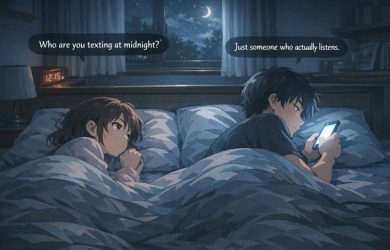
If you’ve ever felt devastated by “just texting,” late-night conversations, or your partner sharing deep feelings with someone else while insisting “nothing physical happened,” you’re not alone — and you’re not crazy for hurting.
Many people assume physical cheating is the ultimate betrayal, yet for countless couples, emotional vs physical cheating reveals a painful truth: emotional affairs often cut deeper and linger far longer, even when the relationship still looks perfect from the outside.
In this powerful podcast-style conversation from our channel, licensed relationship therapist Stefania Roberto breaks down why emotional cheating creates such lasting damage, what it actually looks like in daily life, and how couples can begin healing.
Whether you’re the one who feels betrayed, the one who crossed a line, or simply want to protect your marriage, this guide offers clarity, validation, and practical next steps.
Why emotional cheating often hurts more than physical cheating

Join millions building healthier, happier relationships.
 Subscribe
Physical cheating is usually a singular event — shocking and painful, but often contained. The betrayal happens, the immediate crisis passes, and with time and effort, many couples can move forward.
Emotional cheating, however, is a slow erosion of the very foundation of your relationship: emotional safety and exclusivity. Your partner gradually shifts their deepest thoughts, laughs, vulnerabilities, and daily energy toward someone else.
The marriage may still look intact on the surface, but inside, one partner feels quietly replaced. This ongoing nature is why emotional betrayal often creates longer-lasting anxiety, self-doubt, and insecurity than a one-time physical mistake.
Stefania Roberto explains that when emotional intimacy is shared elsewhere, the betrayed partner loses their primary safe space — the person they once turned to first for support and connection.
Emotional cheating vs physical cheating: Key differences
Understanding the core differences between emotional vs physical cheating helps remove confusion and shame:
- Physical cheating typically involves sexual or intimate physical contact. It’s often impulsive or opportunity-driven and ends as a discrete event.
- Emotional cheating involves forming a deep emotional bond with someone outside the relationship like sharing secrets, hopes, fears, inside jokes, or daily vents that once belonged only to your spouse.
Physical affairs create immediate shock, while emotional affairs create a slow, persistent ache of comparison and replacement. Many people dismiss emotional betrayal with “it was just talking,” yet the pain felt by the betrayed partner is very real because emotional connection is the heart of intimacy in marriage.
What emotional cheating actually looks like in modern relationships
Emotional affairs rarely start with dramatic declarations. They often begin innocently:
- Late-night texting or long voice notes with a coworker or friend
- Sharing personal struggles or good news with someone else before telling your spouse
- Inside jokes, memes, or flirty banter that replace meaningful conversation at home
- Hiding phone notifications or quickly flipping the screen when your partner approaches
In today’s digital world, emotional cheating can happen through constant messaging, social media interactions, or “harmless” coffee catch-ups that slowly pull emotional energy away from the marriage.
Why emotional cheating feels so devastating
The pain of emotional betrayal goes far beyond the act itself. It triggers:
- Constant self-doubt (“Am I not interesting/fun/deep enough anymore?”)
- Anxiety and hypervigilance (“Who are they texting now?”)
- Loss of emotional safety (“My partner is no longer my safe person”)
- Lingering comparison to the other person
Unlike physical cheating, which often has clear proof and a defined timeline, emotional cheating leaves the betrayed partner questioning everything without tangible evidence. This uncertainty makes healing slower and the wound feel fresher for much longer.
How emotional affairs quietly begin
Most emotional affairs don’t start with bad intentions. They often grow from:
- Feeling emotionally disconnected or unappreciated at home
- Sharing vulnerabilities during a stressful period with someone who “just gets it”
- Gradual escalation from friendly chats to deep personal sharing
The slow progression makes it easy to rationalize until the emotional bond has already shifted priorities away from the marriage.
3 key red flags of emotional cheating you can’t ignore
Stefania Roberto highlights three clear warning signs:
- Secrecy: Deleting messages, guarding the phone, or becoming defensive about innocent questions.
- Emotional priority shift: Turning to someone else first for support, celebration, or venting instead of your spouse.
- Comparison or romanticizing: Speaking highly of the other person’s understanding or ease while subtly criticizing your partner.
If you notice these patterns, it’s time for an honest conversation before the damage deepens.
Can a relationship recover from emotional cheating?
Yes, many couples not only recover but emerge stronger when both partners commit to the work. Recovery requires:
- Radical honesty: Full disclosure without minimizing what happened
- A season of transparency: Temporarily sharing passwords, phones, or locations to rebuild safety
- Intentional reconnection: Dedicated time for real conversations, date nights, and rebuilding emotional intimacy brick by brick
Healing takes patience, but with consistent effort, trust and closeness can return.
You’re not crazy for feeling this way
Stefania Roberto offers powerful validation: your pain is valid even if “nothing physical happened.” Feeling replaced, anxious, or insecure after emotional betrayal is a normal human response. Dismissing these feelings only deepens the wound. Acknowledging the hurt is the first step toward genuine healing for both partners.
FAQ: Common questions about emotional vs physical cheating
Yes, many marriages recover and become stronger through radical honesty, transparency, and intentional reconnection work. Look for secrecy, emotional priority shifts away from your spouse, and feelings of comparison or replacement. If your partner hides interactions or shares intimate details elsewhere, it has likely crossed the line. Approach the conversation calmly with specific observations. Focus on how it makes you feel rather than accusations, and seek professional support early if needed. Can a marriage survive emotional cheating?
How do I know if it’s emotional cheating or just a close friendship?
What should I do if I suspect emotional cheating?
Final thoughts: Healing after emotional vs physical cheating is possible
Emotional vs physical cheating reveals that the deepest wounds often come not from a single act, but from the quiet loss of emotional safety and connection. The good news is that with awareness, honesty, and deliberate effort, couples can rebuild trust and intimacy.
You don’t have to carry the pain alone. Understanding the difference helps you address the real issues and protect what matters most in your relationship.
If you’re navigating this pain right now, know that healing is possible. Take one brave step today — whether it’s an honest conversation or reaching out for support.
Have you experienced emotional vs physical cheating in your relationship? What helped (or is helping) you heal? Share your thoughts in the comments below — your story may give hope to someone else feeling the same way.
Your marriage deserves emotional safety and deep connection. With courage and the right tools, you can move forward together.
Helpful?
Continue exploring this topic

Marriage.com AI: Your Relationship Guide
Talk through what's on your mind.
Automated
YOU COULD START WITH
Share this article on
Calantha Quinlan
Author
Calantha Quinlan is a talented writer with a passion for exploring the depths of the human experience. Her writing is characterized by its raw honesty, emotional depth, and sensitivity to the complexities of life. Calantha’s work... Read more covers a wide range of topics, from love and relationships to personal growth and spirituality. Her writing is known for its ability to inspire readers to live more meaningful and fulfilling lives and to approach challenges with courage and grace. When she’s not writing, Calantha can be found indulging in her love for photography, capturing the beauty of the world through her lens. She also enjoys practicing yoga and meditation, which help her to stay centered and grounded in a busy world. Read less
 Reviewed by
Marriage.com Community
Real people. Real relationships. No judgment.
How do couples survive big life stress without turning on each other?
Have you navigated this in your own relationship?
Your perspective could help thousands of couples.
See what people are saying
Your perspective could help thousands of couples.






 We'd love your feedback!
 Thanks for your feedback!