




5 Conflict Resolution Techniques Every Couple Must Know

By
Draven Porter, Author
Esteemed relationship writer Draven Porter explores human connection complexities. With a psychology background, his writing offers powerful insights and thoughtful analysis.
Learn about Our Editorial Process
100 Reads
Updated: 22 May, 2026
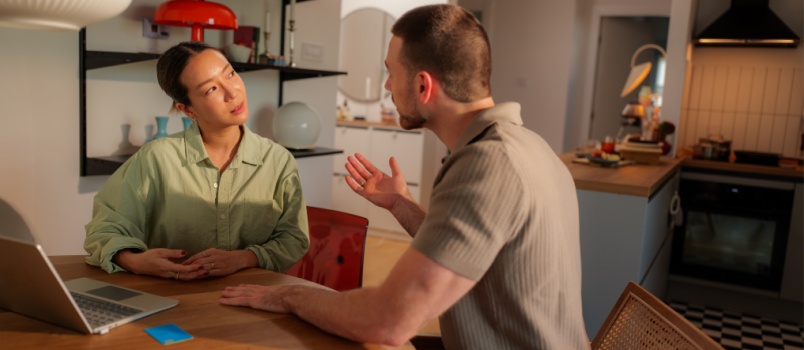
Heal & Grow Daily for a Happier Relationship
Subscribe FREETable of Contents
View more
Key Takeaways
Conflicts are normal in every relationship. Most couples do not fight too often. They simply lack healthy ways to manage disagreements when they arise. Strong conflict resolution techniques help partners express feelings clearly, repair hurt quickly, and turn tension into stronger connection.
This article covers the five most effective conflict resolution techniques every couple should practice. These methods focus on repair and understanding rather than avoiding arguments. You will find clear steps, practical examples, and simple ways to apply each technique in your daily life.
Using these conflict resolution techniques regularly improves communication and builds emotional safety in your relationship.
Why does building a culture of appreciation reduce conflict intensity

Join millions building healthier, happier relationships.
 Subscribe
Appreciation acts as an emotional buffer in relationships. When partners feel valued daily, disagreements feel less threatening and arguments become shorter and less intense.
Make appreciation a daily habit. Share one specific thing you appreciate about your partner every day. Examples include “Thank you for handling the kids this evening” or “I really liked how patient you were today.” You can do this during dinner or before sleep.
This practice reminds both of you of the positive parts of the relationship. It shifts focus from problems to teamwork. Couples who practice daily appreciation report fewer big fights because they already feel seen and respected.
Stay consistent with this habit. Notice even small efforts and express thanks regularly. Over time, this builds goodwill that softens future conflicts.
How can you create safety so your partner feels comfortable being vulnerable
Safety is essential for honest conversations. When your partner shares difficult feelings, respond with curiosity instead of criticism or defensiveness. This response helps them feel heard and encourages openness.
Use this simple phrase when your partner opens up: “Thank you for telling me that. I did not see it that way. Tell me more about it.” These words show you are listening without immediately defending yourself. They turn potential arguments into opportunities for better understanding.
Change your goal from winning the argument to learning about your partner’s experience. When both people feel safe to speak honestly, vulnerability leads to deeper closeness instead of fear.
Practice this response even during small disagreements. Consistent use builds trust and makes tough talks easier over time.
Why is it important to identify the real emotion beneath the surface argument
Most arguments hide deeper feelings. Surface complaints often cover real emotions such as fear, sadness, or feeling unimportant. For example, “You never help with chores” may actually mean “I feel overwhelmed and alone in managing the house.”
During a disagreement, pause and ask yourself: “What am I really feeling right now?” Anger is frequently a cover for fear of not being understood or fear of losing connection.
Once you name the true emotion, the argument loses much of its power. The conversation shifts from fighting against each other to working together to solve the real issue.
Train yourselves to look past the words and identify the underlying feeling. This step prevents reactive fights and helps address the actual needs in the relationship.
How does the 3 second rule help you respond instead of react during conflict
Strong emotions can make clear thinking difficult. The 3 second rule creates a short pause so you can respond thoughtfully instead of reacting emotionally.
When you feel tension rising, stop for three full seconds. Take a slow breath. Relax your body and remind yourself that this is your partner, not an opponent.
Use this pause to ask: “What do I need to understand right now?” This simple technique prevents saying words you may regret later. It keeps the conversation productive and protects the emotional safety of your relationship.
Practice the 3 second rule regularly so it becomes natural during heated moments in marriage.
Why should couples practice fast repairs instead of letting resentment build
Healthy couples argue, but they also realise importance of repairing a relationship after a fight. Fast repairs prevent small hurts from turning into long-term resentment.
Repair as soon as possible and keep it simple. You can say “I did not like how I spoke earlier” or “I got defensive. I am ready to listen now.” Other quick repairs include suggesting a short break and restart or sending a kind message like “I still love you even when we disagree.”
Even small gestures such as eye contact or a gentle touch during a difficult talk can signal care and safety. Focus on early repair rather than replaying the argument in your mind.
These quick actions teach both partners that conflict does not damage the relationship permanently. They help you return to closeness faster.
For more structured guidance on improving communication, check our marriage courses.
Common Questions About Conflict Resolution Techniques
No. The goal is not to eliminate conflict. These techniques help you manage disagreements better so you can repair faster and feel safer with each other. Many couples notice positive changes within a few weeks of regular practice. Daily appreciation and fast repairs usually create the fastest improvements. Start applying them yourself. Model calm responses, appreciation, and quick repairs. Your consistent efforts often encourage your partner to participate over time. Can these techniques completely stop arguments?
How quickly do these conflict resolution techniques show results?
What if only one partner wants to use these techniques?
Final thoughts
Every couple faces conflict, but successful relationships use effective conflict resolution techniques to handle it well. Building daily appreciation, creating safety for vulnerability, identifying real emotions, using the 3 second rule, and practicing fast repairs all help turn arguments into opportunities for growth and closeness.
Apply these five techniques consistently to improve communication and strengthen your bond. Your relationship will feel safer and more connected as a result.
Watch the full video from Marriage.com to see these conflict resolution techniques explained clearly and start using them today.
What is one conflict resolution technique you want to try in your relationship? Share your thoughts in the comments below.
Helpful?
Continue exploring this topic

Marriage.com AI: Your Relationship Guide
Talk through what's on your mind.
Automated
YOU COULD START WITH
Share this article on
Draven Porter
Author
Draven Porter is an esteemed relationship writer who delves deep into the complexities of human connection. With a background in psychology, Draven’s writing is known for its powerful insights and thoughtful analysis. When not... Read more writing, Draven can be found exploring his passion for music and attending concerts. Draven’s unique perspective on relationships is rooted in his fascination with different cultures and he enjoys immersing himself in new experiences through travel and trying out exotic cuisines. Read less
 Reviewed by
Marriage.com Community
Real people. Real relationships. No judgment.
How do I talk to my partner about something that bothers me without sounding like I’m attacking them? Every time I try, it blows up.
Have you navigated this in your own relationship?
Your perspective could help thousands of couples.
See what people are saying
Your perspective could help thousands of couples.



Recent Articles


Related Quizzes






 We'd love your feedback!
 Thanks for your feedback!