




What Does Skinny Pregnant Mean? Benefits & Challenges

By
Calantha Quinlan, Author
Talented writer Calantha Quinlan explores the human experience with raw honesty and emotional depth. Covers love, relationships, personal growth, and spirituality.
Learn about Our Editorial Process
529 Reads
Updated: 4 Nov, 2025
Heal & Grow Daily for a Happier Relationship
Subscribe FREETable of Contents
View more
Key Takeaways
Marriage.com AI Quick Summary
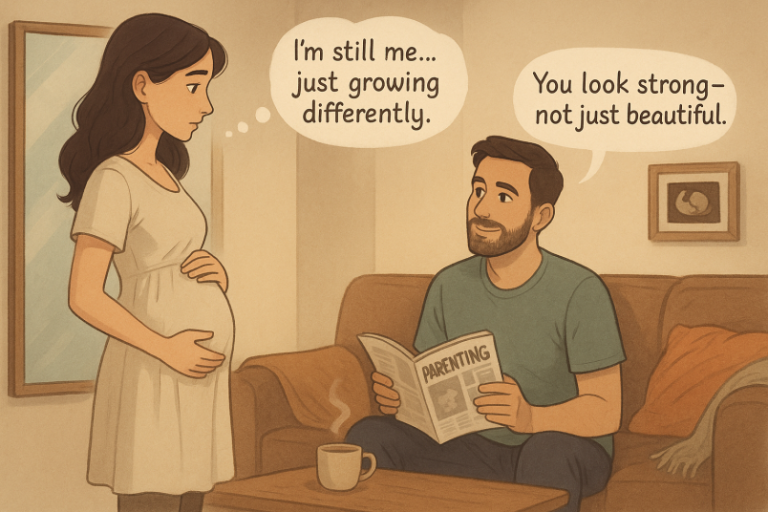
Pregnancy looks different for everyone—and for some, it comes with a smaller bump and a slender frame that sparks curiosity and comments! Being skinny pregnant doesn’t mean anything’s wrong; it simply reflects how your body naturally carries and grows.
Some women have faster metabolisms, smaller builds, or tighter abdominal muscles that make the bump appear subtler. Yet, behind that delicate look lies the same incredible strength, transformation, and love every expecting mom experiences.
Each pregnancy is its own story—filled with little surprises, sweet milestones, and the quiet power of a body creating new life in its own unique way.
What does ‘skinny pregnant’ mean?
When someone says “skinny pregnant” or “skinny and pregnant,” they’re typically referring to a pregnant person who appears to have a very slim build with little visible body fat, yet is still carrying a baby.
It’s not a formal medical term, just a descriptive way some people talk about being pregnant with a lower body-mass index (BMI) and less typical “baby bump” appearance.
A research paper published in 2022 states that women with a low pre-pregnancy body mass index (BMI < 18.5 kg/m²) are more likely to have babies who are small for gestational age or low birth weight.
Is it safe when an individual is skinny pregnant?
Being a “skinny pregnant person” or having a lower body weight when expecting is not inherently unsafe, but it does warrant careful attention to ensure a healthy pregnancy. It’s important to note that the mother’s and baby’s well-being cannot be measured solely by their weight.
Skinny pregnant women should still consult healthcare professionals to monitor their nutritional status and ensure proper fetal development. With proper care and guidance, skinny pregnant women can have safe and healthy pregnancies like individuals with different body types.
7 surprising benefits of being skinny pregnant
While being a “skinny woman pregnant” can be associated with concerns, several surprising benefits can come with this experience. It’s essential to recognize that every pregnancy is different, and what works for one may not apply to all.
Here are some unexpected advantages of being skinny during pregnancy:
1. Easier mobility
Skinny pregnant women can experience less strain on their joints and muscles due to their lower body weight, which may mean fewer adjustments. A skinny pregnancy can result in better mobility and less discomfort, making it easier to perform daily activities.
2. Reduced risk of gestational diabetes
Being skinny and pregnant can sometimes lower the risk of gestational diabetes because this condition is more common in women with higher body fat levels.
Research Highlight: A research paper published in BMC Pregnancy and Childbirth states that a higher BMI in early pregnancy is a clear risk factor for developing gestational diabetes, but the amount of BMI or weight gain before screening did not independently affect the risk.
However, every pregnancy is unique, and regular check-ups help ensure balanced nutrition and healthy weight gain for both mother and baby.
3. Lower risk of excessive weight gain
While appropriate weight gain is essential during pregnancy, being skinny pregnant can sometimes help women avoid excessive weight gain, which can be challenging to manage post-pregnancy.
This can contribute to a comfortable pregnancy journey, as it reduces the physical strain on the body, especially during the later stages of pregnancy.
- Quicker postpartum recovery
Skinny pregnant women may experience a faster postpartum recovery since they typically have fewer pounds to shed after giving birth. This can lead to a quicker return to their pre-pregnancy weight and fitness level, allowing them to enjoy more quality time with their newborns.
5. Reduced risk of certain complications
Having a skinny woman’s body and being pregnant may be associated with a lower risk of certain pregnancy complications, such as preeclampsia and cesarean section deliveries. However, it’s crucial to remember that individual health factors also play a significant role.
6. Increased comfort while sleeping

A smaller baby bump can lead to more comfortable sleeping positions for skinny pregnant women. During the later stages of pregnancy, being skinny pregnant may make it easier to get restful sleep despite expected discomfort.
7. Enhanced self-image
Some skinny pregnant women feel more confident about their body image during pregnancy. They may experience less body-related stress or anxiety than those who gain more weight. This positive self-image can contribute to overall well-being during pregnancy.
A research paper published in 2023 states that about 37.5% of pregnant women experienced anxiety, with factors like low income and unplanned pregnancies significantly increasing the likelihood of maternal anxiety.
While these surprising benefits are notable, it’s essential to remember that every pregnancy is unique, and individual health should always be the top priority.
How much weight should a skinny person gain during pregnancy?
If you’re “skinny and pregnant” (that is, you began pregnancy with a lower-than-ideal body mass index), your body needs to gain sufficient weight to support both your baby’s growth and your own health.
A research article published by the CDC, women who start pregnancy underweight (BMI < 18.5) are generally advised to gain about 28–40 pounds (12.5–18 kg) throughout pregnancy for healthy outcomes.
Below is a trimester-wise guide for weight gain—remember, individual needs vary, so your doctor should tailor this to your situation.
| Period | Approximate weight gain | Notes |
|---|---|---|
| First trimester (weeks 1–12) | ~ 1–2 kg | Early weeks often have nausea or low appetite; gentle gain is fine. |
| Second trimester (weeks 13–28) | ~ 6–8 kg (≈ 0.4–0.5 kg/week) | This is when most fetal growth happens and your bump becomes more visible. |
| Third trimester (weeks 29–birth) | ~ 4–6 kg (≈ 0.4–0.5 kg/week) | Continue steady gain; monitor closely with your provider for baby’s growth and your health. |
If you’re skinny pregnant, know that steady, mindful weight gain helps nourish both you and your baby. Always work closely with your healthcare provider to ensure you’re on the right track.
11 common challenges of pregnancy for a skinny person
While every pregnancy experience is unique, there are several specific challenges that a skinny pregnant person may encounter during this period. Below are some of the common challenges that you may experience during pregnancy:
1. Nutritional concerns
Skinny pregnant women may start with lower nutritional reserves, making focusing on a nutrient-dense diet vital. Meeting the increased calorie and nutrient requirements for the mother and the growing fetus can be challenging, potentially leading to nutritional deficiencies if not carefully managed.
How to overcome:
- Include small, frequent meals rich in protein, healthy fats, and complex carbs (like eggs, avocado, and whole grains).
- Add smoothies or shakes with nut butter and fruits to boost calories without feeling too full.
- Consult a prenatal dietitian for a customized plan to support a healthy pregnancy weight.
2. Weight gain pressure
There can be societal pressure for pregnant women to gain a specific weight. Skinny pregnant women may feel additional stress to meet these expectations, even though their bodies may naturally gain weight differently. This added pressure can lead to anxiety and body image concerns during pregnancy.
How to overcome:
- Focus on how you feel, not just the scale. Everybody gains weight differently.
- Surround yourself with positive, supportive voices—avoid comparisons with others.
- Discuss concerns openly with your healthcare provider to track progress healthily.
RELATED READING : 5 Effective Ways to Cope With Anxiety When Pregnant
3. Increased fatigue
Carrying a growing baby can be physically demanding. Skinny pregnant women may experience fatigue more intensely due to their limited body fat reserves, making it essential to prioritize rest and self-care. Ensuring sufficient rest can significantly help manage this fatigue.
How to overcome:
- Schedule short naps or breaks throughout the day to recharge.
- Stay hydrated and include iron-rich foods to fight anemia-related tiredness.
- Light exercise, like prenatal yoga or short walks, can improve energy and circulation.
4. Risk of preterm birth
Understanding this correlation between lower BMIs and preterm birth risk is essential in prenatal care to provide tailored support and interventions for women with lower BMIs, potentially mitigating the risk and promoting healthier pregnancies.
How to overcome:
- Keep up with regular prenatal checkups for early detection of risks.
- Focus on adequate nutrition and hydration, as both support fetal development.
- Avoid overexertion—balance physical activity with rest.
5. Body image concerns
Skinny pregnant women may grapple with body image issues as their bodies change during pregnancy. More commonly, they may receive unsolicited comments or concerns about their weight gain, which can negatively impact their self-esteem and emotional well-being.
How to overcome:
- Practice self-compassion and remind yourself that your body is creating life.
- Wear clothes that make you feel comfortable and confident.
- Seek emotional support or counseling if body image struggles become overwhelming.
6. Limited maternal fat stores
Skinny pregnant women typically have fewer maternal fat stores to draw upon for energy and nutrition during pregnancy. This can become a concern if morning sickness or other factors affect their eating ability, potentially requiring them to monitor their nutritional intake more closely.
Adequate nutrition remains crucial for both maternal health and fetal development.
How to overcome:
- Keep easy-to-eat snacks nearby—like nuts, yogurt, or granola bars.
- If nausea hits, opt for gentle foods like bananas, toast, or smoothies.
- Take prenatal vitamins as recommended to fill nutritional gaps.
7. Challenges with breastfeeding
After giving birth, skinny mothers may face challenges with breastfeeding. It’s essential to consult with lactation experts and healthcare providers to ensure the baby receives sufficient nourishment. Building a support network can be immensely helpful during this crucial postpartum period.
How to overcome:
- Meet with a lactation consultant to establish a feeding routine early.
- Eat calorie-dense postpartum meals and drink plenty of fluids.
- Join new-mom support groups for shared advice and reassurance.
8. Body temperature regulation
Skinny pregnant women may have difficulty regulating body temperature, which can be exacerbated during hot weather. Staying hydrated and avoiding overheating is crucial not only for the mother’s comfort but also for the overall well-being of the growing baby.
Adequate hydration and managing exposure to extreme temperatures can help ensure a smooth and healthy pregnancy experience.
How to overcome:
- Stay in cool environments and use breathable fabrics.
- Drink plenty of water throughout the day.
- Avoid direct sunlight and take cool showers when overheated.
9. Emotional stress
The added concerns and pressures of being skinny during pregnancy can contribute to emotional stress and anxiety. This heightened emotional state can impact the overall well-being of the expectant mother and potentially affect the baby’s development.
How to overcome:
- Talk openly about your emotions with your partner, doctor, or counselor.
- Practice mindfulness, deep breathing, or journaling to ease anxiety.
- Build a support network—friends, family, or online communities who understand your journey.
10. Difficulty maintaining healthy weight gain
Some women who are skinny and pregnant may struggle to gain enough weight even with consistent eating. Their fast metabolism or morning sickness can make maintaining healthy weight gain during pregnancy challenging.
How to overcome:
- Eat smaller, frequent meals throughout the day instead of three large ones.
- Add healthy calorie boosters like olive oil, nuts, seeds, and smoothies.
- Track progress with your healthcare provider to ensure safe, steady weight gain.
11. Lack of understanding from others
People who are skinny and pregnant often hear comments like “You don’t even look pregnant!” or “Are you eating enough?” Such remarks, though often well-meaning, can feel dismissive or hurtful and may cause unnecessary stress.
How to overcome:
- Remember that every pregnancy looks different—your body is doing exactly what it needs to.
- Set gentle boundaries by calmly explaining that your doctor is monitoring your health.
- Surround yourself with positive and supportive people who uplift you.
Please note:
Whether you’re skinny pregnant or simply curious about how to stay skinny while pregnant healthily, your focus should be on nourishment, rest, and emotional balance—not appearance. Every pregnancy is beautifully unique, and your worth isn’t defined by the scale.
FAQ
Pregnancy can bring up a lot of questions—especially if you’re skinny and pregnant and trying to understand what’s healthy for you and your baby. Here are a few quick answers to common concerns.
-
Can being too skinny affect my pregnancy?
Yes, starting pregnancy underweight can slightly increase the risk of low birth weight or preterm delivery, but with proper nutrition and medical care, you can still have a healthy pregnancy.
-
How can I gain weight safely during pregnancy?
Focus on nutrient-dense foods like nuts, avocados, eggs, and whole grains. Eat small, frequent meals and consult your doctor or dietitian for a personalized plan.
-
Is it normal to have a small baby bump when skinny?
Absolutely. If you’re naturally slim, your bump may look smaller, but that doesn’t necessarily mean your baby isn’t growing well. Ultrasounds and checkups track healthy development better than bump size.
Embrace your pregnancy journey
Being skinny and pregnant comes with its own set of challenges, but with the right care, nutrition, and emotional support, it can be a healthy and fulfilling journey.
Every pregnancy is unique—what matters most is nourishing your body, staying consistent with prenatal checkups, and focusing on your baby’s well-being rather than numbers on the scale.
Remember, your body is doing something extraordinary. Trust the process, listen to your doctor, and embrace each stage with kindness and confidence.
Helpful?
Share this article on
Calantha Quinlan
Author
Calantha Quinlan is a talented writer with a passion for exploring the depths of the human experience. Her writing is characterized by its raw honesty, emotional depth, and sensitivity to the complexities of life. Calantha’s work... Read more covers a wide range of topics, from love and relationships to personal growth and spirituality. Her writing is known for its ability to inspire readers to live more meaningful and fulfilling lives and to approach challenges with courage and grace. When she’s not writing, Calantha can be found indulging in her love for photography, capturing the beauty of the world through her lens. She also enjoys practicing yoga and meditation, which help her to stay centered and grounded in a busy world. Read less
 Reviewed by
Marriage.com
Real Voices — From Our Readers & Experts
I’m pregnant and feel emotional and disconnected from my partner. Is this normal or a red flag?
I felt this too and totally panicked about it. Between hormones and stress, everything felt bigger and scarier than it probably was.
It’s pretty common, but still worth talking about. I waited too long to say anything and ended up feeling really alone.
Have you navigated this in your own relationship?
Your perspective could help thousands of couples.
Join the conversation →
Your perspective could help thousands of couples.


Recent Articles


Related Quizzes









Heal & Grow Daily for a Happier, Healthier Relationship
Subscribe FREE on YouTube
 We'd love your feedback!
 Thanks for your feedback!
 Expert Q&A
Ask your question related to this topic & get the support you deserve from experts.