




23 Cold Personality Traits and How to Respond With Compassion

Reviewed By
Dionne Eleanor Reid, Coach
 Review Board Member
|
By
Coach
Review Board MemberDionne is an experienced transformational coach who has worked internationally for over 10 years. She fuses together science and ancient wellness techniques into her offerings.... Read More
Callen Winslow, Author

Callen Winslow explores relationship complexities and the human experience. Drawing on psychology, he believes in everyone's potential for growth and fulfillment.
Learn about Our Editorial Process
100 Reads
Updated: 29 Dec, 2025
Heal & Grow Daily for a Happier Relationship
Subscribe FREETable of Contents
View more
Key Takeaways
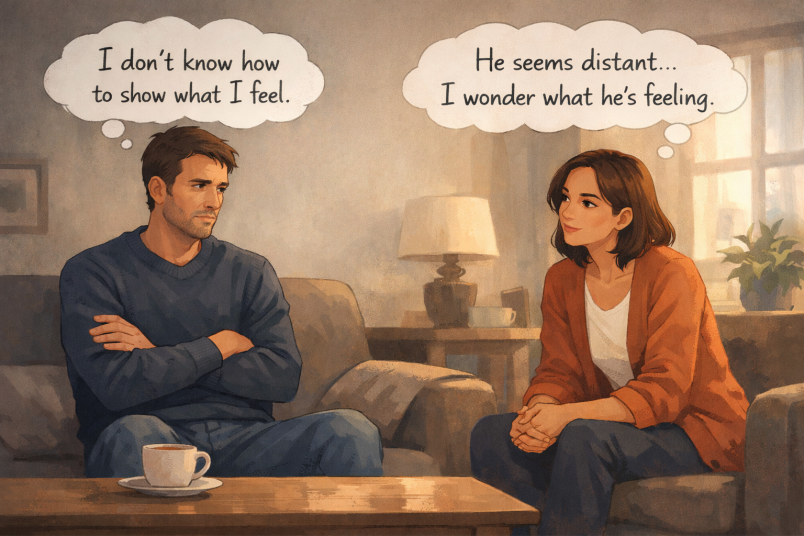
Some people don’t raise their voices, show big emotions, or open up easily… and that can feel confusing, even hurtful at times. A quiet response, distant body language, or a lack of emotional warmth often leaves others wondering what went wrong.
But emotional distance isn’t always intentional; sometimes it’s learned, protective, or deeply ingrained. Understanding cold personality traits can help make sense of these behaviors without jumping to harsh conclusions.
With patience, empathy, and a softer lens, it becomes easier to see the human side beneath the reserve. After all, everyone carries their own emotional language, shaped by experiences, boundaries, and unspoken stories… and compassion often begins there.
Who is a cold person?
A cold person, often characterized by specific cold personality traits, is someone perceived as emotionally distant and unexpressive.
According to Dionne Eleanor, Relationship & Empowerment Mentor,
People aren’t cold by nature; they are often cold because they’ve been hurt and are learning to protect themselves.
They usually come across as detached, exhibiting an indifference to social interactions and the emotions of others, a hallmark of what some might label a cold-hearted person.
A research paper published in 2024 states that when people deliberately suppress their emotional expression (holding back visible feelings) during a first-time interaction, they feel less authentic and are seen as less likable.
A cold demeanor can be mistaken for a lack of feeling, but it is more accurately a protective mechanism designed to shield them from potential emotional harm.
Example: Imagine a colleague who never reacts enthusiastically, keeps conversations brief, and doesn’t share personal stories. When something emotional happens, they stay composed and quiet, not because they don’t feel—but because that’s how they’ve learned to cope.
Please note:
A cold demeanor can be mistaken for a lack of feeling, but it is more accurately a protective mechanism designed to shield them from potential emotional harm.
23 traits of a cold person
Understanding the intricacies of a cold personality requires delving into specific behaviors and reactions that define such individuals. Recognizing these traits can illuminate the underlying cold personality meaning, enhancing our interactions with them.
Here’s a deeper look into the signs of a cold-hearted person and the various cold personality traits, enriched with examples to understand better how these characteristics manifest in real-life situations.
1. Emotionally detached
Emotionally detached individuals exhibit a significant distance from engaging with their own emotions and those of others, a key sign of a cold-hearted person.
Dionne Eleanor points out,
Emotional detachment is often a way of controlling chaos within when they fear vulnerability.
This detachment can manifest as an inability or unwillingness to connect on an emotional level.
- Example: A person rarely shows excitement or sadness during significant events. When others express feelings, this person listens but does not share their own emotions, maintaining a neutral demeanor.
RELATED READING : How You Should Invest in Emotional Intimacy: 6 Expert Tips
2. Reserved
Reserved individuals are not openly communicative about their personal lives, choosing instead to maintain a level of privacy and introspection. This trait is among the cold personality traits, marking a preference for solitude over sharing.
- Example: A member of a close-knit team at work seldom participates in social gatherings or shares personal stories, preferring to keep conversations strictly work-related.
RELATED READING : 10 Effective Techniques for Communication for Couples
3. Indifferent
Indifference is marked by a lack of interest or concern about others’ feelings, needs, or experiences, defining a core aspect of the cold person’s meaning. Such individuals seem uncaring or dismissive, appearing unengaged with the emotional states or situations of those around them.
- Example: When a colleague expresses anxiety about a presentation, the indifferent response suggests focusing on the task without acknowledging the colleague’s stress.
4. Aloofness
Aloof individuals maintain a physical or emotional distance from others, often coming across as cold or uninterested. This distance creates a barrier to social connections, a clear sign of a cold-hearted person.
- Example: At social events, an individual often stands apart from the group, engaging minimally in conversations and showing little interest, which makes others hesitant to approach.
5. Minimal emotional response
Exhibiting minimal emotional response to events that typically elicit significant reactions is a cold personality trait. It makes understanding their feelings challenging, as their reactions are subdued or nonexistent.
- Example: During a heated debate, a person remains noticeably unmoved, showing neither support nor disagreement, leaving others puzzled about their stance.
6. Self-sufficient
Self-sufficiency, preferring not to ask for help or depend on others, is a hallmark of cold personality traits. This independence signals a reluctance to open up or engage in cooperative efforts.
- Example: A person undertakes projects alone, even when collaboration could be beneficial, adhering to a principle of complete independence and turning down offers for assistance.
7. Skeptical
A general mistrust or doubt towards others’ intentions characterizes a skeptical attitude, making it difficult to form trusting relationships due to an always-guarded stance against perceived ulterior motives.
- Example: When Alex proposes a project idea, Jamie immediately questions the motives, suspecting a hidden agenda rather than taking the proposal at face value.
8. Private
Being private involves actively keeping one’s personal life, thoughts, and feelings completely under wraps, sometimes perceived as secretive or mysterious by others, and indicating a cold personality.
- Example: Despite years of working together, colleagues realize they know very little about an individual’s life outside work, as they skillfully deflect personal questions.
9. Critical

Focusing on others’ faults rather than their strengths is a critical outlook that can be demoralizing for those around, often stemming from a place of defense rather than malice, and is a sign of a cold-hearted person.
- Example: In team meetings, a person is quick to point out flaws in proposals without offering constructive feedback, focusing on negatives instead of potential solutions.
10. Controlled
Controlled individuals deliberately keep their feelings in check, rarely allowing themselves to show vulnerability or strong emotions, a trait that speaks to the core of cold personality traits.
- Example: Even in situations of personal loss or extreme joy, Robin maintains a composed exterior, discussing events without giving way to overt expressions of happiness.
RELATED READING : Why Vulnerability in Relationships Matters: 17 Benefits
11. Unapproachable
People with this trait may seem closed off, with body language and facial expressions that deter others from starting conversations. Their standoffish demeanor makes it difficult for others to feel comfortable reaching out.
- Example: At a social gathering, an unapproachable individual might stand alone, avoiding eye contact and crossing their arms, signaling to others not to approach.
12. Pragmatic
Individuals exhibiting pragmatism prioritize practical solutions and logical reasoning over emotional considerations, focusing on what is effective rather than what feels right.
- Example: When deciding on a group vacation destination, a pragmatic person would base their decision on cost, convenience, and schedule rather than the emotional appeal of the destination.
13. Impersonal
This cold personality trait involves interacting with others in a detached and formal manner, without personal warmth or emotional engagement, making relationships seem more transactional than relational.
- Example: In emails or conversations, an impersonal individual sticks to the facts, avoiding any chitchat or expressions of personal interest in the other person.
14. Inflexible
Demonstrating a lack of willingness to adapt or compromise, inflexible individuals stick rigidly to their own plans or opinions, unwilling to consider others’ perspectives or needs.
- Example: An inflexible coworker refuses to adjust their project timeline, despite knowing it would better accommodate the rest of the team.
15. Concealed vulnerability
A hallmark of a cold-hearted person is hiding personal weaknesses or insecurities, often to avoid appearing weak or vulnerable.
- Example: Despite feeling unsure and anxious about a new role, the individual projects confidence and refuses to seek help or admit their fears.
16. Selective engagement
Choosing very carefully when and with whom to interact, people with this trait engage only in conversations or relationships they find necessary or beneficial, often to maintain control over their emotional exposure.
- Example: A selectively engaging person might only participate in work-related discussions and avoid any social conversations during breaks.
17. Dispassionate
Showing a lack of enthusiasm or interest, dispassionate individuals might participate in activities or conversations but remain emotionally disengaged, contributing to the perception of cold personality traits.
- Example: Even in situations that excite most people, like a surprise party, a dispassionate individual might react with a shrug or a neutral, uninterested demeanor.
18. Guarded
Protecting personal space, information, and emotions vigilantly, guarded individuals make it clear through their actions and words that they are not open to unsolicited advice, help, or probing questions.
- Example: When asked about their weekend plans, a guarded person might reply with a vague “Not much,” even if they have specific plans they prefer to keep private.
19. Independent
Valuing self-reliance and personal freedom, independent people prefer to undertake tasks and solve problems on their own, often choosing solitary activities over group ones.
- Example: An independent individual might opt to work on a project alone rather than in a team, believing they can accomplish it faster and more efficiently by themselves.
20. Calculating
Thinking carefully about the implications of their interactions with others, calculating individuals measure their words and actions, often to protect themselves from emotional harm or to ensure they maintain the upper hand in relationships.
- Example: Before sharing personal information, a calculating person evaluates whether the potential trust built is worth the risk of vulnerability.
21. Mysterious
Individuals with cold personality traits often cultivate an air of mystery, intentionally withholding information about their thoughts, feelings, or personal lives.
This guardedness can make you think is cold personality attractive as makes it difficult for others to understand them fully, leaving much about their character and intentions to speculation.
- Example: A colleague never shares personal weekend plans or reflections on office dynamics, responding to inquiries with vague remarks or changing the subject, maintaining an elusive presence in social situations.
22. Brief communication
Those displaying cold personality traits tend to favor short, to-the-point communication.
A research paper published in Simply Psychology states that reserved personalities prefer emotional control, thoughtful communication, and deep connections, often appearing distant while still valuing relationships, trust, and meaningful interactions over constant expression.
They avoid unnecessary elaboration or emotional expression, which can make interactions with them seem abrupt or impersonal.
- Example: When asked about their opinion on a new project, a person with a cold-hearted disposition might simply say, “It’s fine as it is,” without further comment, even when more detailed feedback was sought.
23. Dismissive
A dismissive attitude is common among individuals with a cold-hearted personality. ‘
Dionne Eleanor points out,
Dismissal of others’ perspectives often stems from a lack of trust, not a lack of care.
They may quickly reject others’ ideas, feelings, or contributions without giving them proper consideration. This behavior can be perceived as lacking empathy or interest in the perspectives of others.
- Example: During a team meeting, when a colleague suggests a new approach to a problem, a person with cold personality traits might immediately say, “That won’t work,” without discussing the merits of the suggestion or offering constructive feedback.
How to deal with a cold person: 7 ways
Handling relationships with individuals who exhibit cold personality traits can be perplexing and sometimes challenging. Understanding how to deal with a cold person and reflecting on why someone might become cold-hearted are key steps in fostering healthier connections.
Here’s a detailed exploration of strategies to enhance your interactions with someone who might seem emotionally distant.
1. Respect their boundaries
Understanding and respecting the personal space and boundaries of a cold person is crucial. This means acknowledging their need for solitude or silence without taking offense.
Pushing them too hard to open up or insisting on participation can lead to withdrawal or resistance. Instead, let them know you’re there when they’re ready to engage and don’t impose expectations on the frequency or depth of interactions.
- Quick tip: Give them space without disappearing—consistency matters more than closeness.
RELATED READING : Setting Healthy Boundaries in a Relationship
2. Be patient
Patience is a virtue, especially when building a relationship with someone who is emotionally reserved. These individuals often take longer to trust and open up, displaying certain cold personality traits that necessitate a gentle approach.
Demonstrating consistent, non-invasive interest in their well-being shows that you respect their pace. Over time, this patience can lead to a more open and trusting relationship, as it allows the person to gradually become comfortable with vulnerability.
- Quick tip: Measure progress in small moments, not emotional breakthroughs.
3. Communicate clearly
Clear communication helps prevent misunderstandings that could further alienate a cold person.
Since they might not readily express their feelings or misinterpret emotional nuances, it’s important to be direct and straightforward in your interactions. This doesn’t mean being blunt or insensitive, but rather ensuring that your messages are unambiguous and considerate, facilitating easier understanding on both sides.
- Quick tip: Say what you mean calmly—don’t rely on hints or emotional cues.
4. Don’t take it personally
It’s important to remember that a cold demeanor is not a reflection of your worth or an indication of disinterest.
Often, such individuals have developed a reserved nature due to past experiences, personality traits, or protective mechanisms. This realization can be crucial for those wondering, “Why am I becoming cold-hearted?” as it highlights the external influences that shape our emotional responses.
Avoid interpreting their emotional distance as a personal slight; instead, focus on maintaining a positive, supportive stance without pushing for more intimacy than they can offer.
- Quick tip: Remind yourself, “This is their coping style, not my failure.”
5. Find common ground
Identifying shared interests or goals can serve as a neutral ground for building rapport. Whether it’s a hobby, a professional interest, or a mutual acquaintance, having something in common can make interactions more comfortable and less forced.
Engaging in activities or discussions around these shared interests can help the cold person feel more at ease, gradually opening up in a natural, unpressured way.
- Quick tip: Let shared activities do the bonding—talk can come later.
RELATED READING : 51 Hobbies for Couples to Explore and Enjoy Together
6. Offer support without intrusion
Offering support to someone who maintains emotional distance requires a delicate balance. Let them know you’re available to help or listen without making them feel obligated to accept your offer or respond in a certain way.
This could mean simply saying, “I’m here if you need me,” without pressing them to share more than they’re comfortable with. The key is to provide a sense of security and understanding without encroaching on their autonomy.
- Quick tip: Offer once, mean it, and don’t chase reassurance.
Watch this TED Talk by Billy Ward, relationship coach, who shares how vulnerability and self-awareness help give and receive love.

7. Lead by example
Sharing your own feelings and experiences openly, without expecting an immediate or equivalent response, can set a precedent for open communication. This doesn’t mean overwhelming them with personal disclosures, but rather showing that you trust them enough to be vulnerable.
A research paper published in 2016 states that people constantly influence others through their behavior, emotions, and actions, often unintentionally, making everyday conduct a powerful form of leadership and social modeling.
Over time, this can encourage a cold person to lower their guard and share more of themselves, knowing that their feelings will be met with empathy and understanding.
FAQ
Certainly! Here’s a concise exploration of the intriguing aspects of human emotions and personalities, focusing on the dynamics of cold-hearted individuals and the nature of love.
-
Can a cold-hearted person fall in love?
Yes, a cold-hearted person can fall in love. Their exterior may seem indifferent, but this doesn’t negate their capacity for deep affection.
-
Do cold-hearted people have emotions?
Absolutely. Cold-hearted people possess emotions just like anyone else. Their cool demeanor is often a protective layer or a result of past experiences, not an absence of feeling. Beneath the surface, they experience a range of emotions but may struggle to express them openly.
-
What is the difference between a warm and a cold personality?
Warm personalities are open, empathetic, and easily express their emotions, fostering connections effortlessly. Cold personalities, on the other hand, are more reserved, maintaining emotional distance and being less expressive. This contrast primarily lies in how emotions are managed and communicated, affecting interpersonal dynamics.
With compassion
Cold personality traits don’t mean someone lacks feelings or care; they often reflect learned emotional safety, boundaries, or past experiences. When approached with patience, clarity, and empathy, these traits become easier to understand and navigate.
Respecting space, communicating gently, and not personalizing emotional distance can slowly build trust over time. Everyone expresses warmth differently, and meaningful connection doesn’t always look emotional on the surface. By choosing compassion over assumptions, relationships can grow in quiet, steady ways—often deeper and more authentic than expected.
Helpful?
Continue exploring this topic

Marriage.com AI: Your Relationship Guide
Talk through what's on your mind.
Automated
YOU COULD START WITH
Share this article on
Callen Winslow
Author
Callen Winslow is a passionate writer who focuses on the complexities of relationships and the human experience. Drawing on his background in psychology, he believes that everyone has the potential for personal growth and fulfillment... Read more in their relationships. When not writing, Callen can often be found indulging his love of art and sculpture or exploring his fascination with astronomy through stargazing. Read less

Marriage.com Community
Real people. Real relationships. No judgment.
Do personality tests help couples understand each other or just put people in boxes?
Have you navigated this in your own relationship?
Your perspective could help thousands of couples.
See what people are saying
Your perspective could help thousands of couples.


Recent Articles


Related Quizzes








 We'd love your feedback!
 Thanks for your feedback!