




13 Characteristics of a Healthy Relationship

 Reviewed By
Angela Welch, LMFT
Review Board Member
|
By
Marriage & Family Therapist
Review Board MemberAngela Welch is a Licensed Marriage and Family Therapist and Licensed Chemical Dependency Counselor Intern from Valparaiso,IN. She earned her Master of Arts in Marriage and... Read More
Rachael Pace, Author

Rachael Pace inspires with motivational articles on loving partnerships. She encourages making room for love and facing challenges together.
Learn about Our Editorial Process
25.1k Reads
Updated: 4 Nov, 2025
Unlock Daily 30-Sec Tips for a Happier Relationship
👉 Subscribe FREEKey Takeaways
Marriage.com AI Quick Summary
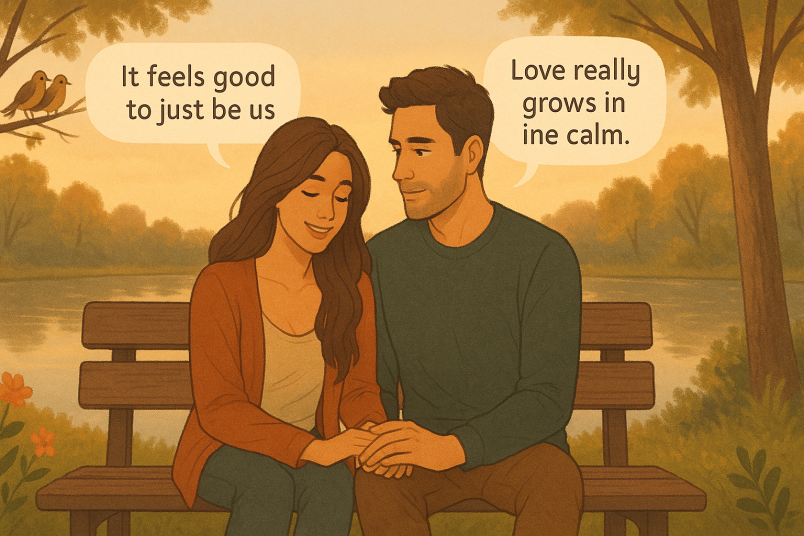
Love isn’t just about grand gestures—it’s the quiet moments, the shared laughter, the soft “I understand” after a tough day. Healthy relationships feel like home; they’re built on trust, respect, and the freedom to simply be yourself.
There are certain unspoken qualities that make two people stronger together… ones that grow deeper with time, communication, and care. These are the true characteristics of a healthy relationship—the things that turn ordinary love into something lasting, calm, and beautifully real.
What is a healthy relationship?
A healthy relationship is one where both people feel safe, respected, and supported. It’s about balance—where love doesn’t mean losing yourself, and communication feels natural, even in hard moments. Both partners listen, grow, and make space for each other’s needs without control or judgment.
A research paper published in 2023 states that when partners repeatedly engage in comforting and affectionate behaviours (like hugs, attentive listening, and supportive comments), their relationship quality improves over time—even during stressful periods.
Example: When one partner has a stressful day at work, the other doesn’t jump to fix things—they listen, offer comfort, and show understanding. Over time, these small moments form the foundation of care, trust, and calm—the real characteristics of a healthy relationship.
Please note:
And if your relationship isn’t perfect (no one’s is!), don’t worry. Growth takes time, patience, and honesty. Every step toward kindness and understanding counts more than perfection ever will.
13 characteristics of a healthy relationship
Ever wondered what truly makes love last? It’s more than chemistry—it’s care, trust, and everyday understanding. When you ask what are the characteristics of a healthy relationship, think balance, communication, respect, and shared growth that feels effortless yet deeply grounding.
1. Mutual respect
Respect is one of the most important characteristics of a healthy relationship. It is how you treat one another in your day to day life and it is a big deal. This quality in a relationship allows you to be open and honest with your mate.
Respect for your partner comprises valuing their needs, feelings, and opinions. You speak kindly to one another, support one another, build each other up, and honor boundaries.
- Example: When your partner shares a different opinion about a family decision, instead of dismissing it, you pause, listen, and genuinely consider their point of view—showing respect through understanding, not just agreement.
2. Spending time together
When you have free time, you look for ways to spend it with your mate. You are eager and open to doing things that you enjoy as well as tending to your own hobbies.
A research paper published in 2000 states that couples who regularly participate in novel and exciting activities together experience higher relationship quality compared to those doing mundane tasks
The time spent alone together as a couple bonds you, builds self-esteem, and brings you closer.
- Example: After a long workweek, instead of scrolling through your phones separately, you plan a simple movie night with popcorn—just being together makes the stress fade away.
RELATED READING : Making Time For You And Your Spouse
3. Open communication
Communication is key to healthy relationships. You get to know one another by talking, and the more you talk, the more you learn. This is even true of couples who have been together for many years.
Great communication allows you to talk about silly or funny things, personal memories or goals and allows your disagreements to be resolved quickly and with mutual respect.
- Example: After a long workweek, instead of scrolling through your phones separately, you plan a simple movie night with popcorn—just being together makes the stress fade away.
4. Sexual compatibility
Sexual compatibility is a very important characteristic of a healthy relationship. This is because sexuality is inherently a big deal in most relationships. It goes without saying that a couple should have fantastic sexual chemistry inside and outside of the bedroom to start with.
- Example: You and your partner discuss what feels good and what doesn’t, laughing through awkwardness and staying honest so both feel seen, safe, and satisfied.
RELATED READING : 22 Experts Share Tips on Dealing With Sexual Incompatibility
5. Support

Couples who support one another show that they are confident in their relationship and give their partners the freedom to be themselves and follow their dreams. Support is also essential during the hard times that every relationship inevitably hits.
Giving your partner a shoulder to cry on and celebrating life’s little victories will go a long way in making both spouses happy and content in the relationship.
- Example: When your partner talks about pursuing a new job, you cheer them on, help review their résumé, and remind them they’re capable—even when they doubt it.
6. Trust
Trust is a slippery slope in relationships. It’s difficult to get and nearly impossible to gain back once it is lost.Breaking trust can change your partner’s personality and their behavior towards you.
When you are in a relationship, you want to be with someone who will keep your secrets, always be honest with you, have your back, and never betray you. When you trust someone, you know they are reliable. You can count on them.
Couples who share mutual trust feel safer both emotionally and physically in their relationship.
- Example: You feel comfortable sharing your insecurities, knowing your partner won’t use them against you or judge—they protect your heart, even in disagreement.
7. Confidence
Confidence in your relationship is the key. Both parties should be crystal clear about how the other one feels about them. This will make them feel secure in the relationship, physically and mentally desirable, and promote trust and bonding.
Having confidence in your relationship will also allow you to solve problems and communicate better since there is never any fear that your partner will end the relationship just because of a fight.
- Example: Even during arguments, you don’t worry about breaking up; you both know the bond is strong enough to handle tough days with honesty and care.
RELATED READING : Compare No More: Building Confidence in Your Marriage
8. You like each other
It might seem obvious, but many couples love each other without truly liking one another. You might admire your partner’s qualities yet not enjoy their personality or company.
In a healthy relationship, you both genuinely like and love each other—choosing each other first, whether for deep talks or simple, everyday moments together.
- Example: You still crack inside jokes, tease each other playfully, and genuinely enjoy each other’s company—even doing mundane things like grocery shopping together.
9. Honesty
In order to have an open, trusting relationship, both parties need to practice honesty.
Have an open and honest discussion about subjects that are hard, such as sexual dissatisfaction, life goals, and potential boredom or thoughts of infidelity.
These aren’t easy subjects to broach with someone you love, but consistent honesty will bond you closer together and give you comfort in knowing neither you nor your partner will have to worry about the other breaking their trust.
- Example: When you’re unhappy about something, you share it kindly but openly—because honesty in love builds trust, not walls.
10. Maintaining individuality
If you dig your partner so much that you want to do absolutely everything with them, that’s great. But it’s equally important for you to maintain your individuality in a relationship.
This healthy relationship characteristic will ensure that both mates continue to nurture their other relationships, such as those with friends and family. This will give both a diverse and fulfilling social life.
- Example: You spend the afternoon at a pottery class while your partner meets friends for a hike—both return home refreshed, ready to share stories from your day apart.
Watch this TED Talk by Joanne Davila, a clinical psychologist, who shares three evidence-based skills—insight, mutuality, and emotion regulation—to build healthier romantic relationships.

11. Emotional safety
Feeling emotionally safe means you can express your thoughts, fears, and feelings without worrying about being judged or ridiculed. It’s knowing your partner will listen with empathy, not defensiveness. Emotional safety builds trust and closeness, making it easier to resolve conflicts and grow together.
- Example: When you admit you’re feeling insecure, your partner doesn’t dismiss it—they listen, reassure you, and remind you that your feelings matter.
RELATED READING : 6 Tips for Building Emotional Safety in Your Relationship
12. Shared values and goals
While differences keep things interesting, having shared values—like honesty, family priorities, or personal growth—creates a strong foundation for long-term harmony. Couples who align on what truly matters find it easier to make decisions and stay united through life’s changes.
- Example: You both value kindness and respect, so even when you disagree, you never resort to harsh words—you focus on solving, not winning.
13. Forgiveness and letting go
No relationship is perfect, and holding onto grudges only builds walls. Learning to forgive—your partner and yourself—helps heal emotional wounds and strengthens your bond. Forgiveness isn’t forgetting; it’s choosing peace over pride.
- Example: After a heated argument, instead of replaying the hurtful words, you talk, apologize sincerely, and move forward with understanding.
FAQ
Relationships—romantic, friendly, or social—thrive on balance, respect, and genuine care. Here are some quick answers to common questions about what makes relationships healthy and lasting.
-
What defines a truly healthy relationship?
A healthy relationship is built on trust, respect, and communication where both people feel valued and supported. It’s about growing together without losing individuality.
-
How can couples strengthen their emotional bond?
Spending quality time, practicing empathy, and communicating openly help couples deepen their connection. Small acts of care and understanding go a long way in keeping love strong.
-
Which characteristic is a sign of healthy peer relationships?
Mutual respect is a clear sign of healthy peer relationships—it allows individuals to value each other’s feelings, boundaries, and opinions, creating a safe and supportive connection.
Lasting love
Healthy relationships aren’t built overnight—they grow through patience, trust, and everyday effort. When both partners communicate openly, respect each other’s boundaries, and celebrate small moments of joy, love naturally deepens.
The true beauty lies in showing up for one another, even when things get hard. Remember, the characteristics of a healthy relationship aren’t about perfection—they’re about choosing kindness, understanding, and teamwork every single day. Love thrives where two people feel safe to be their real selves, together.
Did you find this article helpful?

 Expert Q&A
How do you build trust?


Jennifer Jacobsen Schulz
Licensed Clinical Social Worker
Expert Answer
Building trust takes time. It requires ongoing open communication and consistent behaviors. You should regularly talk with your partner about what they need from you to build trust and vice versa. If you're struggling to trust your partner, look at the signs they are trustworthy. Do they consistently show up for you? Do they follow through with what they say they'll do? If they're consistent and you still struggle to trust, it may be time to see a counselor or therapist.
 Thanks! We'll do our best to answer your question and post it above.
 Tips
Tips
Write your tip or submit a video tip
All tips are reviewed before the publishing.
You are:

 >
>
Share this article on
Rachael Pace
Author
Rachael Pace is a noted relationship writer associated with Marriage.com. She provides inspiration, support, and empowerment in the form of motivational articles and essays. Rachael enjoys studying the evolution of loving partnerships... Read more and is passionate about writing on them. She believes that everyone should make room for love in their lives and encourages couples to work on overcoming their challenges together. Read less
Want to have a happier, healthier marriage?
If you feel disconnected or frustrated about the state of your marriage but want to avoid separation and/or divorce, the marriage.com course meant for married couples is an excellent resource to help you overcome the most challenging aspects of being married.


Recent Articles


Related Quizzes









Unlock Daily 30-Sec Tips for a Happier, Healthier Relationship
👉 Subscribe FREE on YouTube
 We'd love your feedback!
Expert Q&A
We'd love your feedback!
Expert Q&A
Ask your question related to this topic & get the support you deserve from experts.